盡管未來的卡車動力電池技術(shù)尚待摸索,但瑞典卡車制造商沃爾沃已經(jīng)選定NCA鋰離子電池作為其發(fā)展路線,因為NCA具有極高的能量密度。
在戴姆勒卡車、帕卡和康明斯Accelera正與技術(shù)合作伙伴億緯鋰能開發(fā)磷酸鐵鋰(LFP)電池之際,沃爾沃卡車卻在開發(fā)鋰鎳鈷氧化鋁(NCA)正極材料的鋰離子電池。這家發(fā)端于瑞典的卡車制造商一直致力于探索與眾不同的電池技術(shù)。
“就在三五年前,LFP電池還不成氣候。但是自那以后,LFP有了許多新進展,改善了許多問題,很有可能在未來成為一種合適的解決方案,”沃爾沃集團電動交通技術(shù)高級副總裁Peter Granqvist在2023年底位于瑞典哥德堡的公司總部舉行的媒體活動上表示。“目前我們沒有選擇這一發(fā)展路線,但我不會排除任何可能性。”Granqvist表示,將來市場上可能會出現(xiàn)多種電池技術(shù)共存的局面,這取決于廠家更重視哪些優(yōu)勢和具體汽車應(yīng)用的需求。
三星SDI是沃爾沃卡車的主要電池供應(yīng)商,其供應(yīng)的NCA電池具有高能量密度——這是沃爾沃卡車的優(yōu)先考慮因素,同時它也具有強大的快速充電能力。三星SDI稱通過加入鋁,提高了電池功率,同時通過減少鈷的用量,使正極中的鎳含量高達80%以上,從而使電池更具成本優(yōu)勢。
沃爾沃卡車還選擇了鎳錳鈷(NMC)鋰離子電池作為儲能電池。此外,沃爾沃卡車還表示,鋰硫(Li-S)電池因具備較高的比能量而頗具潛力。Li-S電池的比能量高達500 Wh/kg,大約是鋰離子電池的兩倍。同樣,固態(tài)電池也在其考慮之中。
沃爾沃卡車計劃于2040年前實現(xiàn)化石燃料的全面禁用。其短期目標是到2030年實現(xiàn)零排放車輛占其全球銷量的50%(約75,000輛)。為實現(xiàn)這一宏偉目標,這家OEM選擇純電動卡車作為其主要的技術(shù)路徑。
“我們預(yù)見到這種產(chǎn)品將在未來擁有最大的市場份額。原因很簡單,因為它效率最高,”沃爾沃卡車產(chǎn)品管理和可持續(xù)發(fā)展高級副總裁Jessica Sandström在哥德堡的媒體活動上表示。
2024年,沃爾沃卡車將在瑞典馬里斯塔德開始建設(shè)其首個電池制造工廠,因為該地區(qū)的綠色能源供應(yīng)較為充足。Sandström表示,電池生產(chǎn)是一種能源密集型工藝。“如果我們要打造一輛凈零排放卡車,這意味著卡車中的所有組件也應(yīng)該是凈零排放的。”
馬里斯塔德工廠預(yù)計將于2028年啟動生產(chǎn),并在2029年逐步擴大到全規(guī)模生產(chǎn)。該工廠生產(chǎn)的電池(每年最高30萬噸)將用于沃爾沃集團的各類產(chǎn)品,包括卡車、公交車、工程設(shè)備以及海事和工業(yè)應(yīng)用。
沃爾沃集團在比利時根特擁有自己的電池組裝廠。在那里,由三星SDI供應(yīng)的電池單體和模塊被組裝成沃爾沃FH、沃爾沃FM和沃爾沃FMX重型卡車的電池組。到2025年,根特工廠將開始生產(chǎn)電池模塊。一開始,該電池模塊生產(chǎn)線將使用來自合作伙伴的電池單體,最終將使用沃爾沃瑞典工廠生產(chǎn)的電池單體。
Granqvist承認,沃爾沃的工程師正努力在快速發(fā)展的電池領(lǐng)域中邊摸索邊前進。“我們已經(jīng)習(xí)慣了比這個行業(yè)長得多的開發(fā)周期。現(xiàn)在,我們幾乎每個月都要關(guān)注新出現(xiàn)的公司,看誰能在這些地區(qū)生產(chǎn),是否能提供更長的續(xù)航里程,是否更安全,是否能減少更多重量。這是一個不斷迭代的過程,然后我們需要在安全、堅固和穩(wěn)健的產(chǎn)品與性能更強的產(chǎn)品之間找到平衡……我們不知道未來會怎樣,但我們正在努力探索這一領(lǐng)域。”
While Daimler Truck, Paccar and Accelera by Cummins are pursuing lithium iron phosphate (LFP) battery cells with technology partner EVE Energy, Volvo Trucks employs lithium-ion batteries in which lithium nickel cobalt aluminum oxide (NCA) is used as the cathode – for now anyway. The Swedish truck maker is continuously exploring other battery technologies.
“If you look back at least three years, maybe five years, LFP was not really on the map. There has come some new evolvement on LFP which would make it better in many ways, [improved] things that were problematic with it before. It might very well be a solution in the future,” Peter Granqvist, senior vice president of Volvo Group electromobility technology, said at a media event at the company’s headquarters in Gothenburg, Sweden, in late 2023. “Right now, we are not on that path, but I’m not excluding anything.” Granqvist said it’s possible multiple chemistries will prevail, based on the benefits being prioritized and the needs of the specific vehicle application.
Samsung SDI is the main supplier for Volvo’s batteries. NCA delivers high energy density – a priority for Volvo Trucks – as well as extremely good fast-charging capability. Aluminum increases the power of a battery, Samsung SDI states, and the high nickel content (more than 80%) of its cathode reportedly makes the batteries more cost-competitive by reducing the amount of cobalt.
Volvo’s trucks have also employed NMC (nickel manganese cobalt) Li-ion batteries for energy storage. The truck maker states that lithium-sulfur (Li-S) batteries show potential due to their high specific energy. Li-S offers specific energies upward of 500 Wh/kg, about double that of lithium-ion batteries. Solid-state batteries also are on the table.
Volvo Trucks’ target is to be completely fossil-free by 2040. In the near term, the truck maker is targeting 50% of its global sales – approximately 75,000 units – to be zero-emission by 2030. Battery-electric trucks will be the OEM’s main technology path to achieve this aggressive target.
“That is the product we foresee will have the largest volume over time. It is because it’s simply the most efficient solution,” Jessica Sandström, senior vice president, product management and sustainability at Volvo Trucks, said in Gothenburg.
In 2024, Volvo Trucks will begin building its first battery manufacturing plant, located in Mariestad, Sweden, where green energy currently is more plentiful. Battery production is an energy-intense process, Sandström said. “If we are going to have a net-zero truck, it also means that all components going into the truck should be net-zero.”
Production in Mariestad is expected to begin in 2028, with a ramp-up to full-scale production during 2029. Battery cells produced at the plant (up to 300,000 tons per year) will be used across Volvo Group product categories, including trucks, buses, construction equipment and marine and industrial applications.
Volvo Group has its own battery assembly plant in Ghent, Belgium, where cells and modules from Samsung SDI are assembled into battery packs for the Volvo FH, Volvo FM and Volvo FMX heavy-duty trucks. In 2025, the Ghent plant will begin to produce battery modules. The battery-module manufacturing line will be able to use battery cells both from partners and, eventually, from Volvo’s plant in Sweden.
Granqvist admitted that Volvo engineers are learning as they go in the quickly evolving battery-technology landscape. “We are used to development cycles that are much, much longer than what this industry is evolving. We are almost on a monthly basis reviewing what new players are out there, who can produce in these regions, can they get more range, is this safer, can it be lighter. It’s a continuous iteration,” he said. “And then it’s a balance between having something that is safe, solid and robust versus something that is stretching in terms of the performance ... We don’t know [what the future holds] but we are trying hard to understand.”

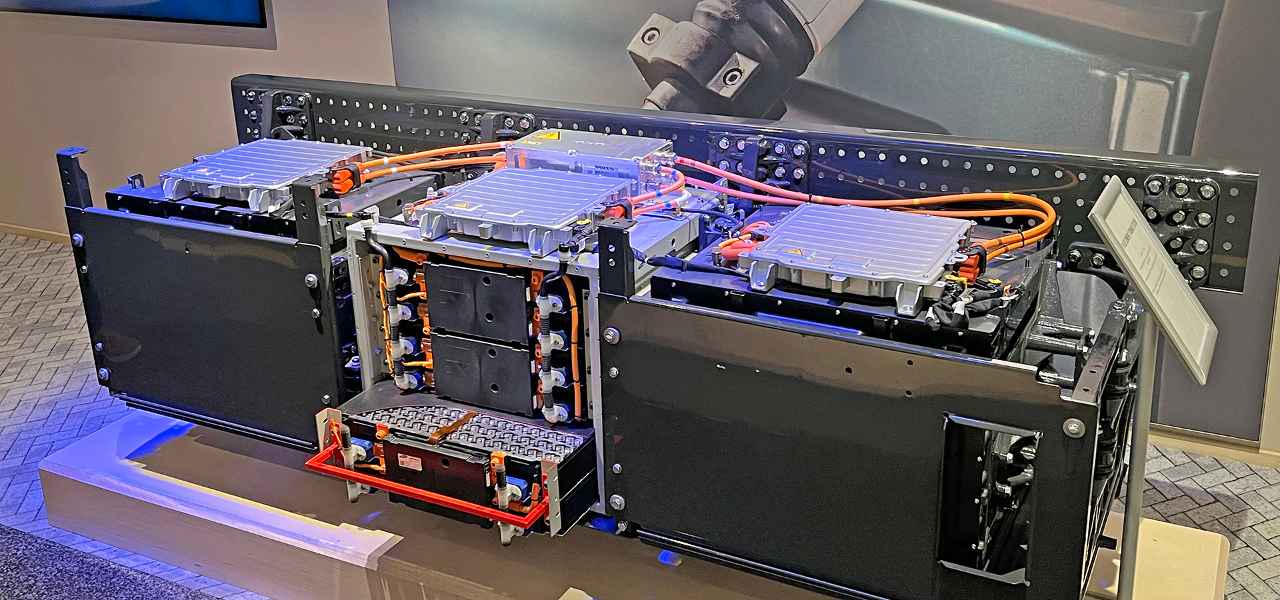 沃爾沃的儲能系統(tǒng)包含三個電池組,每個電池組的容量為90 kWh。根據(jù)具體的續(xù)航和載重需求,客戶可以在一輛卡車中配置最多六個電池組(共540 kWh)。(Ryan Gehm)
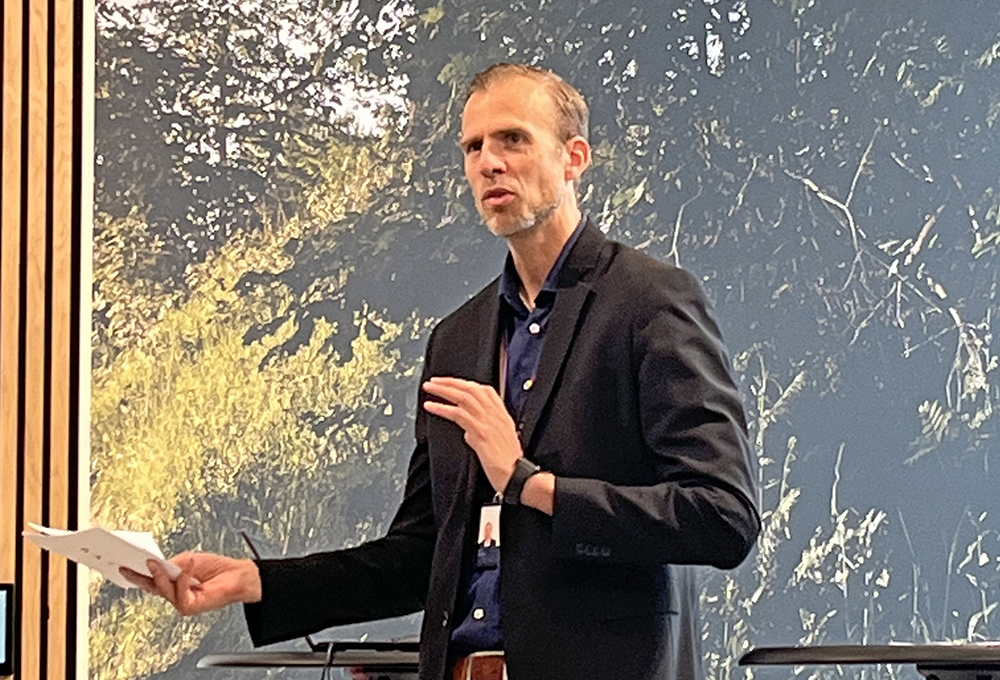 沃爾沃集團電動交通技術(shù)高級副總裁Peter Granqvist說,在電池化學(xué)成分方面,他 “不排斥任何東西”。(Ryan Gehm)
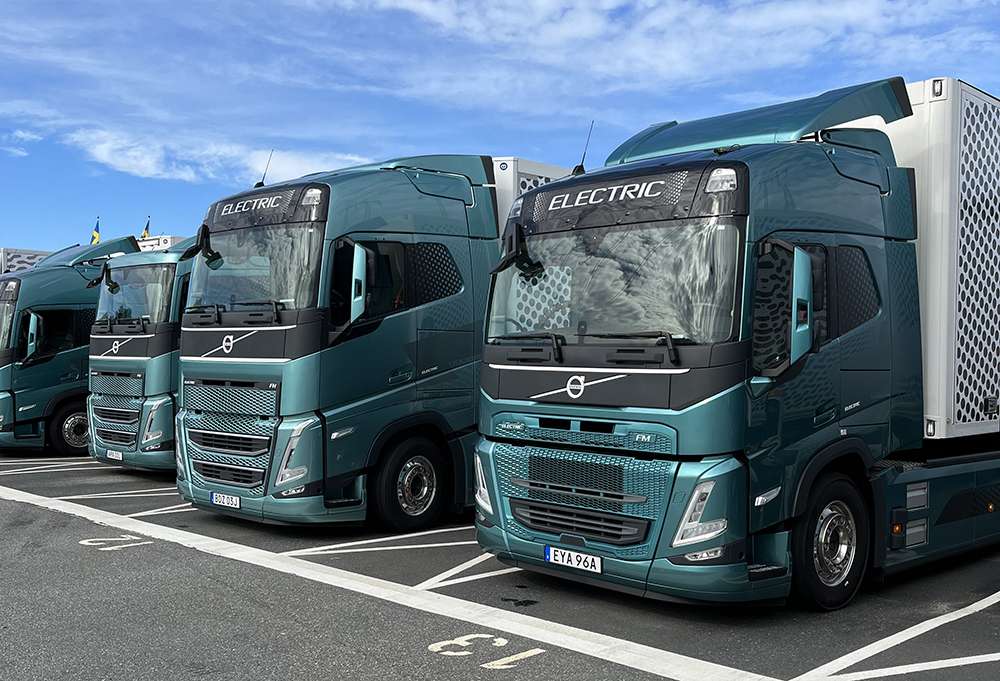 沃爾沃FH和FM重型卡車使用三星SDI提供的NCA鋰離子電池。(Ryan Gehm)
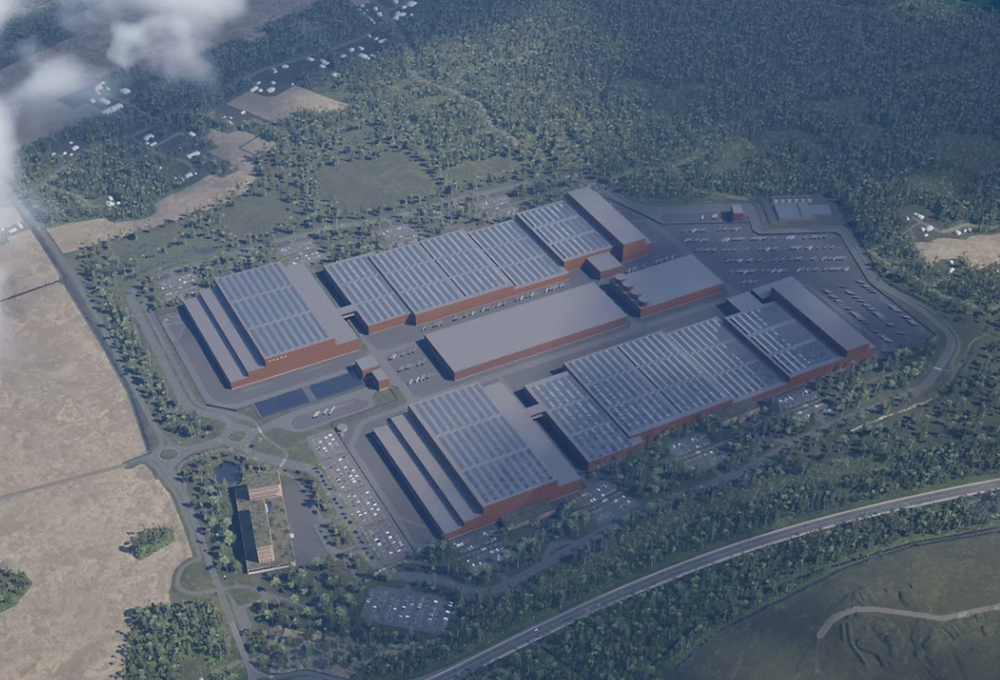 沃爾沃未來在瑞典馬里斯塔德的 “綠色”工廠生產(chǎn)的電池將用于沃爾沃集團的各類產(chǎn)品。(沃爾沃卡車)