這三家日本汽車制造商表明未來將提供更多類型的內燃機。
豐田、馬自達和斯巴魯在聯合發布會上表示,未來將致力于研發新型內燃機技術并探索其在電氣化時代的應用方式,特別是在混合動力汽車和插電式混合動力汽車中的應用。此外,它們還鼓勵增加生物燃料和合成燃料等石油替代燃料的使用,以助力實現汽車碳中和的目標。這三家OEM在聯合聲明中強調,它們將推動新型高效內燃機的研發,并將重點放在脫碳方面,從而使內燃機與電機、電池和其他電驅部件能夠更好地結合使用。同時,他們也明確表示不會排除僅開發電動車的計劃。
本文將介紹這三家OEM分別采取哪些措施,以邁向內燃機+電動車的新時代(下述英文引述內容由現場口譯員提供)。
豐田總裁兼首席執行官佐藤恒治表示,豐田將把發動機與電動部件相結合,重點打造更高效、更緊湊的新型小排量直列四缸發動機。
佐藤表示,“基于將發動機與電動部件相結合的理念,我們將充分利用電機和發動機各自的優勢領域來改進現有技術,以提升效率。此外,我們還將根據電氣化需求優化發動機的結構,使其變得更緊湊、安裝更靈活,從而更具競爭力。
豐田首席技術官中島裕樹表示,豐田新型1.5L自然吸氣發動機的體積和高度將比現有版本減少10%,同時燃油經濟性更為出色,輸出功率大致相同。新型1.5L渦輪增壓新型發動機的體積將比現有2.5L自然吸氣發動機減少20%,高度減少15%,盡管其燃油效率略低,但輸出功率會提高30%。此外,豐田新型2.0L發動機的體積和高度都將比現有2.4L渦輪增壓發動機減少10%,效率更高,輸出功率也會提高30%。
馬自達回顧過去,找到了適用于未來的內燃機——轉子發動機。公司目前正考慮將轉子發動機應用于新型混合動力車和插電式混合動力車中。
馬自達總裁兼首席執行官毛籠勝弘在新聞發布會上表示,“我們很早就開始探索轉子發動機的環保潛力,包括20世紀90年代的氫燃料轉子發動機。雖然轉子發動機結構緊湊且重量輕,但具有極高的輸出功率,這樣的結構特征使其適用于多種燃料。此外,它還有一個不為人所知的優點:由于它體積小巧且零部件布局相對靈活,因此空間效率很高,便于安裝電氣設備,這為封裝和設計創新提供了極大優勢。”
毛籠勝弘提到,轉子發動機的天然優勢(特別是安靜和低振動)賦予了它“獨特的價值”。
他表示,“我們相信,轉子發動機很有可能在電氣化時代提供新的價值。目前,我們正在全力攻克轉子發動機面臨的排放合規性問題。”
斯巴魯不打算放棄水平對置發動機。該公司未來的混合動力汽車和插電式混合動力汽車所搭載的新型內燃機+電動動力系統仍將保持對稱AWD布局。但斯巴魯總裁兼首席執行官大崎敦司表示,公司對不同類型的動力系統持開放態度。
他表示,“斯巴魯計劃通過重點提升靈活性和可擴展性來應對電氣化轉型。對斯巴魯而言,內燃機就是一種水平對置發動機。公司的先驅認為,縱向安裝的水平對置發動機是最合理、最理想的汽車動力系統,并逐漸發展成為斯巴魯獨特的對稱AWD系統。該系統具有卓越的封裝形式,充分利用了對稱動力系統的布局和水平對置發動機的特性——輕巧、緊湊、低重心、低振動,以及較高的碰撞安全性。”
斯巴魯的新型AWD動力系統將是一個串并聯系統,該系統有兩種驅動路徑:一是通過內燃機直接驅動車輪,二是將內燃機動力輸送至發電機,并通過發電機給電池供電,從而驅動車輪。汽車將根據哪種路徑的效率更高來決定將內燃機的電力輸送至何處。
大崎敦司指出,斯巴魯未來的混合動力汽車和插電式混合動力汽車可能配備與油車尺寸相同的油箱,但不一定使用化石燃料。“斯巴魯也希望能與其他公司攜手推動碳中和目標的實現”,“要應對建設碳中和的挑戰,我們三家公司的努力是遠遠不夠的,需要日本汽車行業和整個社會的共同努力。”
斯巴魯稱,將于2024年秋季開始在其位于日本埼玉縣的北本工廠生產用于下一代混合動力系統的變速驅動橋(transaxles)。
Toyota, Mazda and Subaru announced a new technological effort to create new internal combustion engines and ways to use them in the electrification era, specifically for hybrid and plug-in hybrid vehicles. The companies said at a joint press conference in Japan that they would encourage increased use of petroleum alternatives like biofuels and eFuels in their effort to create carbon-neutral vehicles. A joint statement from the three OEMs claims this push for new and better ICEs comes with a focus on “carbon as the enemy” as they develop engines that can better work with electric motors, batteries, and other electric drive units. Toyota, Mazda and Subaru made clear they are not getting rid of EV-only vehicle plans.
Here’s how each company will approach the new ICE+EV era (quotes provided in English by on-site interpreters).
Toyota: smaller, better engines
Toyota will develop new, low-displacement inline four-cylinder engines, Toyota president and CEO Koji Sato said, with an emphasis on increased efficiency and more compactness by combining the engine with an electric power unit.
“Based on the concept of adding an engine onto an electric unit, we are refining our technology to achieve higher efficiency than before by leveraging the areas in which each electric motor and engine excel,” Sato said. “By optimizing engines for electrification, we will make their structure more competitive and compact, which will lead to more flexibility in engine installations in cars.”
Toyota’s chief technology officer, Hiroki Nakajima, said that the company’s new, naturally aspirated 1.5-L engine would be 10% smaller in both volume and height, while offering better fuel economy and around the same power output. The new 1.5-L turbo engine would be similarly smaller (a 20% volume reduction and a 15% height reduction) compared to the current 2.5-naturally aspirated engine and will trade slightly worst fuel-efficiency for a 30% improvement in horsepower. Finally, Toyota’s new 2.0-L engine will, compared to the current 2.4-L turbo, be 10% smaller and shorter, with better efficiency and, again, around 30% higher hp.
Mazda: rotary to the future
Mazda is looking to the past when it comes to finding the correct future for ICEs by considering using the rotary engine for the new HEVs and PHEVs.
“From an early stage, we have explored the environmentally friendly potential of these engines, including burning hydrogen in the 1990s,” Mazda president and CEO Masahiro Moro said during the press conference. “Rotary engines are compact and lightweight, and yet have a high output. The structural characteristics make them omnivores with respect to fuels. What's more, though not widely known, their compact size and relative freedom in the layout of auxiliary parts allow for high space efficiency and easy mounting of electric devices, offering a great advantage for innovative packaging and design.”
Moro said the inherent benefits of a rotary engine, specifically the quietness and low vibration, give it a "singular value.”
"We believe that the rotary engine holds great potential for providing new value in the age of electrification and we are devoting all our energies to overcoming the current challenge of emission compliance for our rotary engines,” he said.
Subaru: EVs with AWD will keep the “Subaru difference”
Subaru is not giving up on the Boxer engine. New ICE-plus-electric powertrains from the company will keep the brand’s symmetrical all-wheel drive layout for future hybrid and PHEV models, but Subaru president and CEO Atsushi Osaki said his company remains open to all different kinds of powertrain options.
“At Subaru, we are navigating this period of a great transformation by focusing on flexibility and expandability,” he said. “At Subaru, internal combustion engines mean horizontally opposed engines. The company's pioneers regard longitudinally mounted, horizontally opposed engines as the logical and ideal source of power for automobiles. This has developed into Subaru’s unique symmetrical AWD system with a superior packaging that takes advantage of a symmetrical powertrain layout and the features of a horizontally opposed engine: lightweight, compact, low center with gravity reduced vibration and the safety in collisions.”
Subaru’s new powertrain layout, still with AWD, will be a series-parallel system that uses an ICE that will either directly power the wheels or send power to a generator, which will in turn power a batter that moves the motor and then the wheels. The car will decide where to send ICE energy by choosing the most-efficient path.
Subaru’s future hybrid and PHEV models will likely have fuel tanks that are the same size as a gasoline-only car, Subaru said, but it won’t need to be filled with a petroleum product. “Subaru is also eager to collaborate in efforts to promote the adoption of a carbon neutral,” Osaki said. "The challenge of creating a carbon neutral society needs to be tackled and not just by the three companies here, but by all of the Japanese industry and society.”
Subaru said it will start producing transaxles for the next-generation hybrid system in the fall of 2024 at its Kitamoto Plant in Saitama Prefecture, Japan.

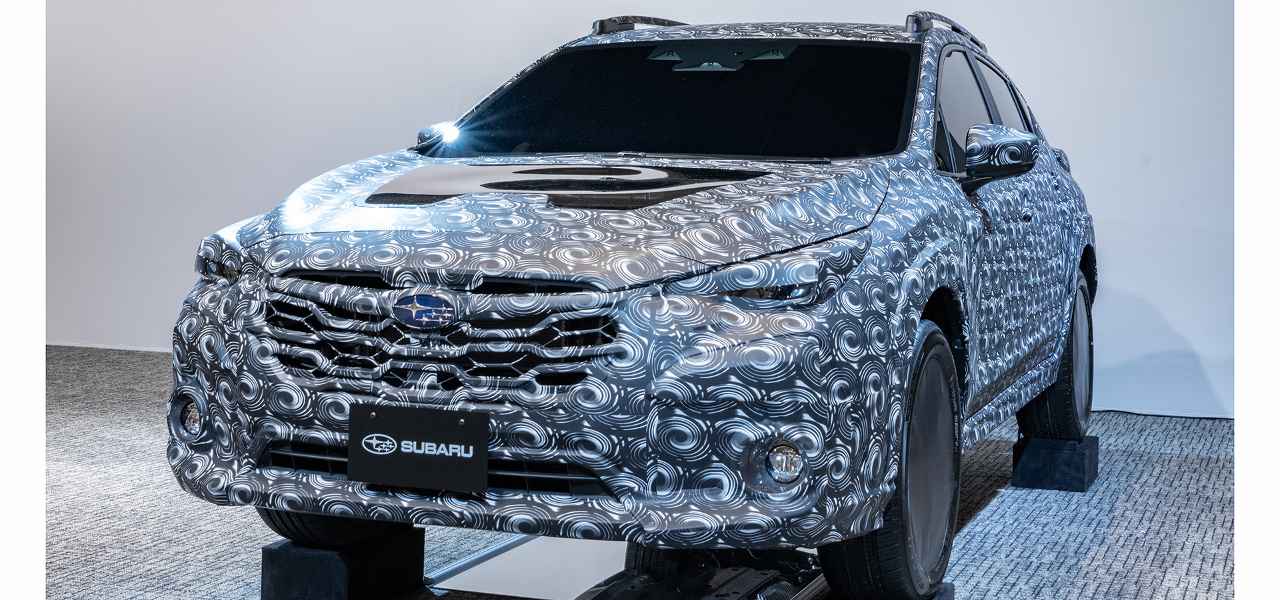 搭載下一代混合動力系統的斯巴魯Crosstrek原型車。(豐田)
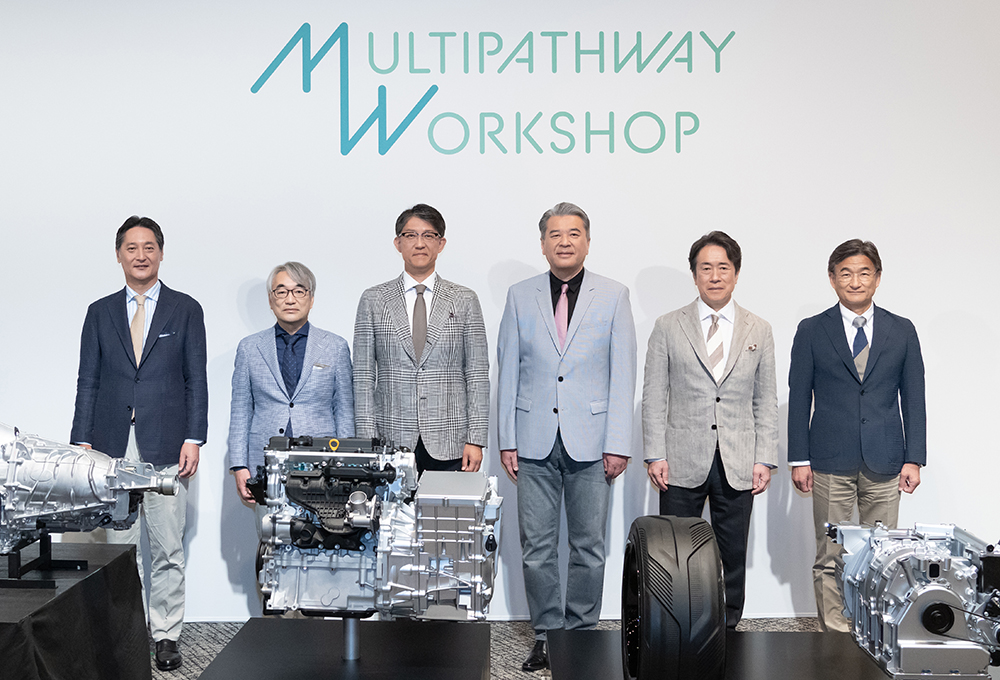 從左至右,斯巴魯總裁兼首席執行官 大崎敦司、斯巴魯高級常務執行官兼首席技術官 官藤貫哲、豐田總裁兼首席執行官 佐藤恒治、豐田執行副總裁兼首席技術官 中島裕樹、馬自達總裁兼首席執行官 毛籠勝弘、馬自達高級常務執行官兼首席技術官 廣瀨一郎。(豐田)
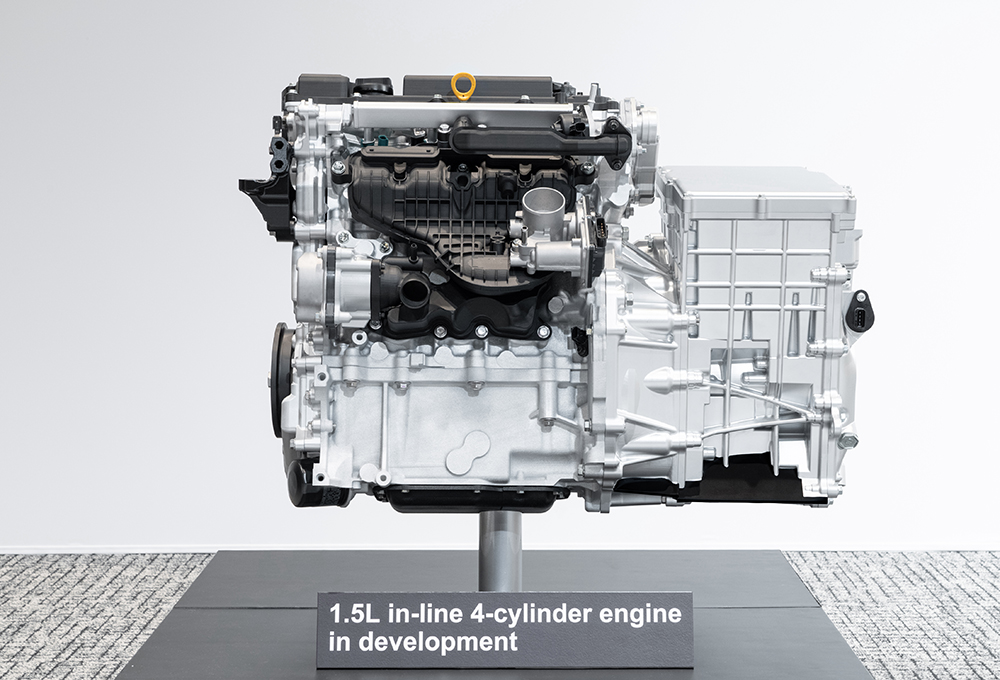 豐田汽車正在開發的1.5L直列四缸發動機。(豐田)
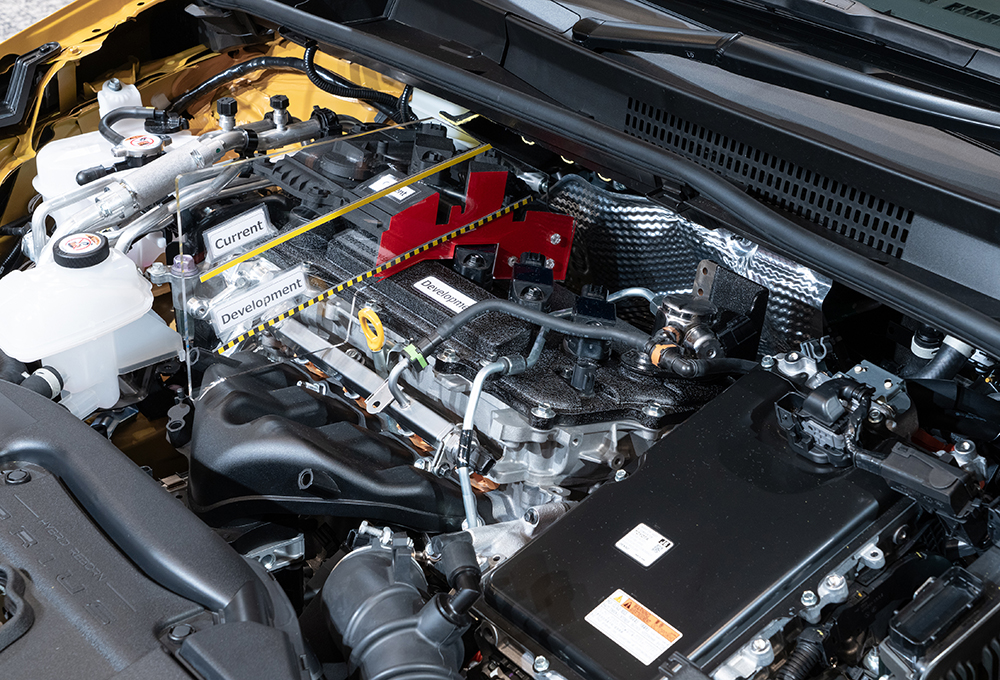 豐田汽車正在開發的裝有1.5L直列四缸發動機的樣車。(豐田)
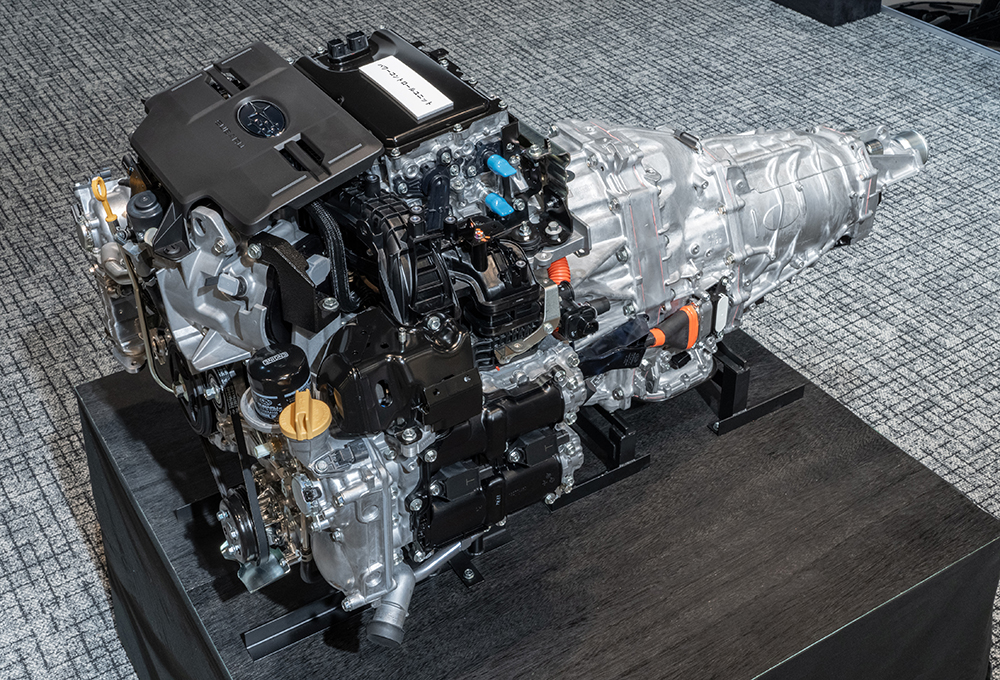 斯巴魯新一代混動系統。(斯巴魯)