汽車互聯功能正在不斷改變著當今的汽車行業,促使更多產品研發團隊開始邁向“云計算”的時代。由于汽車廠商希望可以利用云平臺為旗下產品提供更多的特色、功能和服務,云服務提供商在汽車行業中扮演的角色也越來越重要。
車輛內置的調制解調器和移動網絡連接,都可以為駕駛員和乘客提供更多訪問網絡的途徑,這也促使了車輛人機接口(HMI)、安全系統和信息娛樂系統的不斷進步。由于汽車系統還會傳送數據,云技術已然成為現今汽車研發中的一個關鍵因素。雖然云的概念有點含糊不清,但其帶來的影響卻是實實在在的,云平臺的確可以保證駕駛員及時獲得所需的信息。
“為車輛配備一套完整的互聯解決方案和服務非常重要,為了實現這一點,云的作用非常關鍵。”哈曼(Harman)技術戰略副總裁Alon Atsmon表示,“云技術可以提供響應式實時解決方案,保證支持車輛傳感器工作的軟件可以實時更新、永不過時。”
不會犧牲安全性
如今,很多產品已經具備了基于“云”的各種功能,將來,這一范圍還將繼續擴大,這些遠程服務將成為讓產品脫穎而出的重要因素。
“云已經對駕駛員產生了很大的影響,比如可以提供實時交通信息和基于服務器的導航信息,協助駕駛員尋找最快到達目的地的路線,或是可以提供基于服務器的診斷工具,在車輛出現問題時向駕駛員發送郵件通知。”大陸汽車(Continental Automotive)軟件與互聯解決方案部產品管理經理Robert Gee表示,“未來,互聯性不但有助于提升車輛的燃料經濟性,還能優化汽車的內置安全系統。”
正是有了云,汽車廠商才能為用戶提供更多信息娛樂、實時更新、交通、道路,以及其他狀況的信息。但與此同時,對云的訪問也會給駕駛員帶來一些干擾。目前,各家公司正在進行研發,試圖在不犧牲安全的情況下為用戶提供訪問云的途徑。
“如果用戶已經創建了播放列表或閱讀列表,那云平臺就可以允許用戶在駕駛模式下訪問這些數據,并通過一種適合駕駛員當時所處環境的方式為用戶提供這些信息。”施樂(Xerox)技術戰略部高級總監JoeAverkamp表示,“比如可以通過‘文字轉語音’的方式讀取郵件、從收藏列表中播放音樂或視頻(不可為駕駛員提供視頻),或支持一些與社交媒體的互動。”
無論何種新功能的應用,如何消除對駕駛員的干擾都是一個關鍵問題。減少認知過載和駕駛員干擾的關鍵在于不斷適應駕駛員所處的駕駛環境。如今的HMI正在飛速發展,可協助駕駛員處理相當于他們瀏覽網頁時所接收的信息量。
HMI開發者正在竭盡所能,為保證不犧牲駕駛安全性,盡可能地簡化駕駛員處理大量信息的難度。
“汽車系統需要為車內乘客提供正常的網絡訪問途徑,但要優化針對駕駛員的信息輸送機制。”Averkamp表示,“這意味著必須要對車內的用戶界面進行定制化處理,比如減少圖標數量、放大圖標顯示尺寸、精簡命令種類等。在車里使用網絡服務與在家或在辦公室里有本質區別,大家都已經認識到這一點。”
借助遠程信息數據
為了減少對駕駛員的干擾,汽車研發人員還需拓展合作伙伴關系,展開與網絡供應商的合作。某些時候,當情況過于復雜時,直接限制電子信息帶來的駕駛員精力分散,是一種明智的作法,這可以讓駕駛員將注意力集中在駕駛上。
Atsmon表示,“汽車公司和網絡供應商可以密切合作,采取一些措施限制或禁止駕駛員接聽來電或讀取信息,從而降低駕駛員被干擾的風險。”
云服務還能自動處理一些任務,從而分擔一些駕駛員的負擔。舉例而言,當駕駛員出發參加已經記錄在日程上的會議時,云服務就可以幫駕駛員處理一切相關事務,無論是自動規劃路線,還是在必要時自動發送遲到通知。
“我們還可以在云中存儲郵件、日程和其他個人信息。”Abalta Technologies公司CEO Michael O'Shea表示,“有了這些數據,服務商可以向駕駛員提供更有意義、貼合現實情況的信息,比如引導駕駛員前往日程中安排的下一個地點。基于云的系統可以針對不斷變化的駕駛環境做出反應,并在駕駛員存在遲到風險時通知指定的人。”
此外,云還有助于提升車輛的安全性。這是由于其他車輛如果也連接到了云平臺,就可以提供一些發生在遠方的事件信息的具體細節,這肯定超出了車輛自身車載傳感器的監測范圍。云中的遠程數據可以提供前方車輛熄火或道路臨時關閉等信息,告知駕駛員他們應當減速,或在有必要時更換路線。
“汽車傳感器可以監測車輛周邊數百米之內的交通或障礙物,但空中實時傳輸的數據則能預先提示車輛,提供行駛路線上的所有交通阻塞或道路障礙信息。”大陸公司的Gee表示,“這樣一來,汽車導航系統可以自動重新規劃路線以避免障礙物,從而提升駕駛員的駕駛體驗,并盡量縮短到達目的地的所需時間。”
未來,云服務的對象將包括駕駛員、乘客和汽車管理機構。設計團隊在設計規模可控的未來互聯架構時,這些因素都必須考慮在內。
“對于駕駛員而言,我們必須提供駕駛所需的信息,也就是地圖、交通、停車支付系統、收費系統、與行程有關的信息,以及信息娛樂功能等。”施樂公司的Averkamp表示,“對于乘客,我們則應為他們提供與在家里或在辦公室內類似的體驗。”
Averkamp認為,發動機和汽車系統的功能性也將進一步被開發。隨著越來越多的基礎設施接入網絡,如今的汽車系統可以完成自動支付,或訪問交通信號燈狀態等道路系統的信息。Averkamp斷言,“一級供應商或原始設備制造商如果能夠理解該如何在這三個領域內創造價值,就一定可以在競爭中脫穎而出。”
限制汽車網絡攻擊的蔓延
隨著廠商推出越來越多以汽車互聯為基礎的特色和功能,汽車安全的重要性也日益凸顯。無論車輛是通過移動網絡或內置調制解調器聯網,設計師在設計中均必須保證車輛可以抵御網絡非法入侵。
一旦車輛的弱點有所暴露,此時的關鍵在于如何減小攻擊造成的影響。這種概念的中心思想是將攻擊造成的影響限制在一輛汽車,防止其隨意蔓延至其他也有同類弱點的車型。
“手機可以被破解,任何具備一定經驗的黑客都能訪問手機數據,并偽造與云或汽車的連接。”來自Albalta Technologies公司的O’Shea表示,“不過,通過正確地使用安全證書,網絡攻擊可以被有效控制在特定的汽車之內(即黑客攻擊的那輛車),并不會擴展至整個車隊。”
作者:Terry Costlow
來源:SAE《汽車工程雜志》
翻譯:SAE上海辦公室
Vehicle development heads into The Cloud
Connectivity continues to transform the automotive industry, forcing product development teams to join the movement to cloud computing. The many cloud service providers are playing an increasingly growing role in the drive to provide more features, functions and services.
Factory installed modems and cell phone links are giving drivers and passengers increasingly more access to the Web, driving changes in human machine interfaces (HMI), safety and infotainment. Vehicle systems are also transmitting data, making the cloud a key factor in ongoing vehicle development. The impact of the nebulous cloud is already occurring, ensuring that drivers have current information.
“It’s important to equip vehicles with a complete host of connected solutions and services, and the cloud is a major contributor to this holistic approach,” said Alon Atsmon, Vice President of Technology Strategy at Harman. “The cloud provides responsive real-time solutions, so software supporting these sensors are up-to-date and future-proofed.”
No compromising safety
Many features already leverage "the cloud." In the future, that will expand, making these remotely-provided services an important product differentiator.
“The cloud has already been having a large effect for drivers, whether through real-time traffic, server-based navigation to identify the currently fastest route, and server-supported diagnostics with e-mail notifications to drivers when there is an issue,” said Robert Gee, Head of Product Management, Software & Connected Solutions at Continental Automotive. “In the future, connectivity will be used to help improve fuel efficiency and as an enhancement for embedded vehicle safety systems.”
Leveraging the cloud makes it possible to deliver more infotainment and up-to-the-minute updates and traffic, roadway and other conditions. But access also provides many more distractions. Companies are working on strategies that provide access without compromising safety.
“If a user has created a playlist or reading list, the cloud allows the user to access this data when they are in driver mode, and the information is delivered in a way that is suitable for the environment the driver is in,” said Joe Averkamp, Senior Director of Technical Strategy at Xerox. “Emails can be read using text-to-speech; music or video can be pulled from favorites list (no video for the driver), interaction with social media can be enabled.”
Driver distraction is a central factor for any new feature. Adapting to the driving environment is key to reducing cognitive overload and driver distraction. HMIs are evolving rapidly to help drivers deal with the volume of inputs that come when they can access the World Wide Web.
HMI developers are doing everything they can to make it easy for drivers to manage myriad inputs without compromising their safety.
“While in the vehicle, the vehicle systems will need to provide normal access to passengers, but optimize the delivery mechanism for the driver,” Averkamp said. “This will mean customizing the user interface for in-vehicle use—fewer icons, bigger displays, fewer commands available. This is recognition that using web services in the car is a fundamentally different experience than using the web at home or in the office.”
Leveraging telematic data
Automotive developers may also broaden their partnerships, teaming up with cellular providers to reduce driver distraction. In some instances, it may be wise to limit electronic distractions so drivers can focus driving when conditions get complicated.
“Working closely together, automotive companies and cellular providers can help minimize the risk of distraction by implementing solutions that limit or prohibit the driver from checking incoming calls or messages,” Atsmon said.
Cloud services can also free drivers by automatically handling tasks. For example, when a driver is going to a meeting listed on a calendar, cloud servers can handle everything from setting a route to automatically sending notifications if there are delays.
“The cloud is also where we store our emails, calendars and other personal information,” said Michael O'Shea, CEO of Abalta Technologies. “Services can take advantage of this information to provide meaningful, context-aware information to the driver, such as directions to their next appointment. Cloud-based systems can react to changing driving conditions and alert designated people if the driver is expected to be late.”
Safety can be improved as data from other vehicles provides details about activities far beyond the distances monitored by on-vehicle sensors. Telematic data can provide information on stalled vehicles or temporary lane closures, letting drivers know that they will need to slow down and may want to switch lanes to minimize the impact of slowing traffic.
“Vehicle sensors can detect traffic or obstacles that are several hundred meters away from the vehicle, while over-the-air data can forewarn of traffic congestion or road hazards on the vehicle's path,” Continental's Gee said. “By doing this, the vehicle navigation system can automatically reroute the driving path to avoid the obstacles, thus improving driving comfort and potentially time to destination.”
Going forward, cloud services will provide services for drivers, passengers and vehicle controls. Design teams must consider all these parameters when they’re creating connectivity architectures that can scale for the future.
“For the driver, we need to deliver the information essential to the task of driving: maps, traffic, payment systems for parking, tolls, information related to the trip, as well as information and entertainment,” Averkamp at Xerox said. “Passengers will have an experience similar to their home or office experience."
He said the engine and vehicle system can be interrogated for functionality. As more of the infrastructure becomes web-enabled, vehicle systems can make automatic payments, or access information from roadway system, like traffic signal status. "The Tier 1 or OEM that figures out how to deliver value to these three areas will have a leg up on the competition,” Averkamp asserted
Limiting single-vehicle attacks
As OEMs leverage connectivity to add these features and functions, security will become increasingly important. Regardless of whether connections are made by phones or by internal modems, designers will attempt to block as many intrusions as possible.
When vulnerabilities are exploited successfully, the focus will shift to minimizing the impact of the breach. A central aspect of this is to limit attacks on a single vehicle from proliferating to others that share the same vulnerability.
“Phones can be jailbroken and any moderately sophisticated hacker can access its data or spoof the connection to the cloud or vehicle,” O’Shea from Albalta Technologies said. “With the correct use of security certificates, however, any such hack can be limited to a specific vehicle (that the hacker hacked) and not to the fleet in general.”
Author: Terry Costlow
Source: SAE Automotive Engineering Magazine
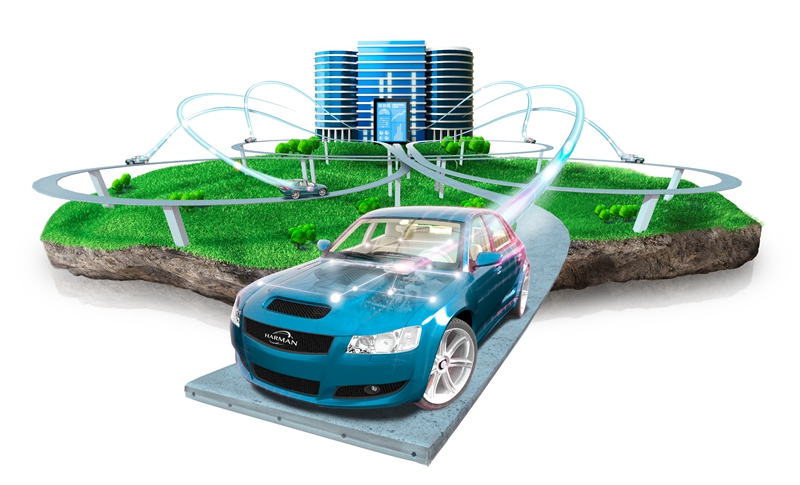 在一級供應商和原始設備制造商的互聯戰略中,與大量的云服務器實現通信,是其中的關鍵一環。