豐田研究院(Toyota Research Institute,簡稱TRI)是日本豐田汽車在美國地區的高級研究機構。今年1月5日,豐田(Toyota)介紹了這個團隊的雛形,未來這支“夢之隊”將指導豐田公司在汽車自動駕駛技術、人工智能、材料科學、機器人技術等領域進行高達10億美元的投資。
目前,軟件和數據是豐田Mobility Strategy(移動戰略)的核心。”豐田TRI的CEO Gill Pratt博士在2016年拉斯維加斯國際消費電子展(Consumer Electronics Show,簡稱國際CES展)期間的新聞發布會上表示,“豐田進行了大規模的投資,這反映了我們非常重視打造安全、可靠的自動化移動系統。簡單來說,我們認為豐田可以憑借覆蓋生活方方面面的各種交通運輸產品,顯著提高所有人的生活質量,無論他們年紀大小。”
Pratt博士曾在美國國防部高級研究計劃署(Defense Advanced Research Projects Agency,簡稱DARPA)擔任機器人技術項目經理。Pratt團隊最初的成員包括現擔任TRI首席運營官的卡內基梅隆大學(Carnegie Mellon University)前任教授、DARPA署前任項目經理Eric Krotkov;曾為谷歌(Google)汽車項目編寫路徑規劃軟件的谷歌機器人(Google Robotics)前任主管James Kuffner;貝爾實驗室(Bell Labs)前任部門主管、DARPA署前任項目經理Larry Jackel;美國麻省理工大學前任教授John Leonard;歐林工程學院(Olin College of Engineering)前任機械工程教授Brian Storey;麻省理工大學電氣工程與計算機科學副教授Russ Tedrake,以及目前擔任TRI執行聯絡官的豐田研發項目總經理Hiroshi Okajima。
目前團隊中的所有6人均為TRI的受薪雇員,但Leonard、Storey和Tedrake將繼續留在各自的大學,以兼職的形式為TRI工作。Pratt博士表示,未來團隊還會有更多專家加入,包括專業公共政策與社會科學領域的人才。
此外,豐田還成立了一個獨立的八人咨詢委員會,由前任美國駐日本大使John Roos擔任主席。該委員會的成員還包括前美國海軍部長、網絡安全專家Richard Danzig和華特迪士尼幻想(Walt Disney Imagineering)前任研發總監、麻省理工(MIT)及斯坦福大學(Stanford University)人工智能實驗室主任Bran Ferren等。
Pratt博士表示,豐田5年內將對TRI投資10億美元,作為該項投資的一部分,公司將投資5000萬美元,在加里福尼亞州帕洛阿爾托市和馬薩諸塞州劍橋市分別開設兩個研究中心,分別從斯坦福和麻省理工大學騎車10分鐘即可到達。未來研發團隊的成員將在這里工作。
目前,TRI已經有將近30個正在進行中的項目。Pratt博士告訴《汽車工程雜志》,TRI希望可以在自動駕駛領域取得進展,因為該技術可以提高老年人和殘疾人的生活質量,并最終實現零事故的目標。Pratt博士還是汽車“開發接口標準(Open Interface Standard)”的堅實擁護者,他相信通過統一標準,可以提升汽車與行人間進行通訊的能力。
作者:Lindsay Brooke
來源:SAE《汽車工程雜志》
翻譯:SAE上海辦公室
Toyota introduces its “dream team” for vehicle autonomy and advanced research
Toyota Research Institute (TRI), the automaker’s new advanced research group based in the U.S., on January 5 introduced the initial technical team that will guide the $1 billion venture into autonomous vehicle technologies, artificial intelligence, materials science, robotics, and more.
“Software and data are now central to Toyota’s mobility strategy,” said Dr. Gill Pratt, TRI’s CEO, during a press conference at the 2016 CES in Las Vegas. “The scale of Toyota’s commitment reflects our belief in the importance of developing safe and reliable automated mobility systems. Simply put, we believe we can significantly improve the quality of life for all people, regardless of age, with mobility products in all aspects of life.”
Dr. Pratt is former program manager for robotics at the U.S. Defense Advanced Research Projects Agency (DARPA). His initial technical team includes Eric Krotkov, a former Carnegie Mellon University professor and DARPA program manager who serves as Chief Operating Officer; James Kuffner, the former head of Google Robotics who wrote route-planning software for the Google car project; Larry Jackel, former Bell Labs department head and DARPA program manager; formerMassachusetts Institute of Technology professor John Leonard; Brian Storey, a mechanical engineering professor from Olin College of Engineering; Russ Tedrake, an MIT associate professor of electrical engineering and computer science; and Toyota R&D Project General Manager Hiroshi Okajima, who will serve as TRI’s Executive Liaison Officer.
All six are salaried TRI employees. Leonard, Storey, and Tedrake will work part time with TRI and continue in their university roles. Dr. Pratt said more experts will be added, including those representing the public-policy and social sciences disciplines.
A separate eight-member advisory board will be chaired by John Roos, the former U.S. ambassador to Japan. The board also includes former U.S. Secretary of the Navy Richard Danzig, an expert in cybersecurity; Bran Ferren, the former President of R&D at Walt Disney Imagineering, and the directors of artificial intelligence laboratories at MIT and Stanford University.
Part of Toyota’s initial five-year, $1 billion investment in TRI includes $50 million to open two research centers located in Palo Alto, CA, and Cambridge, MA, “within a 10-minute bike ride from Stanford and MIT,” Dr. Pratt said. The initial team members will relocate to those locations.
TRI already has nearly 30 research projects underway. Dr. Pratt told Automotive Engineering that TRI’s goals include the advancement of automated-driving technologies particularly as they can help elderly and disable drivers and achieve the long-term goal of zero vehicle crashes. He also is a strong advocate for open interface standards to improve how vehicles communicate with pedestrians.
Author: Lindsay Brooke
Source: SAE Automotive Engineering Magazine

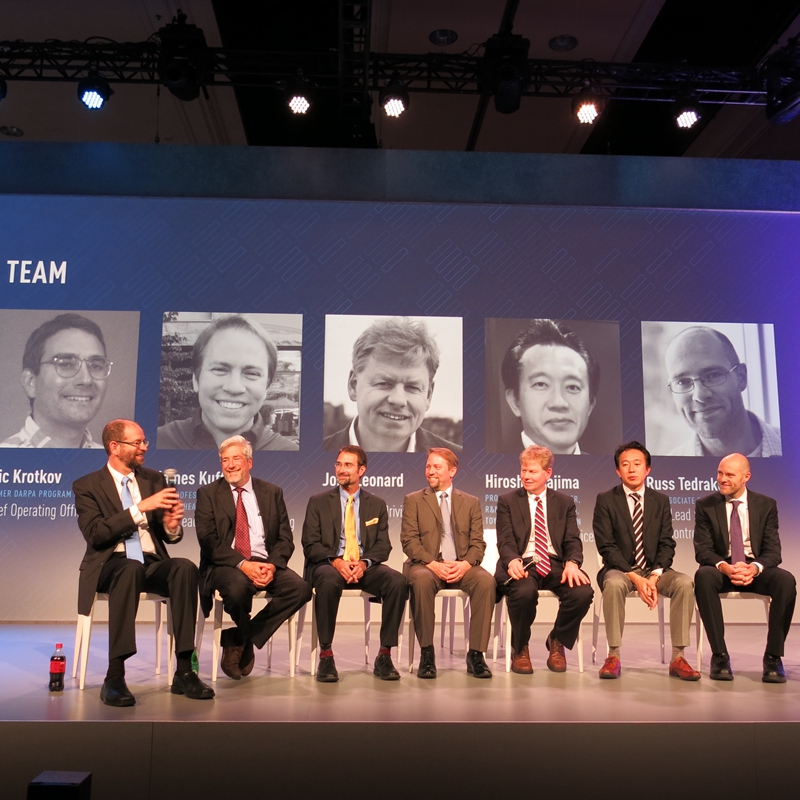 CES展期間的專題研討會上,Gill Pratt博士(最左)與TRI初始團隊的6名成員進行交流。從左至右分別為Gill Pratt、Larry Jackel、Eric Krotkov、James Kuffner、John Leonard、Hiroshi Okajima和Russ Tedrake。
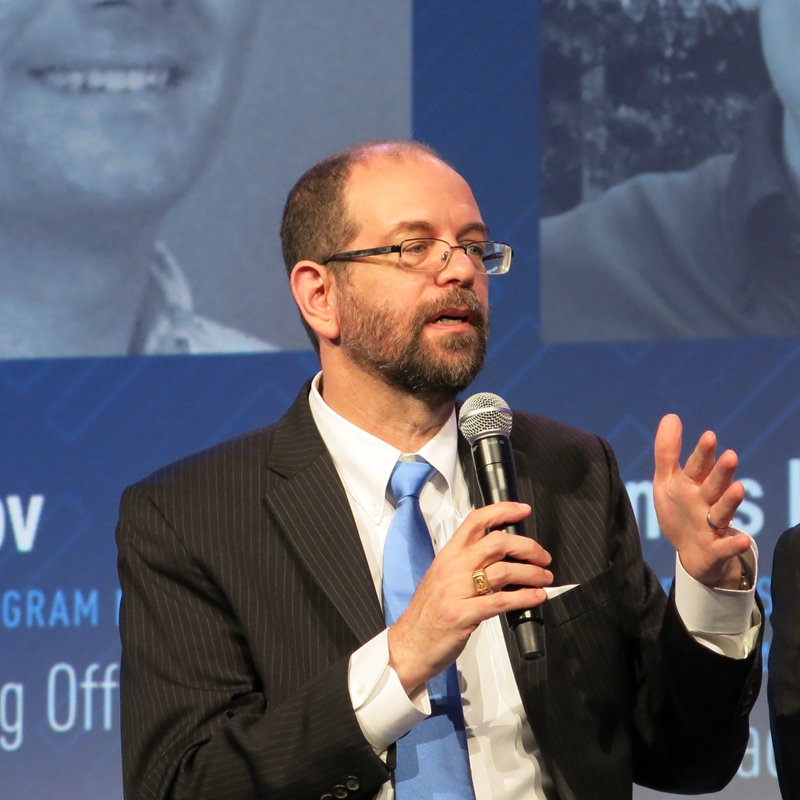 TRI的CEO Gill Pratt博士在2016年國際CES展上的新聞發布會講話。