原標題:Technology TIME-WARP
回顧過去 100 多年的汽車發展歷史,我們可以清楚看到,自動駕駛絕非最近才出現的新奇技術。
By Erika Anden & Lindsay Brooke
在汽車行業中,很多工程師都喜歡說,汽車電氣化“已有百年歷史,可直到現在電池還沒找好”。這只是一句玩笑,但是當今許多“先進”技術確實都植根于幾十年前就已經出現的概念中。舉個例子,與最早的速度控制 (1916 年) 和遠程控制汽車(1920 年代初)相比,動力轉向系統也只能算的上是新鮮事物。
每年,來自世界各地參與SAE 全球汽車年會(WCX) 的技術發燒友們,都不會錯過由我們交通運輸工具歷史委員會(Mobility History Committee)舉辦的系列活動。委員會主席MartinRowell表示,無論是在WCX學習實驗室以“未來的歷史(The History of the Future)”的演講報告上,還是展廳中一輛輛稀有珍貴的先鋒車展車,我們都不難發現,今年他們開始將注意力集中在 “通往自動駕駛技術實現之路”上的重要里程碑上。
“經過一個世紀以來的創新,我們開始計劃真正推出自動駕駛汽車,這不再只是未來學家的美麗愿望。事實上,我們現在已經可以在公共道路上看到一些具有自動駕駛功能的車輛了。” Rowell 主席指出,“如今,未來世界中的自動駕駛汽車已經觸手可及,一切都將隨之改變。不過,我們又是如何一步步走到這里的呢?”
“自動駕駛汽車實現之路”展覽中展出了自動駕駛技術發展歷程中一些極具里程碑意義的重要車型。此外,交通運輸工具歷史委員會還在三層的會議室中舉辦了多個技術會議,主題包括“早期汽車空氣動力學和精簡設計”(Early Automotive Aerodynamics & Streamlining)、“第一次世界大戰中的自由卡車”(the WWI Liberty Truck);“汽車、文化與替代燃料蒸汽汽車”(Cars and Culture and the “Alt-fuel” Stanley Steamer)等。
從“古董汽車”到“自動駕駛”:1956 款通用 Firebird II 概念車已經搭載了一套車載“指引”系統,可進行無人駕駛操作。(圖片來源:通用汽車)
1956款通用 Firebird II:搭載“自動指引”系統的“路上火箭”
通用Firebird 誕生于 1953 到 1959 年間,上圖是通用 Motorama 概念車系列中的第 2 款(全部共 4 款,均命名為Firebird系列)。這款夢幻概念車采用鈦材料車身及渦輪驅動動力系統,總設計師 Harley Earl 無疑受到了當時噴氣式戰斗機的啟發。事實上,Earl 正是計劃通過這四款 Firebird,將航空領域的最新設計和工程技術應用至福特的未來道路車輛研發中。
Firebird I 采用狹長設計,僅容一人乘坐,外形就像是一架沒有機翼但又踩著四個輪子的噴氣式飛機,而Firebird II 的車體則更寬,采用了如飛機駕駛艙一樣的氣泡型駕駛室,可容納四人乘坐。這款 Firebird的設計非常先進,不但采用了當時在 1956 年非常尖端的鈦金屬板材,而且還搭載了一款輸出馬力高達 200 hp(150 kW)的內部研發渦輪發動機。這款發動機還支持余熱回收功能,可以降低車輛尾部必須承受的極限高溫,并同時為一些配件供電。特別值得一提的是,Firebird II 還配備了一套導航系統,可以引導車輛沿著公路中所埋電線發出的電信號行駛,進而實現自動駕駛的目的。
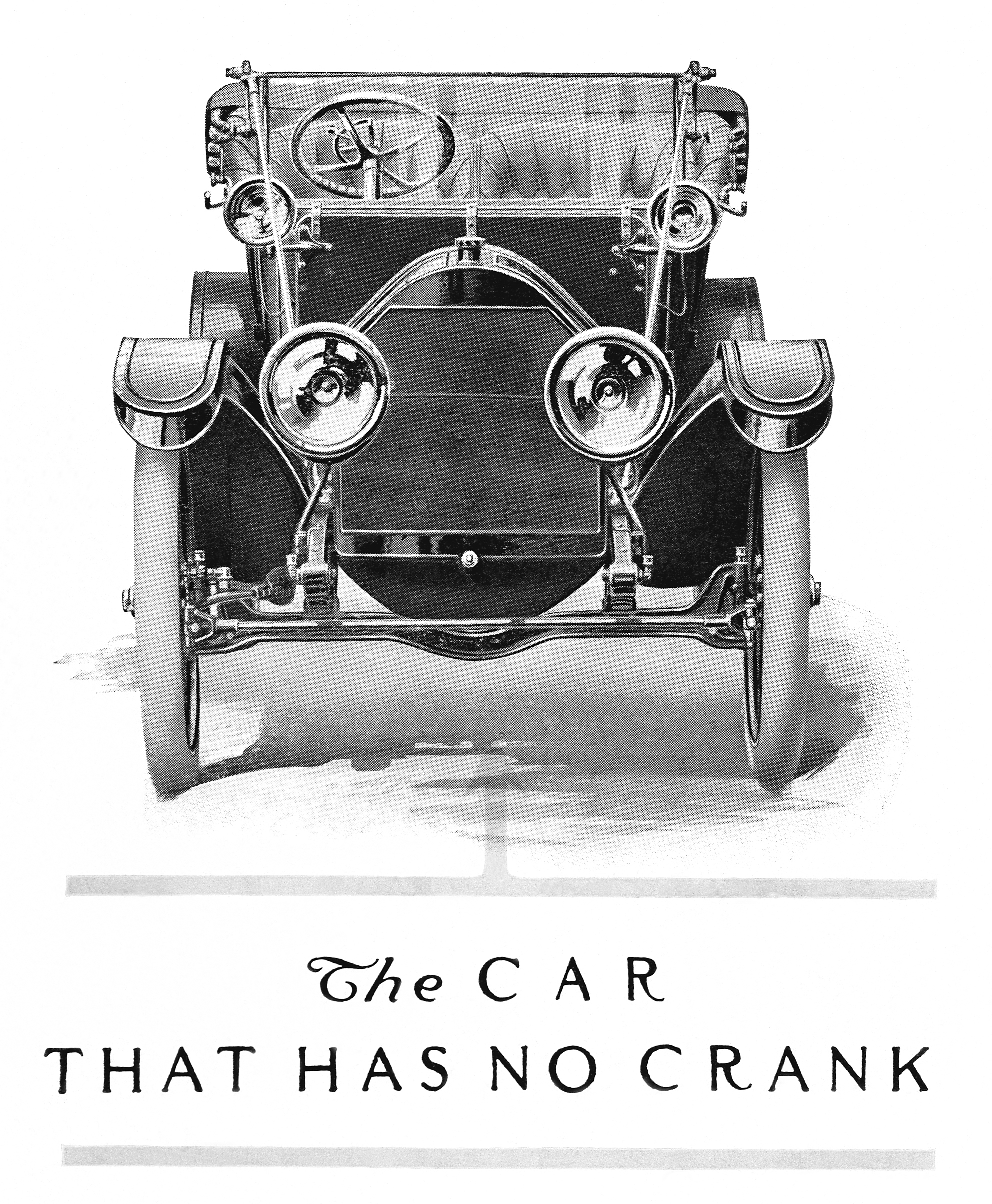
1912款凱迪拉克 Model 30:手搖曲柄消失
1912款 Model 30 是凱迪拉克首款采用查爾斯·凱特林發明的具有革命性的 Delco 電動啟動器的內燃動力商用化汽車。正如宣傳的一樣,這款凱迪拉克絕對稱得上一款改變游戲規則的車輛。Delco 啟動器系統可為汽車的電池充電,進而為車輛的完整電氣系統供電。憑借這款啟動器,凱迪拉克一舉去除了車輛的手搖曲柄,并搶占了所有電動汽車(當時很受歡迎)的最大優勢——輕松利落的啟動。
1916款 Scripps Booth Model C: 時尚的電動車
美國汽車制造商Scripps Booth 旗下的ModelC 經過專門設計,采用了一套電動設施和早期速度控制機制,可以讓駕駛員在長途駕駛中讓雙腳適當休息。為了保持固定車速,駕駛員可借助方向盤中的控制桿將油門保持在固定位置,而且僅需輕踩剎車即可結束速度保持功能。這款交錯式三座敞篷跑車還配備了一款電動啟動器、電動門閂、電動頭燈,以及“Klaxet”電動喇叭(可通過車輛方向盤中心的按鈕直接控制)。
1918款 Detroit Electric:電動汽車的便利
1918款Detroit Electric 來自底特律汽車制造商 Anderson Electric Car 公司。這款很受歡迎電動汽車自 1907 年上市,并在 1939 年停產,產品壽命長達超過 30 年。車輛采用可反復充電的鉛酸電池,最高時速為 20 英里/小時(32 公里/小時),在理想的熱力學環境下,每次充滿電續航里程為 80 英里(129 公里)。當時,AndersonElectric Car 汽車公司共生產了大約 13,000 輛Detriot Electric 電動汽車。
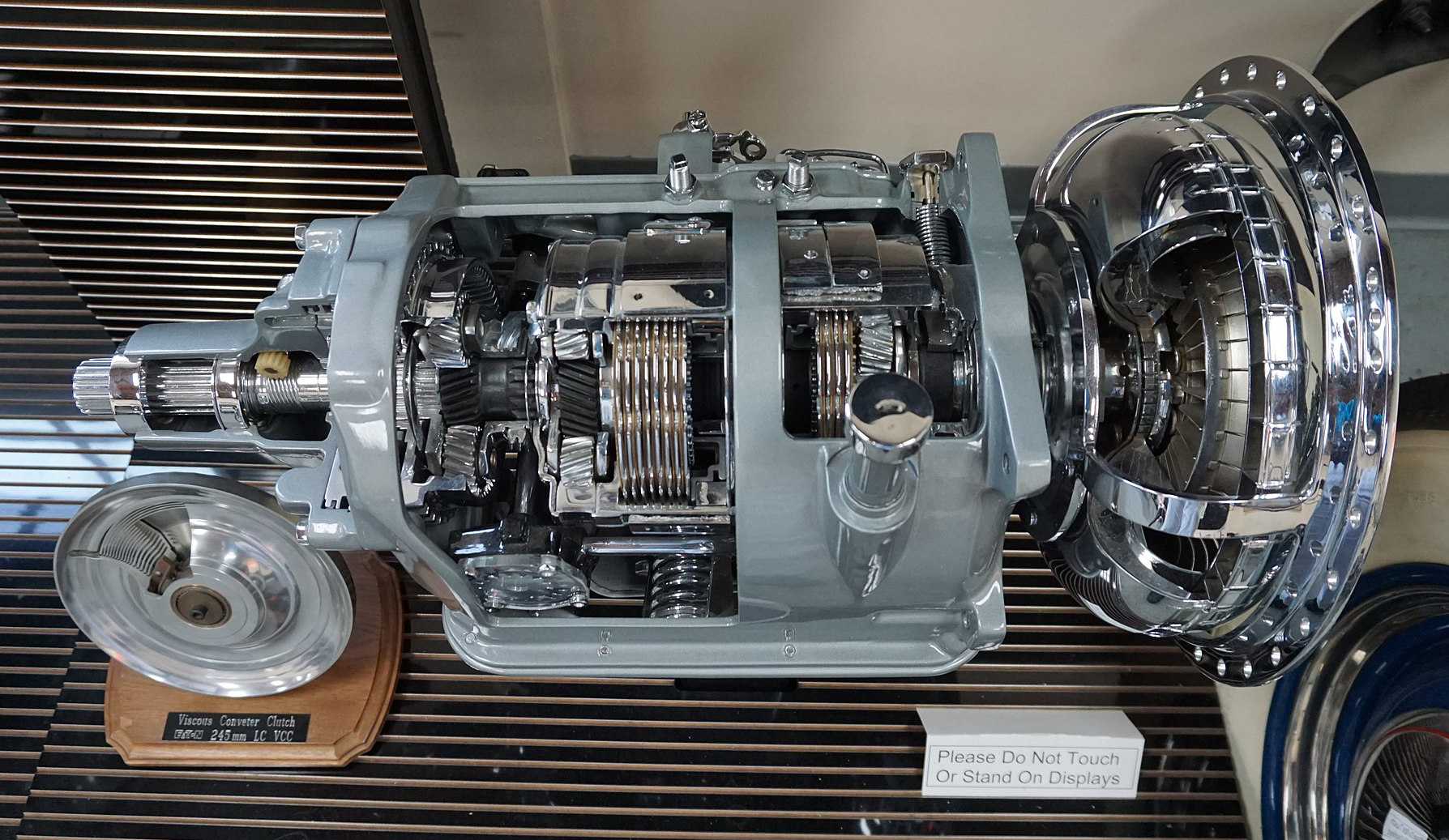
1940 款Olds Hydra-Matic:史上首款自動變速器
1940年,通用汽車的 Oldsmobile 品牌推出了世界上第一款搭配自動變速器的量產車。這款 Hydra-Matic 自動變速器可從駕駛員的手中(以及左腳)接過換擋任務,極大地推進了自動駕駛的發展歷程。此后不久,凱迪拉克 (Cadillacs) 也推出了類似的自動變速器產品。這種新型自動變速器一經推出立刻大受歡迎 —— 通用汽車曾在二戰之前售出了 20 萬輛配備自動變速器的汽車。在二戰期間,M5Stuart 和M24 Chaffee 輕型坦克也采用了 Hydra-Matic 自動變速器。通過與軍方的合作,通用汽車的工程師也得以接觸到一類最為獨特的用戶數據,這也幫助通用在戰后時期大大提高了產品的自動化水平。
1960款凱迪拉克 Coupe DeVille:自動巡航系統的開山鼻祖
隨著 1958款克萊斯勒 Imperial 的問世,現代巡航控制系統也首次進入世人的視線中。此后不久,這種新型控制系統又作為一種可選配置,登陸 1960 款凱迪拉克 Coupe DeVille。相較其他早期速度控制系統,巡航控制系統可使用旋轉計速器,統計驅動軸的旋轉,進而計算車輛的速度,并通過一款雙向驅動電機,根據需求設定油門位置,性能已經取得了顯著提升。
這種技術自 1958 年問世后得到了迅速發展。十年后,RCA公司推出了一款更新版本的“汽車電子巡航控制”(AutomotiveElectronic Cruise Control) 系統。新版本增加了一款數字存儲器,這不但為巡航控制系統最終成功整合進入當時尚未問世的“電子道路事故避免系統”和“發動機控制器”奠定了基礎,更是為當今自適應性巡航控制系統的誕生鋪平了道路。
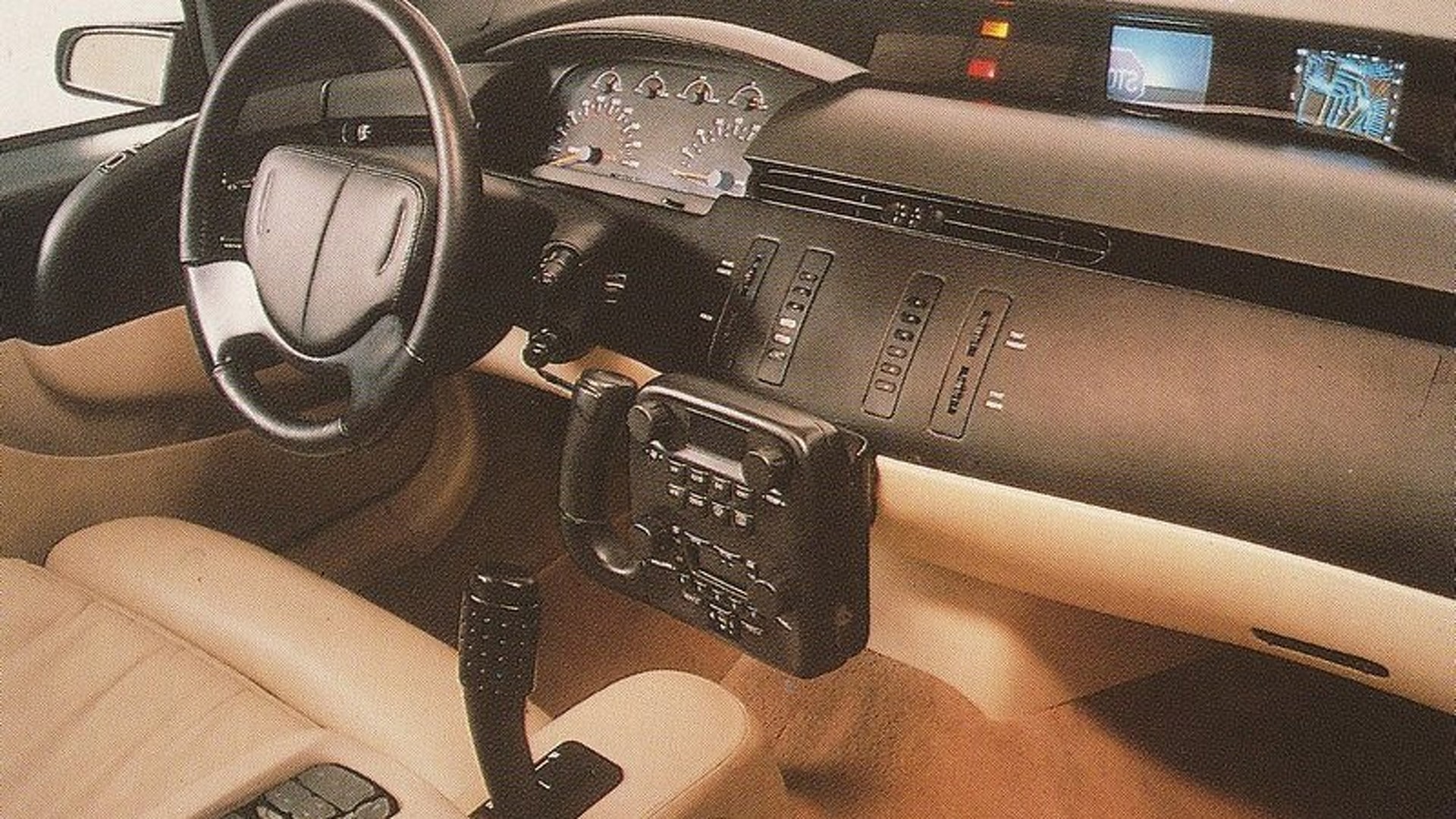
1988款凱迪拉克 Voyage:虛擬現實的夢想家
1988年 1 月,在通用汽車“合作與技術” (Teamwork and Technology)展覽會上,這款長達 212.6 英寸(5.4 米)的凱迪拉克Voyage 可以滿足現場觀眾對未來技術的所有期待!空氣動力學?車輛的風阻系數僅為0.28Cd;主動車身架構?車輛的前輪裙可隨著車身一起轉動;先進照明系統?車輛配備了LED 尾燈和轉向燈;傳感器?車輛有后視攝像頭。此外,這款 Voyage 還采用了“無鑰匙入車”、語音識別,及搭配路線指引和彩色顯示器的集成導航系統。記住,這所有讓人驚嘆的一切全部誕生于 1987 年。Voyage 的全輪驅動系統也同樣讓人印象深刻,官方聲稱這款車的最高時速可達 200 英里/小時(322 公里/小時)。
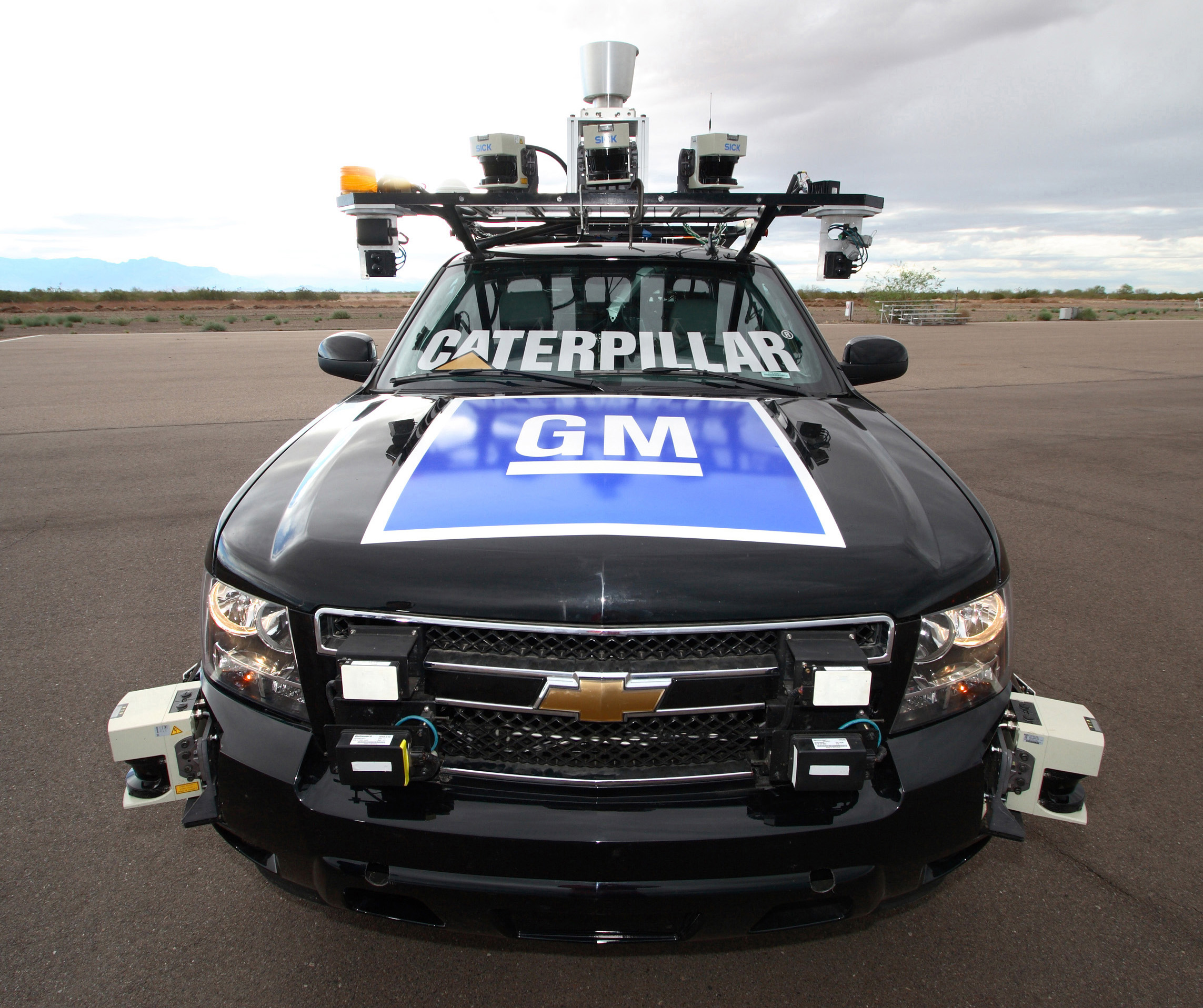
2007款雪佛蘭 Tahoe:自動駕駛的Boss
2007年,在一個純人工模擬的城市環境下,一款經過改裝的雪佛蘭 Tahoe 借助自動駕駛系統,安全地行駛在公共道路上。這款Tahoe 不僅贏得了第三屆 DARPA 挑戰賽的冠軍,更是創造了自動駕駛的歷史。DARPA 挑戰賽由美國國防部高級研究計劃署舉辦,旨在推進自動駕駛地面車輛相關使能技術的開發。這款綽號“TheBoss”的雪佛蘭卡車是卡內基梅隆大學和通用汽車公司攜手合作的成果,當時的開發團隊成員包括卡耐基梅隆大學的師生,及通用、卡特彼勒(Caterpillar)、大陸 (Continental) 和英特爾(Intel) 的工程師。
“TheBoss” 可以融合來自多個雷達、激光雷達和攝像頭的數據,并集成了 GPS 和一款來自 MobileEye 的視覺系統,可以估算其他車輛、靜態障礙物以及道路設施的位置,進而成功規劃路線并實現自動駕駛。
2010款 EN-V Jiao:“滑板”電動車
從許多方面來看,這輛誕生于 2010 年的電動原型車都與最早期的電動汽車非常相似。與許多早期的電動汽車一樣,EN-V 是一款專為城市出行而設計的兩座電動汽車。經過 100 多年的進化和創新,EN-V 與早期電動汽車最大的區別在于,這是一輛自動駕駛汽車。
EN-V(即Electric NetworkedVehicle,電動聯網汽車)的研發由通用先進研發部主管 Chris Boirroni-Bird 直接負責,是通用與全球著名電動平衡車制造商 Segway 合作研發的成果。這款車采用Borroni-Bird 和 Larry Burns 博士開發的緊湊型“滑板”平臺,并搭配了Segway 的電機。EN-V內部集成了GPS、車載傳感器和V2V 技術,其中很多都借鑒于DARPA 獲獎作品“TheBoss”。
EN-V采用可充電鋰離子電池供電,每次充電后至少可以行駛 25 公里(40 公里),且使用標準插座即可進行充電。
Automotive history is rife with examples that demonstrate autonomy is far from a new idea.
View gallery »
While auto engineers like to quip that vehicle electrification “is a century old and still in search of a battery,” it’s no joke that many of today’s “advanced” technologies are rooted in concepts first explored decades ago. Compared with the earliest speed control (1916) and remotely controlled cars (early 1920s), for example, even power steering is a relatively new thing.
Technology enthusiasts at SAE's WCX event in Detroit each year never miss the activities of SAE’s Mobility History Committee. For 2018, the energetic group draws attention to milestones on the route to the self-driving future. It’s “The History of the Future” told in WCX Learning Lab presentations and displayed in the rare, pioneering vehicles on the show floor, according to MHC chair Martin Rowell.
“After more than a century of innovation we have begun planning the launch of self-driving cars. No longer a futurist pipe dream, we can already see autonomous functionality at work on public roads,” Rowell noted. “The car of the future is almost here, and it will change everything—but how did we get here?”
Milestone vehicles in the “Road to Autonomy” display showcase that evolution. Additionally, the MHC also will present Technical Sessions in a 3rd floor Conference Room covering Early Automotive Aerodynamics & Streamlining; the WWI Liberty Truck (see sidebar below); Cars and Culture and the “alt-fuel” Stanley Steamer.
1956 GM Firebird II: Self-guiding road rocket
This titanium-bodied, turbine-powered wondercar was the second in a quartet of Motorama concepts, all dubbed Firebird, developed by GM from 1953 to 1959. Design chief Harley Earl was clearly inspired by the jet fighter aircraft of the period. His aim with the four Firebirds was to meld the latest in aerospace design and engineering within GM’s future road-vehicle vision.
While Firebird I was a narrow single-seater—like a fighter fuselage on four wheels—the Firebird II was wider and accommodated four people within its bubble-canopied cockpit. Titanium sheet was cutting-edge material in 1956, and the 200 hp (150 kW) gas turbine developed in house featured exhaust-heat recovery—it helped reduce thermal extremes on the car’s tail while also powering the accessories. And Firebird II featured a guidance system that enabled the car to drive itself by following electric signals from wire embedded in the roadway.
1912 Cadillac Model 30: No more cranking
The 1912 edition of the Model 30 was the first commercially available ICE-powered vehicle with Charles Kettering’s revolutionary Delco electric starter. As its advertising indicated, this Caddy was a game changer. The Delco starter system charged the car’s battery and was used to power the full electrical system. In one fell swoop, Cadillac eliminated the hand crank and robbed all electric vehicles (which were popular then) of their greatest asset: easy and clean starting.
1916 Scripps Booth Model C: Electric posh
Designed for ease of use, the Model C included a suite of electric amenities and an early speed control mechanism designed to allow the driver’s foot to rest on long journeys. To maintain a fixed speed the driver set a lever in the steering wheel to hold the throttle in position. The mechanism was released with a tap on the brake pedal. This staggered three-seat roadster also featured an electric starter, electric door latches, electrical headlights, and an electric “Klaxet” horn operated by depressing a button in the center of the steering wheel.
1918 Detroit Electric: EV convenience
This early example of electric vehicle technology was produced by the Anderson Electric Car Co. in Detroit. Introduced in 1907 and discontinued in 1939, the Detroit Electric ran on rechargeable lead-acid batteries and had a top speed of 20 mph (32 km/h). Owners were able to squeeze 80 miles (129 km) from a single charge in ideal thermal conditions. The company produced approximately 13,000 examples of this popular and long-lived early EV.
1940 Olds Hydra-Matic: 1st automatic
In 1940 GM’s Oldsmobile division introduced the first commercially available car with an automatic transmission. The Hydra-Matic was a game changer on the road to autonomy by taking the task of shifting gears out of the driver’s hands (and left foot). Availability soon expanded to Cadillacs. The new automatic was an immediate hit—GM sold 200,000 cars so equipped prior to WWII. During wartime, the Hydra-Matic was installed in the M5 Stuart and M24 Chaffee light tanks. Military duty gave GM engineers access to a unique pool of user data that allowed them to greatly improve the automatic in the postwar period.
1960 Cadillac Coupe DeVille: Cruise pioneer
Modern cruise control was introduced to the world on the 1958 Chrysler Imperial and shortly thereafter released as an option on the 1960 Cadillac Coupe DeVille. This system represented a substantial improvement upon the earlier forms of speed control. By calculating the ground speed based on driveshaft rotations using the rotating speedometer cable, the system was able to set the throttle position as needed with a bi-directional screw drive electric motor.
Development of the technology proceeded rapidly following the release of the feature in 1958. A decade later, RCA introduced a new version called Automotive Electronic Cruise Control. This invention added a digital memory to the device, which eventually allowed cruise control to be integrated with the yet-to-be-invented electronic accident avoidance systems and engine controllers, paving the way for the Adaptive Cruise Control of today.
1988 Cadillac Voyage: VR visionary
Unveiled at GM’s ‘Teamwork and Technology’ show in January 1988, the Voyage (say it with a French accent) previewed a remarkable serving of future tech within its huge 212.6-in (5.4-m) body. Aerodynamics? 0.28 Cd. Active bodywork? The front wheel skirts moved with the steering. Advanced lighting? LED rear lights and turn signals. Sensors? Rearview camera. Plus keyless entry, voice recognition and integrated navigation with route guidance and color screen. All designed in 1987. Equally impressive was the Voyage’s all-wheel-drive system and claimed 200-mph (322 km/h) top speed.
2007 Chevrolet Tahoe: Autonomy “Boss”
This modified Chevy Tahoe made history in 2007 by safely and autonomously navigating a shared road in a simulated urban environment to win the third DARPA Grand Challenge. The event was created by the U.S. Defense Advanced Research Projects Agency as platform to advance the technologies needed to develop autonomous ground vehicles. Nicknamed “The Boss,” the truck was a collaborative effort between Carnegie Mellon University and GM. The development team included CMU students and faculty, and engineers from GM, Caterpillar, Continental, and Intel.
Fusing data from multiple radars, lidar and cameras, a Position and Orientation System with integrated GPS and a MobileEye Vision System, the “Boss” successfully traversed the course by estimating the location of other vehicles, static obstacles, and the lay of the road.
2010 EN-V Jiao: ‘Skateboard’ EV
In many ways this 2010 prototype vehicle brings us back to where we began. Like the early electric cars, the EN-V is a two-seat, EV specifically designed for urban mobility. The biggest difference is that, as a product of over 100 years of evolution and innovation, the EN-V is an autonomous car.
Developed under GM’s head of advanced research, Dr. Chris Borroni-Bird, EN-V (electric networked vehicle) was a collaboration with gyroscopic-scooter maker Segway. It used the compact ‘skateboard’ platform concept developed by Borroni-Bird and Dr. Larry Burns, with Segway electric wheel motors. EN-V was embedded with a combination of GPS, vehicle-based sensors and V2V technology, much of which was extrapolated from the DARPA-winning “Boss” Tahoe.
Rechargeable lithium-ion batteries provide power and enable the little pod to achieve a minimum of 25 mi (40 km) operating range per charge, at which point the batteries can be recharged using a standard outlet.
SAE on the Western Front
SAE expertise developed the famous Liberty Truck that pioneered standardized military vehicle design—and helped win WWI.
Soon after World War I began in 1914, motorized vehicles slowly entered military service, supplementing horse-drawn cargo wagons. By the time the U.S. entered the war in spring 1917, the Allies were operating dozens of different motor trucks, from dozens of makers, on the Western Front. Little if any parts commonality existed among any of them.
This situation created a service and logistics nightmare for the Allied armies. In Paris, an entire 12-story building with hundreds of clerks was dedicated to managing over 2 million component part numbers for the army motor vehicles then in use, according to Albert Mroz, author of American Military Vehicles of World War I, An Illustrated History (McFarland & Co., 2009).
Taking a page from Henry Ford’s well-known playbook, U.S. Army Quartermaster Corps planners moved quickly to develop specifications for a standardized truck design that could be produced rapidly by industry. The call to action was amplified by the influential trade journal The Automobile and Automotive Industries which editorialized, “For every hour of delay, men will die sudden and horrible deaths.” Presumably the writer meant death on the battlefield rather than in the parts office in Paris.
The young Society of Automobile Engineers played a major role in developing the standardized vehicle that soon became known as the Liberty Truck. A group of SAE members, mostly employed by truck makers and all ‘on loan’ from their companies, spearheaded the Liberty program. In August 1917, the 50-strong team began work to meet the Army’s specs. The aggressive production date was just six months away.
Trucks of two primary payload ratings were developed. The 1½-ton (1360-kg) model was called the Standard A. There was far greater demand for the larger 3- to 5-ton (2722-kg to 4536-kg) Standard B model with 160-in (4064-mm) wheelbase; it became the Liberty.
Meantime, 150 suppliers were engaged to produce the 7,500 parts in the bill of material. The Liberty’s powertrain featured a 4-cylinder, 424-in3 (6.9-L) gasoline engine, with cast aluminum crankcase and cast-iron cylinders and heads. Bore and stroke measured 4.75 x 6 in (121 x 152 mm). Supplied by engine makers Continental, Waukesha, and Wisconsin, the mammoth four generated 52 hp (39 kW). Spark was provided by two separate (magneto and battery type) ignition systems to ensure reliability.
A 4-speed transmission and worm-drive rear axle completed the robust driveline. Testing showed the unladen Standard B Liberty to be capable of 15 mph (24 km/h).
The Army selected 15 truck manufacturers, including famous marques Brockway, Diamond T, Packard and Pierce-Arrow, to produce the Standard B Liberty. Their factories began shipping the first of 7,500 Liberty Trucks to France in February 1918—about 11 weeks after development began.
Other OEMs not included in the program developed their own models for military use. Mack, for example, delivered over 6,000 of its famous AC “Bulldog” model, beloved by British and U.S. forces.
Developed with SAE expertise, the Liberty Truck helped win WWI and established U.S. military vehicle standardization. More than 9,300 examples were produced before the remaining 43,000-unit order was cancelled following the Armistice on November 11, 1918. — Lindsay Brooke
Author: E.Anden&L.Brooke
Source: SAE Automotive Engineering Magazine
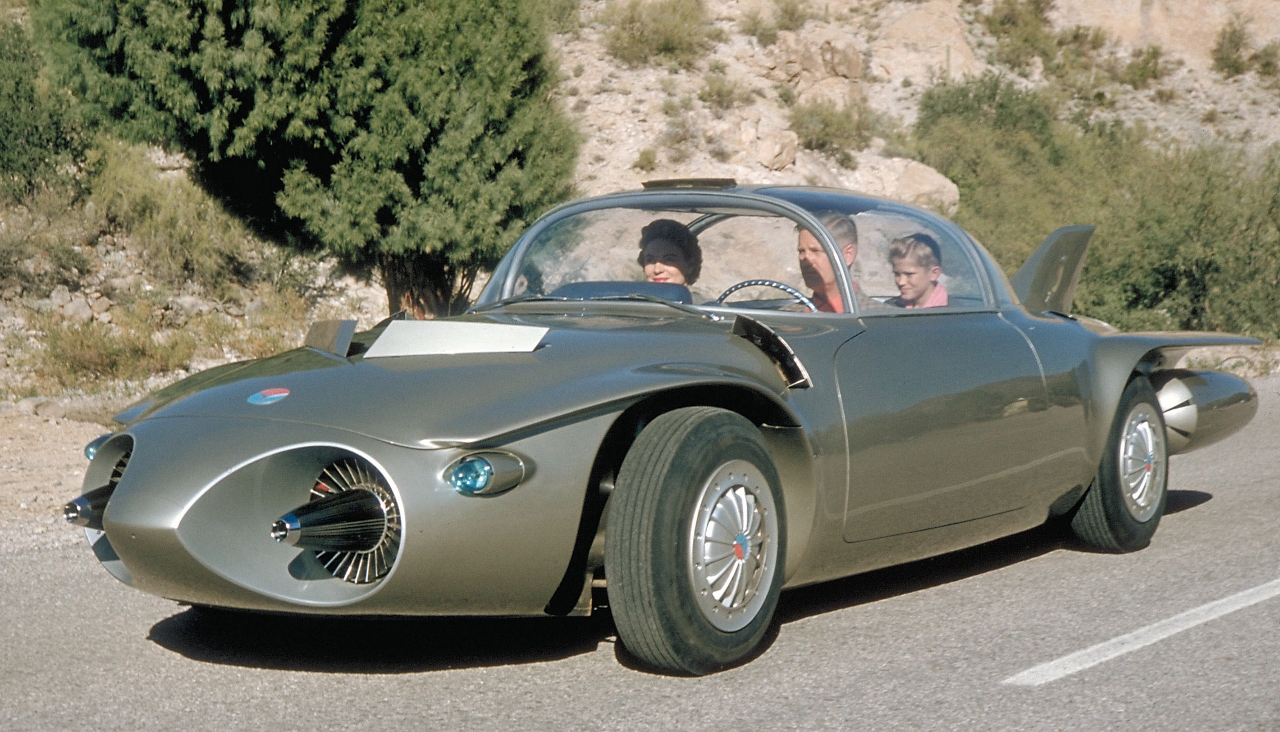 從“古董汽車”到“自動駕駛”:1956 款通用 Firebird II 概念車已經搭載了一套車載“指引”系統,可進行無人駕駛操作。(圖片來源:通用汽車)