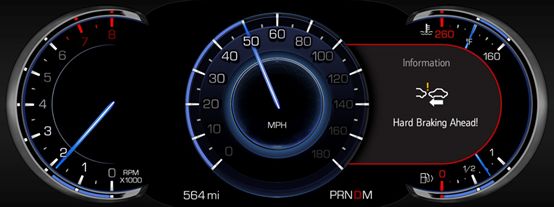
今年1 月,2018 年 SAE 政府/行業大會在美國華盛頓盛大召開。會上,專家學者繼續就自動駕駛通信網絡的最佳實現方法展開激烈討論。
在一個有關互聯汽車技術的分會中,蜂窩網絡通信巨頭AT&T 公司再次重申,公司將在今年晚些時候,為部分區域的用戶提供超高速移動 5G 通信服務。
盡管 5G 蜂窩網絡通信技術似乎最能滿足自動駕駛系統 (ADS) 的安全通信需求,但會上的另一位發言人也表示,作為5G 技術的“老對頭”,DSRC的故事“并未結束”。
AT&T 公司物聯網解決方案產品開發主要技術人員Zach Carter 表示,過去較長一段時間中,公司一直在為 5G 技術的部署打基礎,并稱 5G 技術是“使互聯生態系統成為現實的”重要途徑,可以讓我們真正迎來 V2V、V2I 及無窮無盡的各種聯網設備。
Carter 表示,除理論速度高達 400 Mbps 之外,5G 技術還具有超低延遲、高吞吐量和“可支持大規模連接”等眾多優勢。他補充說,新的5G 服務采用基于標準的架構(這對未來的大規模普及非常重要),并由一個名為 Network 3.0 Indigo 全新軟件平臺進行支持。
在會議結束后不久,通用汽車全球安全總監 John Capp 表示,盡管很多人都對DSRC 在 5G 技術普及后的實用性有所質疑,但作為 5G 技術在ADS 相關車輛通信領域的“主要競爭對手”,這種短距離通信技術的“故事仍沒有結束”。Capp 還提醒說,通用旗下的 2017 款凱迪拉克 CTS ,是全球首款具備 DSRC 功能的量產車型。
DSRC 的支持者認為,DSRC 技術的現有通信范圍已經可以達到半徑 300 米(984 英尺),而 5G 通信還尚未走到試點階段。不過,應用DSRC 技術還需要配備專用的網絡基礎設施,而蜂窩網絡通信所需的支持設施基本已經就位。
AT&T 的 Carter 介紹說,公司已經展示了一種“橋接”系統,可將 DSRC 與蜂窩網絡 LTE 服務結合起來,進而讓 DSRC 的傳輸范圍擴展至 300 米之外。據了解,AT&T 的“橋接”技術演示是在 2017 年與德爾福 (Delphi) 和福特 (Ford) 合作完成的。
At the 2018 SAE Government/Industry meeting in Washington, DC, experts continue to discuss the best method for automated-driving communication networks.
View gallery »
In Washington, DC, at the 2018 SAE Government/Industry meeting this week, cellular-communications giant AT&T affirmed in a session on connected-vehicle technology that it will launch ultra-fast mobile 5G service in limited areas sometime late this year.
And although 5G cellular communications promises to be a near panacea for the safety- and security-related communication needs of vehicles with automated-driving systems (ADS), another speaker at the conference asserted that 5G’s longstanding rival technology, dedicated short-range communications (DSRC), “is still alive.”
Zach Carter, AT&T’s principal member of the technical staff of IoT Solutions product development, said the company “has been laying the groundwork for some time,” for 5G deployment, calling 5G “a strategy to enable a connected ecosystem” for vehicle-to-vehicle (V2V) and vehicle-to-infrastructure (V2I) communication, as well as for an endless list of other internet-connected devices.
AT&T announced in early January that it will introduce mobile 5G service in a dozen U.S. markets in late 2018.
Carter said that in addition to theoretical speeds up to 400 Mbps, 5G offers extremely low latency, high throughput and “massive connectivity” capability. He added that the new 5G service will be standards-based (a crucial point for future universal adoptability) and will be backed by an all-new software platform called Network 3.0 Indigo.
Shortly after in the conference session, John Capp, director of global safety at GM, stated that DSRC, cellular technology’s chief competitor in ADS-related vehicle communications, is “still alive,” although many have questioned DSRC’s usefulness if 5G cellular service become ubiquitous. Capp reminded that GM’s Cadillac brand made the 2017 CTS the first production vehicle to be fitted with DSRC capability.
Advocates of DSRC point out that the technology, which has a range limited to about 300 m (984 ft), is available right now, while 5G has not yet reached pilot-program deployment; DSRC requires dedicated infrastructure, however, and the costs associated with a widespread buildout that already is in place for cellular communications.
AT&T’s Carter reminded that the company has demonstrated a “bridge” system that combines DSRC with cellular LTE service to transmit DSRC signals beyond its 300-m range. That demonstration was conducted with partners Delphi and Ford in 2017.
Author: Bill Visnic
Source: SAE Automotive Engineering Magazine
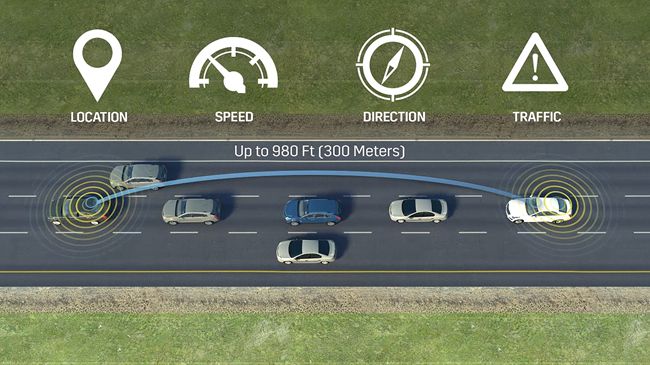 通用汽車推出 2017款凱迪拉克 CTS,展示了 DSRC (專用短程通信) 技術在車輛通信方面的部分潛力。此外,2017 款凱迪拉克CTS 也是全球首款具備DSRC 通信功能的量產車型(圖片來源:通用汽車)。