約翰迪爾動力系統(JDPS / John Deere Power Systems) 公司控制系統與排放合規部技術經理 Gui Xinqun 博士表示,自己在未來動力系統展望方面“相當保守”。他說,“我認為,在很長一段時間內,內燃機仍將在汽車中占據一席之地。”盡管如此,Gui博士對“智能”后處理系統在車輛中的應用,及機械動力電動化方面的預測,卻一點也不保守。
今年 9 月18 到 20 日舉辦的SAE 2017 商用車工程年會期間,Gui博士受邀參加了動力系統集成技術分會嘉賓討論。他接受了SAE《卡車與非公路工程》雜志主編Ryan Gehm 的采訪,介紹了一些 JDPS 公司的最新技術和項目開發情況。
SAE: 對JDPS來說,滿足歐五排放規定要求是否還存在挑戰?
Dr. Gui: JDPS 已經準備好迎接歐盟 Stage V 規定的到來。事實上,目前,我們絕大多數符合 Tier 4 (Final)/歐四法規要求產品,已經可以達到歐五的排放標準要求。從我們的Interim Tier 4/Stage IIIB 發動機產品開始,公司一直在使用可以達到歐五排放法規要求的相關技術,累計使用時長超過4.25 億小時。憑借所積累的豐富經驗,我們在向歐五標準過渡的過程中處于非常領先的位置。
SAE: 您認為哪種先進燃燒策略能夠最大限度地滿足更嚴格的排放限制要求?
Dr. Gui: 我們的低湍流燃燒技術取得了一定成功。這種燃燒技術的排放水平很低,而且由于氣缸內的熱量損失最小,因此還具備不錯的流體效率。目前,公司有部分拖拉機產品已經采用了低湍流技術,效果非常不錯。未來,我們還將在更多產品中應用這一技術。談到燃燒技術,我們需要繼續著眼于氣缸、氣缸蓋、空氣系統及燃料噴射參數等關鍵發動機設計要素,密切關注細節的優化。發動機設計從來都不能僅關注某一個點,而是要從各個方面入手,實現系統的整體優化。
SAE: 低溫燃燒技術是 JDPS 的研究重點嗎?
Dr. Gui: 作為世界首家非公路設備制造商,JDPS 一直以提供各類可靠的商用冷卻 EGR 系統而著稱。EGR 系統正是低溫燃燒技術的基礎,各種形式的低溫燃燒都必須借助冷卻 EGR 技術來實現。在非公路設備市場,由于灰塵、砂石、極端工作溫度和劇烈震動的存在,工況更加嚴苛,EGR系統面臨的挑戰也更大,會影響到設備的可靠性。因此EGR 系統必須足夠強健,以適應各種嚴苛的工作環境。低溫燃燒和低湍流燃燒技術都是JDFS 公司不斷創新的動力。
SAE: JDFS 公司后處理技術有什么最新進展?
Dr. Gui:設備減重和封裝優化仍是我們的首要任務。這很好理解,隨便打開任何一輛拖拉機的引擎蓋,里面一定塞得滿滿當當,沒剩多少空間。在這種情況下,封裝優化和設備減重就顯得非常重要了。從技術方面來說,JDFS公司一直在努力借助創新的催化劑技術和排放控制校準,推動后處理系統的小型化。我們的下一代后處理解決方案可以成功縮小20% 的體積,并減重 40% ,這可以使封裝設計更加靈活,設備安裝也更加便利。我認為,封裝優化和設備減重是未來的大趨勢,這在未來幾年內都不會改變。
SAE: 如何在未來幾年內實現更高的封裝效率?
Dr. Gui:精益求精,永遠是產品設計中不可或缺的一部分,JDFS 也一直在堅持持續改進。我們的先進非對稱基板具有進氣通道和出氣通道尺寸不同的特點,此類新型基板技術可以幫助提高封裝效率,帶來更好的減重效果。另一種值得關注的提效解決方案,是采用“更高效”的催化劑。具體來說,“高效”是指同樣計量的催化劑,可以在更大的溫度范圍內發揮作用,提高物質的轉化率。此外,由于使用了更高孔隙率的基板,制造商還可以在空間大小不變的情況下加入更多的催化劑。以上三個例子,僅僅是有望協助發動機制造商實現進一步改進的部分技術實例而已。
SAE: 電子控制技術領域現在發展怎樣?
Dr. Gui:我們預計,未來將出現一款全新的發動機電子控制系統。該系統將采用多核處理器,控制和診斷功能都得到進一步提升。我認為,由于未來的先進發動機控制單元(ECU) 將能夠對發動機及診斷系統的性能提供更強有力的控制,因此對傳感器的依賴將有所降低。在傳感器方面,我們的目標是將傳感器的數量減少到最低限度。雖然并不知道最終我們的產品到底會需要多少個傳感器,但無論如何,我們將不遺余力地減少每一代產品所需的傳感器數量。我們的目標是延長設備的“正常運行時間”,能讓設備每天都能為用戶正常工作,這是我們最為關注的。
SAE: 仿真技術在改善減排效果方面作用如何?
Dr. Gui:仿真技術在改善減排效果方面的作用巨大。我們的基本目標是在確保發動機能夠正常工作前,盡量推遲打造發動機原型的時間。在投入原型建造工作之前,我們希望能夠準確預測發動機的性能、可靠性、耐用性和成本,而仿真技術能夠有效幫助我們實現這一目標。目前,我們已經取得了很大的進展,未來還將繼續投資開發仿真技術,從而優化我們的設計、開發、校準、校驗和驗證活動。
SAE: 在未來幾年中,汽車領域還將出現哪些新技術呢?
Dr. Gui:我認為,在未來的幾年里,電子控制系統領域的投資將繼續增加。發動機的智能水平和功能性都將更強,這不僅僅是指排量或功率,還包括更可靠的運行表現,這也是大家的共同期望。另外,系統的遠程信息處理、遠程診斷和預后功能也將繼續增強。我認為,這些功能將更加完備,覆蓋到更多的設備,而且也將越來越智能化。此外,我們有望取得進展的另一個領域是設備電氣化。JDPS公司通過 644k 和944k 混合動力裝載機的研發,在電力驅動方面積累了豐富經驗。我認為,未來大家將在電力驅動系統的整合與應用,及相關電氣化產品的研發方面看到更多進展。
SAE: JDPS 是否還在開發其他的替代能源動力系統?
Dr. Gui:我們致力于為客戶提供最佳的動力系統解決方案,滿足客戶的各種應用需求。為此,我們正在不斷研究多個領域中的新技術和新進展,其中肯定也包括替代能源動力領域。然而,正如我之前說過的一樣,我在未來動力系統展望方面“相當保守”。我認為在相當長的時間內,內燃機仍將活躍在汽車舞臺上。”非公路設備市場要求很高,相關產品必須能夠滿足比道路車輛更加嚴苛的工況要求,因此非公路設備的發動機需要能量密度足夠高的燃料,才能滿足作業的動力需求。當然,非公路設備的動力需求水平也各不相同,這也使得在某些領域的替代能源解決方案具備發展的可能性。
Dr. Xinqun Gui, Manager of Technology, Control Systems and Emissions Compliance for John Deere Power Systems (JDPS), considers himself to be “fairly conservative” in terms of his powertrain outlook: “I think the internal combustion engine as we know it today still has a pretty long life ahead.” Even so, his expectations for improvements in engine “intelligence,” aftertreatment packaging, and machine electrification are anything but conservative.
Gui, who will be a panelist in the Powertrain System Integration technical session taking place at SAE COMVEC 17, from September 18-20 (http://www.sae.org/events/cve/), recently spoke with Editor-in-Chief Ryan Gehm about some of the latest technologies and development efforts at JDPS.
Any challenges left in meeting Stage V regulations?
John Deere is ready to meet Stage V regulations. In fact, most of our Final Tier 4/Stage IV products are already Stage V ready today. We’ve been using the technology needed to meet Stage V emissions since our Interim Tier 4/Stage IIIB engines and have over 425 million hours using the technology. Because of this experience, we are positioned very well for the transition to Stage V.
What advanced combustion strategies do you foresee making the greatest impact to meet stricter emissions limits?
We have been successful with low turbulence combustion. It offers low emission levels and is fluid efficient due to minimal heat loss in-cylinder. We applied low turbulence technology to some of our John Deere tractors with very good results and will continue to apply it in future products. In terms of combustion technology, we need to continue to consider engine design elements such as power cylinder, cylinder heads, air systems, and fuel injection parameters. We pay close attention to details. It’s not one single thing, but rather a variety of refinements for system optimization.
Is low-temperature combustion a major focus at JDPS?
John Deere has an established record of reliability since becoming the first off-highway engine manufacturer to widely commercialize cooled EGR, which enables low-temperature combustion. Every form of low-temperature combustion utilizes cooled EGR technology today. In the off-highway market, EGR has been a bit more challenging than on-highway due to the rigors of those applications, such as dust, debris, extreme operating temperatures, and vibration, which if not addressed can cause reliability concerns. The technology has to be robust enough in every environment. Low-temperature combustion along with the low turbulence combustion for higher efficiency is [the impetus] for innovation.
What’s the latest in aftertreatment technology?
Weight and packaging continue to be a primary focus. When you open the hood on a tractor, for example, there isn’t much space left for the addition of anything else. Optimizing the packaging and reducing weight are very important. From the technology side, John Deere has been working to leverage new catalyst technologies and emissions control calibrations to enable the downsizing of aftertreatment. Our next-generation aftertreatment solutions deliver greater package flexibility and offer easier installation while providing up to a 20% reduction in size and up to 40% reduction in weight. The focus upon optimizing packaging and weight reduction are trends I expect to continue for the next several years.
How can you achieve more packaging efficiency in the next several years?
Refinement is always part of engineering, and continuous improvement is what we do. New advanced substrate technologies like an asymmetric substrate, which features a different size for the inlet channel versus the outlet channel, is an example of a potential technology that may allow manufacturers to achieve more packaging and weight reduction efficiencies. Another potential avenue might be higher efficiency catalysts—the same amount of catalyst working at a higher conversion efficiency across a broader temperature range. And with higher porosity substrate, you can also put more catalyst into the same volume. So those are just three examples of technologies that engine manufacturers could potentially leverage for further improvements.
How about electronic controls—what’s going on in that area?
In the future, we anticipate there will be a totally new generation of engine electronic control systems that will be more capable, with multicore processors and advanced capability in controls and diagnostics. I think we’ll actually see less reliance upon sensors as advanced engine control units (ECUs) will offer greater control of engines and diagnostics performance. In terms of sensors, my goal would be to reduce the number of sensors to the minimum necessary. We’ll try to reduce the number of sensors necessary in every generation of our products; we don’t necessarily know exactly where that will end. One of our mantras is uptime—the product has to work for the customer each and every day. That’s a primary driving factor more than anything else.
What is simulation’s role in improving emissions reduction?
Simulation plays a huge role in improving emissions reduction. Our intent is to delay building a prototype engine until we have confidently predicted how the engine is going to perform. We want to be able to predict engine performance, reliability, durability, and cost—all of that—before we build any prototypes. That’s our vision. We’ve made a lot of headway with this, and we’ll continue to invest in simulation platforms that aid our design, development, calibration, verification, and validation activities.
What can we expect technology-wise in the years ahead?
In the coming years, I think we’ll see continued investment in electronic control systems. Engines will become smarter and more capable—not only in terms of lower emissions or higher power, but more reliable to run in the way people want. Telematics and the remote diagnostics and prognostics capabilities of those systems will continue to expand. I think those capabilities will become more and more readily available, as well as more intelligent. Another area of advancement we expect to see continue is electrification—John Deere has extensive experience with electric drives due to our 644K and 944K hybrid loaders. I think you will continue to see more advancements in the integration and use of electric drives and similar electrification of products.
Any other alternative power sources that JDPS is pursuing?
We are committed to offering our customers the best power solutions for their specific application needs. To that end, we are continually examining new technologies and advancements in many areas, which may include alternative power sources. However, my view is pretty conservative—as I mentioned before, I think the internal combustion engine as we know it today still has a pretty long life ahead. The off-highway market is very demanding and requires a product that can stand up to many more rugged demands than those used in on-highway applications. Due to these demands, off-highway engines need a fuel source that has enough energy density to meet the power needs of those applications. Of course, even off-highway applications can vary in their degree of demand, which can present opportunities for alternative power sources in some niches.
Author: Ryan Gehm
Source: SAE Automotive Engineering Magazine

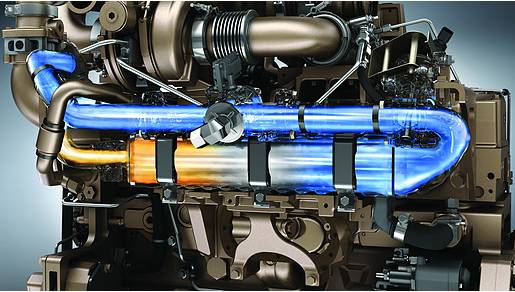 JDPS 公司 PowerTech PSS9.0L 工業柴油發動機采用的后處理和冷卻 EGR 系統。這款發動機符合美國環保署 Tier 4 (Final) 排放法規要求。(圖片來源:JDPS)
 未來,JDPS 公司還將推出更多采用電力驅動的設備。公司控制系統與排放合規部技術經理 Gui Xinqun 博士表示,“電力驅動設備的效率更高,更重要的是,相應的管理系統也更加智能。”(圖片來源:John Deere)
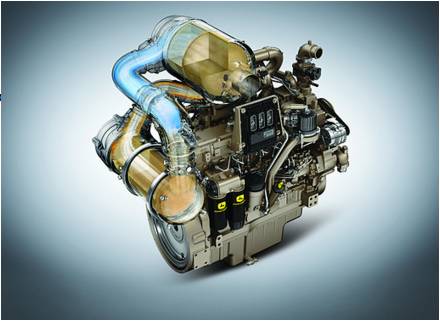 JDPS 公司 PowerTech PSS9.0L 工業柴油發動機采用的后處理和冷卻 EGR 系統。這款發動機符合美國環保署 Tier 4 (Final) 排放法規要求。(圖片來源:JDPS)