自 1947 年推出 Tama 電動車到最近展示的 ZEV BladeGlider 先進電動跑車概念原型,日產 (Nissan) 對電動動力系統(tǒng)研發(fā)從未停歇。這家汽車制造商一直在不斷改良電動推進系統(tǒng)解決方案,而電動汽車技術的研發(fā)仍有很長一段路要走。
繼 2010 年推出世界上首款現代純電動乘用車后,日產 (Nissan) 一直將自身定位為零排放汽車(ZEV)技術領導者。據了解,第二代聆風 (Leaf) 將在今年 9 月上市。
目前,日產歐洲公司 (Nissan Europe) 正帶領一個英國研究團隊開展“高能量密度電池 (HEDB) 項目”(High Energy Density Battery - HEDB),聯手研發(fā)下一代高能量密度電池,為電動車和混合電動車提供高性能的多功能電池系統(tǒng)。目前,日產的電動汽車電池組生產仍在英國的桑德蘭工廠進行。
簡單來說,該研究團隊將通過多項具體試點項目,實現電池產品的多樣化和工藝改進。作為項目的核心成員之一,Hyperdrive Innovation 公司創(chuàng)始人、常務執(zhí)行董事 Stephen Irish 最近接受了《國際汽車工程》的采訪。 Irish 指出,盡管電池化學領域在最近幾年中已經取得了大量進展,“但并未出現可以顯著優(yōu)化電池密度的‘神奇’解決方案。”然而,Irish 認為,憑借“高能量密度電池”項目取得的電池組級優(yōu)化成果及 Hyperdrive 公司的電池管理系統(tǒng) (BMS),電動汽車電池的使用壽命和能效均能得到保證,并可以支持“機會充電”(opportunity charging)。
電池開發(fā)工作的重點在于深刻理解特定車型的占空比,并時時權衡成本。Irish 表示:“如何才能取得最大價值?車輛或設備的使用頻率如何?如何進行充電?能源又從哪里來?我們總是不斷問自己這些問題。”此外,電池的開發(fā)也不能忽視車輛重量、電子元件及其工作方式的相互影響。
盡管 Hyperdrive 公司的主要任務是電池管理系統(tǒng)的開發(fā),但創(chuàng)新的化學解決方案也是公司需要投入精力的地方。這家公司最近已經開始進行鋰硫電池的相關研發(fā)。理論上講,鋰硫電池的能量密度可以達到鋰離子電池的 5 倍。不過,Irish 透露,鋰硫電池目前仍處于研發(fā)階段,且在真實世界中也可能無法達到理想能量密度。
“我們雖然不是化學家,但也必須了解電池化學領域的最新進展,并將其充分融入至我們的技術研發(fā)和產品設計中。”Irish 解釋說,“與OEM一樣,我們也需要清晰的產品上市路線。”
電池尺寸很重要
Irish 說,由于電池市場中存在一些“極端用戶”,要解決的問題有時會變得更加復雜。其中一部分極端用戶并不關心電池壽命,一心只想著最大程度地延長電池工作時長、提高電池儲能容量以及縮短電池充電時間;而另一部分極端用戶則最看重電池及其相關電子系統(tǒng)的使用壽命,以及在電池產品的完整生命周期中實現電池價值最大化。
Irish 表示,“我個人傾向于盡量縮小電池體積,只要可以滿足車主的日常通勤需求即可,這可以同時降低重量和成本。大多數人開車也只是上上班而已,并不會像自己以為的那樣,會經常進行長距離駕駛。”然而,值得注意的是,最終用戶總是希望獲得更長的續(xù)航里程,這也是我們需要面對的市場壁壘以及必須克服的挑戰(zhàn)。”
Irish 指出,在放電率維持在 80% 的情況下,典型電動汽車電池的使用壽命通常在 5000 到 6000 次充放之間。但如果放電率達到 100%,電池的使用壽命則將縮短三分之二。此外,一些二級再用系統(tǒng)的應用,也將有助于電池取得最高能效。
降低電池和電池管理系統(tǒng)的成本是一場持久戰(zhàn),其中通用化設計可以實現的規(guī)模經濟效益非常顯著。Irish 解釋說,“如果我們選擇定制系統(tǒng),則必須重復支付一次性工程費用(NRE),而考慮到研發(fā)工具和驗證測試需求,這筆開支可能非常龐大。”對比之下,Hyperdrive 公司打造的一系列標準模塊化產品不但可以降低成本,而且還能縮短產品上市時間。
此外,Hyperdrive 公司還設計了一款適用于商用車輛和部分非公路設備的模塊化電池系統(tǒng)。此外,Hyperdrive 公司還聯手德事隆(Textron) 旗下 Douglas Equipment 公司,設計了一款后推式輕度混合牽引器。
低溫運行技術研究
低溫運行是電動汽車研發(fā)工作中最值得關注的領域之一。為了積累相關經驗,Hyperdrive 還聯手英國南極科考隊,共同開展聯合項目。一些低電流應用主要采用非牽引型電池,該項目的研究目的是盡量了解電池及其相關系統(tǒng)在接近零下 50°C的極端低溫下的性能。一般來說,內燃機在極端低溫下的性能很差,通常需要通宵預熱發(fā)動機。
Irish 對電動汽車在低溫(盡管不是極端低溫)下的表現非常有信心。他說,“由于電動汽車通常需要在夜間充電,因此早上的車艙環(huán)境將會較為溫暖舒適,擋風玻璃也不會結霜。”
Irish 表示,Hyperdrive 公司在進行電池管理系統(tǒng)研發(fā)時已經考慮了溫度的要求,該系統(tǒng)將通過主動控制電池充放電,盡量避免對電池的損害。然而,一些應用場景仍離不開熱管理系統(tǒng)。
Irish 的工作經驗非常豐富,曾多次參與捷豹路虎 (JaguarLand Rover) 和 NSK轉向系統(tǒng) (NSK Steering Systems) 的開發(fā)項目。Irish 在 5 年前成立 Hyperdrive公司,目前與日產的合作包括在各類電動車中安裝采用日產電池技術的高性能系統(tǒng)和電池儲能系統(tǒng)。另外,日產歐洲聯合研究團隊中的其他成員包括:華威制造集團 (Warwick Manufacturing Group)、華威大學 (University of Warwick)、紐卡斯爾大學 (Newcastle University)、零碳未來公司 (Zero CarbonFutures) 等。
It’s been a long road for Nissan from its 1947 Tama EV to its advanced prototype ZEV BladeGlider sports car, but that road still stretches to—and far beyond—the technology horizon, as it continues to refine electric propulsion solutions.
The company claims world leadership in ZEV technology following the 2010 introduction of the Leaf EV, the first modern-era battery-electric passenger car. The second generation Leaf will make its premiere in September.
As previously reported in Automotive Engineeering (http://articles.sae.org/14604/), Nissan Europe is leading a U.K. consortium to research and develop future generation batteries via the High Energy Density Battery (HEDB) project. Its aim is to deliver multifunctional battery systems for EVs and HEVs. Nissan manufactures EV battery packs at its Sunderland, U.K. plant.
The consortium will embrace pilot projects, product diversification and process improvement. A key member is Hyperdrive Innovation, whose founder and Commercial Managing Director, Stephen Irish, spoke recently with AE. He noted that while substantial improvements in cell chemistry have been made in recent years, "there is no magic solution regarding enhancing energy density." However, he sees potential for pack-level improvements through the consortium as well as the Battery Management Systems (BMS) developed by Hyperdrive to ensure cell longevity and efficiency while accommodating "opportunity charging.”
Vital to battery development work is understanding the duty cycles of specific vehicle types as well as cost, said Irish: “We ask ourselves where best value will be achieved—how, and how frequently, a vehicle or machine is to be used, how it’s charged, where the energy comes from." Making that energy go further concerns vehicle weight and power electronics and how they work.
While Hyperdrive’s focus is BMS development, novel chemistry solutions need to be considered, too. The company has recently worked with lithium sulfur which, in theory, can deliver specific energy density that is five times that of lithium-ion. However, Li-S is still in development "and in the real world it could be less," Irish said.
"We are not chemists but we do need to know about these developments to spot trends and to be able to develop our technologies and absorb them into our products," he explained. "For us, just as for an OEM, there has to be a clear route to market.”
Battery size matters
Sometimes, that market is complicated by what Irish terms “extreme outliers”—users who care less about a battery’s life and just want to max up-time and extract as much energy as possible from it and also charge it as quickly as possible. The other extreme concerns users who require optimal longevity for the battery and its associated electronic systems, to achieve best possible value over time.
“Personally, I would argue for the smallest battery possible for a daily commuting vehicle, saving weight and cost. Most people do not drive as far in a week or month as they think they do," Irish said. "However, it is still the market barrier of increased range that end-users want. It has to be overcome.”
Typical EV battery life expectancy is 5000 to 6000 cycles at consistent 80% discharge rates, Irish noted. Taking it to 100% discharge cuts its life by two-thirds, he said, adding that secondary re-use applications will help harvest maximum value from the cells.
Getting battery and BMS costs down is a constant battle. Achieving economies of scale is significant; supporting this is designing for commonality. “If we do bespoke systems we have to pass on non-recurring engineering (NRE) costs, which can be substantial in terms of tooling and validation testing," Irish explained. A more standard suite of products, as Hyperdrive has created, allows on-costs to be reduced while enabling faster time-to-market.
Hyperdrive also has designed a modular universal battery suitable for commercial vehicles and some off-highway applications. Together with Douglas Equipment, part of Textron, the company has developed a push-back mild hybrid tractor.
Low-temperature research
A particular area of concern for EVs is low-temperature operation. To gain experience, Hyperdrive carried out a project with the British Antarctic Survey team. Batteries were non-traction types with low current applications. The research aim was to learn as much as possible about battery and associated systems’ performance at temperature extremes of around -50°C. ICEs have problems at very low temperatures and need overnight engine heating.
Irish is confident of EV performance meeting low temperature challenges, albeit not down to extreme levels. “And an electric vehicle charging overnight will be warm in the morning with comfortable cabin and clear windshield.”
Hyperdrive's BMS has been developed to take account of temperature; it actively controls charge and discharge of the battery cells to obviate potential damage but thermal management would be needed in some applications, said Irish.
Following a broad range of engineering experience, including development projects at Jaguar Land Rover and NSK Steering Systems, Irish established Hyperdrive five years ago. Its partnership with Nissan includes installation of high performance systems incorporating Nisan cell technology into various EV and battery energy storage systems. Other consortium members are: Warwick Manufacturing Group, University of Warwick; Newcastle University; and Zero Carbon Futures.
Author: Stuart Birch
Source: SAE Automotive Engineering Magazine

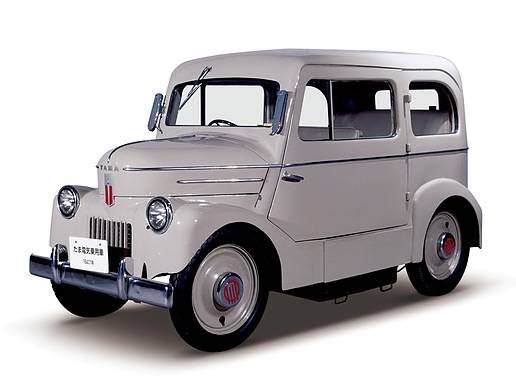 日產公司的電動傳動系統(tǒng)研發(fā)始于 1947 年的 Tama 電動車。(圖片來源:日產)
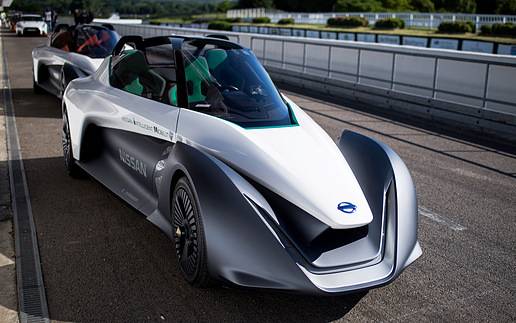 日產公司的BladeGlider 電動概念跑車預示著未來電動跑車的發(fā)展形態(tài)。(圖片來源:日產)
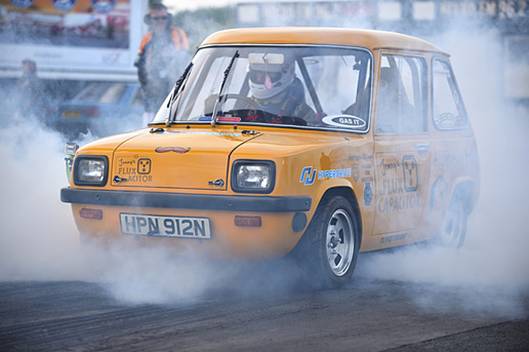 Hyperdrive 公司是 Flux Capacitor 的電池技術供應商。圖中的 1970 款電動 Enfield 8000 曾在 2016年“四分之一英里沖刺賽”中取得了 9.86秒的好成績,達到了破紀錄電動汽車車速 121mph(194.7km/h)。據了解,這些電池最初是用于貝爾超級眼鏡蛇 (Bell SuperCobra) 直升機的起動系統(tǒng)。(圖片:Jonny Smith)
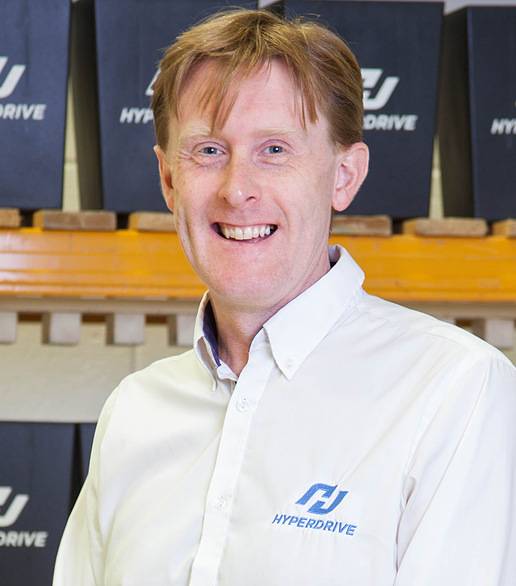 Hyperdrive Innovation 公司創(chuàng)始人 Stephen Irish 是“高能量密度電池”(High Energy Density Battery) 項目的核心成員之一,他認為汽車電池僅需滿足車主的日常通勤需求即可。(圖片來源:Hyperdrive Innovation)