2015年,采埃孚集團(ZF)成功收購美國天合(TRW),超級巨頭一夜崛起。憑借兩家公司在行業領域、財務方面和電子技術方面的實力,合并后的新公司將給全球所有其他主要一級供應商帶來嚴峻挑戰。
由于兩家公司也采用了“戴姆勒-克萊斯勒”式的“對等合并”,部分觀察人士可能會質疑采埃孚的收購邏輯,或者說這兩家集團的公司文化是否存在致命性差異。
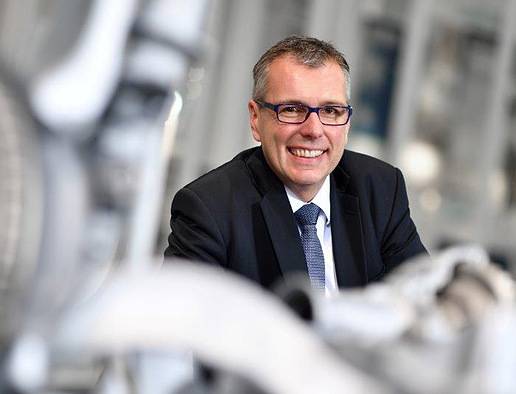
不過,采埃孚汽車底盤技術部門負責人Holger Klein博士認為,這兩家公司擁有共同的愿景,強強聯手有百利而無一害。“歸根結底,本次合并的動因是‘我們想為客戶提供完整的底盤系統’,而天合可以提供我們所不具備的部件和技術能力。”Klein在最近一次與《國際汽車工程(AEI)》的采訪中表示,“我們兩家公司均著眼于安全、效率和自動駕駛等方面的發展,彼此的產品結構也相當互補。”
采埃孚也許還可以選擇收購擁有類似背景的小型公司,但對于天合,本次收購則是一個可以幫助公司實現強大技術協同效應的“千載難逢的機會”。據了解,本次收購的內容也包括Klein博士領導的汽車底盤系統部門,該業務部擁有近16,000名員工,市值達60億美元。
Klein博士表示,無論是懸掛、連桿、結構部件、球形接頭,還是穩定系統,未來,我們部門的所有產品均將成為“智能”的機械部件。他提到,“我們認為,真正控制車輛的側向、縱向和垂直動力性能及方向的是汽車底盤。那么,如果你想在該領域內獲得成功,成為真正的技術領導者,就一定要將這些組件整合至車輛的機械系統之中。”
處理器速度存在挑戰
采埃孚對天合的收購“極大地”增強了集團的技術實力,Klein博士表示,“如果單獨討論底盤技術本身,我們的確將轉向系統合資公司的股份出售給了博世(Bosch),但我們也獲得了天合的轉向技術,而且事實上天合的技術更適合集成至我們的產品中。制動系統對車輛的縱向動力性能非常關鍵,而基于攝像頭、雷達等傳感器技術的高級駕駛輔助系統(ADAS)和主動安全技術也必不可少。這一切都可以協助我們順應大趨勢,邁入自動駕駛汽車的未來。”
可以說,電子元件與機械、液壓系統的融合,將成為汽車行業面對的最大挑戰之一。然而,Klein博士卻認為,車載處理器有限的計算能力才是行業首先應當面對的首要瓶頸。他說,“我們必須找到一種解決方法。”目前來說,車載計算機首先必須完成圖像識別和軌跡計算,接著進行判斷,之后才能指揮促動器完成無論任何操作。
Klein博士解釋道,“這個過程是以毫秒計算的,而且通過制動e-booster或偏航控制等電氣化技術實現促動器加速,將進一步縮短所用的時間。”
很顯然,人工智能的出現將成為使能自動駕駛未來的關鍵因素,而采埃孚將與英偉達(Nvidia)合作,從2018年開始研發、生產ZF ProAI 人工智能處理器。
Klein博士表示,“大家總是在討論車內到底需要多少計算機或ECU,該向 ECU中集成哪些模塊,又需要什么級別的處理能力,然而,在我們的視角中,目前,在緊急情況下,車輛的車載計算機處理能力已經達到了一定極限,而廠家又是否愿意犧牲多媒體系統的配置,以換取為這些復雜算法多爭取到的幾毫秒時間?很顯然,我們需要更加強勁的車載計算機平臺。”
為X-by-wire線控做好準備
本研發項目的一個重要特點,在于推出了一個48V混動電系,進而支持自動駕駛系統及其他一些目前采用機械或液壓驅動的車輛系統。
“我們認為,線控技術一定可以協助我們實現新一代促動系統的開發,”Klein博士預測,“目前的挑戰在于將如何設計冗余系統、展示故障安全機制,確保這些電子系統已經通過全面驗證。此外,一些相關法規也需要進行相應修改。”
此外,盡管Klein博士承認,電動交通出行解決方案的確“有助于”降低市內的CO2等排放,但最簡單的方法仍是采用油電混合系統。“我們都是工程師,也一直在考慮油電混合是否是最有效的解決方案,我的答案是肯定的。”不過,Klein博士也同時承認,無論是從熱效應、減重還是封裝方面來看,為車輛配備兩套推進系統的確都不是最理想的選擇。
Klein博士表示,“最大的挑戰在于,判斷哪些技術解決方案可以提供合理的續航里程、滿足客戶需求,而且有能力實現碳中性目標。”
Klein博士認為,這種不斷增加的精密度和復雜度背后隱藏著“巨大的”成本壓力,但可能很多全球立法者并不會考慮這個問題。他說,一夜之間從一種技術轉到另一種技術總是“一種巨大的挑戰”,特別是對于汽車行業這樣一個可能做決定需要5年時間,真正推進技術需要15年時間的保守行業。
ZF’s takeover of TRW in 2015 sent shockwaves through the industry by over night creating a mega global business with the industrial and financial clout and electronics capability to challenge the top Tier 1s.
Some observers might have questioned the takeover’s logic or whether the cultural differences might prove destructive, as they were in the Daimler-Chrysler “merger of equals.”
But Dr. Holger Klein, head of ZF's Car Chassis Technology group, sees nothing but benefits from two businesses sharing similar visions joining forces. “At the end of the day the rationale behind the deal was industry logic where you say, ‘I want to offer the complete chassis’ and missing components on our side were complemented by components and know-how from TRW," he said during a recent interview with Automotive Engineering. "The vision is the same, centered around safety, efficiency and autonomous driving. The components were very complementary."
ZF could have bought smaller companies with similar expertise, but the TRW opportunity was "a once in a lifetime opportunity" for a mighty technology synergy—including in Dr. Klein's chassis systems domain, a €6B business with 16,000 employees.
He said all of the division's products—including suspension, linkages, structural parts, ball joints and stabilizers—are becoming “intelligent” mechanical components. “What we say is that the chassis controls the vehicle’s lateral, longitudinal and vertical dynamics as well as its guidance. If you want to be successful in this area and be a technology leader you really need to combine these components into mechanical systems," he noted.
The processor-speed challenge
ZF’s acquisition of TRW expanded its technological capability “enormously,” said Klein, “If you 'peel the onion' and talk about the chassis technology itself, we lost the steering systems joint venture with Bosch but we got steering technology from TRW which, by the way, is very much integrated into the business. The braking side is very important for longitudinal dynamics and then this entire arena of ADAS [advanced driver assistance systems] and active safety which helps us a lot with sensor technology like cameras, radar, etc. This all comes in together in what we need to serve the mega trend of autonomous-driving cars.”
It is this melding of electronics with mechanical and hydraulic systems that is, arguably, one of the big challenges facing the industry. Dr. Klein, however, argues that it’s the computing power on-board the vehicle which is proving more of a bottleneck than the other systems. "We have to develop strategies to counter this," he said. Computers need to translate image recognition and calculate trajectories to define a strategy that can prime the actuators ahead of any eventuality.
"We’re talking milliseconds here and speeding up actuators through electrification, like a braking e-booster or yaw control, will improve reactions even more,” Dr. Klein explained.
Clearly the emergence of Artificial Intelligence will be key to future autonomous driving strategies as ZF’s deal with Nvidia to develop and produce the ZF ProAI processor from 2018 onwards demonstrates.
“There always was a discussion of how many computers or ECUs we need in a car," he said, "and what do you integrate into the ECUs and what kind of computing power do you need? What we see is that we’re already reaching certain limits of our computing power if the car is in an emergency situation. Do you need to ramp down the multi-media system just to get a few more milliseconds of computing power to solve these complex algorithms? There’s a clear need for more powerful platforms than we have today.”
Preparing for X-by-wire
An intrinsic element of this development will be the roll-out of 48-volt hybrid systems as an enabling technology for both autonomous driving systems and other technologies within vehicles that are currently mechanically or hydraulically powered.
“We actively see the electrics driving us to the next generation of actuation which will certainly be X-by-wire," Dr. Klein forecast. "The challenge will be how do you create redundancies and show the fail safe mechanisms and make sure the electrics are really proven? There’s also a need for legislation to be updated to allow for these developments to happen.”
Whilst he concedes that electromobility “helps” with city driving in lowering CO2 and other emissions, Dr. Klein believes the easiest solution is a hybrid. "I think there is no way round hybrids, although we are all engineers and we doubt if that is the most efficient means of solving the issue." He concedes that having two propulsion systems on board is not a thermodynamic optimum, nor is it a mass and packaging ideal.
"The big challenge is which technological solutions will deliver the right range, meet customer demands and is CO2 neutral?” he said.
Underlying this growing sophistication and complexity is "enormous" cost pressure, which Dr. Klein believes global legislators don't always consider. Shifting from one technology to another overnight presents "a huge challenge" to an industry that makes decisions that won’t materialize for five years and won't be amortized for another 15 years, he said.
Author: Ian Adcock
Source: SAE Automotive Engineering Magazine