也許有人會認為,豐田汽車(Toyota)將“集中火力”研發自動駕駛技術,但事實上,這家日本最大的汽車制造商卻一直在有意回避全自動駕駛的熱浪。豐田首席安全技術官、先進研發與工程公司總裁 伊勢清貴表示,在自動駕駛方面,豐田的動作“要比其他公司更加謹慎”。在豐田看來,自動駕駛的首要意義是提升安全,而非增加便利。
絕對不搞“自動駕駛車橫跨全國之旅”
最近,伊勢先在接受《汽車工程》的采訪中表示,“在自動駕駛方面,我們首先強調的是安全,也就是創造一個更加安全的交通環境。”
相較于其他廠商風風火火的SAE 4級到5級全自動駕駛研發,伊勢稱豐田將主要專注于SAE 2級到3級之間的駕駛員輔助功能。這主要是為了極大地降低,甚至完全避免交通事故的發生;并在特定條件下,為駕駛員提供領航駕駛的選擇。豐田曾在2015年提出“出行駕駛伙伴(Mobility Teammate)”的概念,也就是說自動駕駛系統將以伙伴的身份,配合駕駛員的駕駛。
伊勢表示,豐田的目標在于促進“零車禍社會”的實現。他并未透露具體時間點,但也明確表示“宜早不宜遲”。
SAE 3級伙伴駕駛輔助技術
盡管許多汽車廠商和一級供應商均認為,最合理的做法是集中研發資源,跳過SAE 2級到3級的“方向盤脫手”自動駕駛系統,直接追求更高級別的自動駕駛功能。但伊勢表示,為了盡快打造“更安全”的道路環境,豐田選擇追求中級自動駕駛目標是最明智的。為了實現這一目標,過去20多年來,豐田一直在進行自動技術方面的研發,主要力量主要有三支:豐田研究所(Toyota Research Institute)、協同安全研究中心(Collaborative Safety Research Center),以及豐田互聯公司(Toyota Connected,成立于2016年,為豐田的“大數據”中心)。
豐田的努力方向主要集中在復雜車載主動安全功能與系統、V2V和V2I通信以及自動駕駛技術的整合。舉個例子,豐田曾許諾在2017年底前,為旗下幾乎所有豐田和雷克薩斯產品線配備“安全感知(Safety Sense)”主動安全技術套裝。該套裝包括碰撞前預警/避免、行人監測、道路偏離協助、自動頭燈控制,以及自適應性巡航控制等功能。
伊勢表示,豐田計劃將車載技術與V2I通信結合起來,從而極大地避免道路交叉口處的事故發生,要知道,此類交通事故所致的死亡人數占全美總數的四分之一。
豐田認為,公司的“出行駕駛伙伴”理念主要可以延伸至兩個方向,分別為“公路駕駛伙伴”和“城市道路駕駛伙伴”。其中,“公路駕駛伙伴”旨在接管公路駕駛中“無趣”或“危險”的部分。舉個例子,在準備進入州際公路時,駕駛員可以輕松按下開關,此時車輛就會進行自動并道與變道,還可自動控制車輛的油門和剎車;而當車輛駛離公路時,駕駛員則可以“重新接管”對車輛的控制,更多參與到車輛的駕駛之中。“公路駕駛伙伴”預計將于2020年左右在日本市場推出。
“城市道路駕駛伙伴”可在擁堵環境下為駕駛員提供自動駕駛服務,此時車內的行人監測/避讓等主動安全系統將開始發揮作用。
根據豐田對“出行駕駛伙伴”的描述,“這種方法可以享受自動駕駛帶來的實用性,但也同時能夠為駕駛員保留駕駛本身的樂趣。”
人工智能將扮演更大角色
豐田認為,隨著技術的進步,未來人工智能將發揮更大的作用,比如利用激光雷達和攝像頭視覺生成超高精度的即時地圖,這不僅可以服務于車輛本身,而且還能造福周邊的道路使用者,或者即將使用道路的車輛和行人。
同時,豐田的安全高管認為,SAE 2級到3級自動駕駛系統并不存在“切換”方面的障礙。目前,公司正在尋求最有效的駕駛員警示或提醒方法,并希望能夠實現接口的標準化。
伊勢也承認,世界不同地區采用自動技術的步伐快慢有所不同。他表示, “城市道路駕駛伙伴”應用相較于美國市場,日本市場將更加關鍵。而由于美國的駕駛環境以郊區道路的長距離駕駛為主,而且事故中更多涉及到大型卡車,因此美國可能會更快采用SAE 4級到5級自動駕駛。
One might expect Japan’s largest automaker to be “all-in” on promoting autonomous-driving technology, but Toyota has rather conspicuously avoided self-driving hype. Instead, said Kiyotaka Ise, the company’s chief safety technology officer and President of its Advanced R&D and Engineering Company, Toyota is being “more cautious than others” because it sees the chief promise of autonomy to be enhanced safety rather than enhanced convenience.
Definitely a little tamer than cars driving themselves across the country.
“Our stress with autonomous is safety first, a safer traffic environment,” insisted Ise in a recent interview with Automotive Engineering.
Instead of focusing on the gee-whiz potential of SAE Level 4-5 fully-autonomous driving, Ise said Toyota instead is concentrating on the driver-assist possibilities of Levels 2-3: the potential to drastically reduce or even eliminate accidents altogether—while still providing the driver with the opportunity to enjoy piloting the vehicle under conditions of choice. The autonomous vehicle works with the driver in a “mobility teammate” collaboration, a strategic concept Toyota revealed in 2015.
Ise won’t commit to a timeframe, but he admitted Toyota’s goal is no less than “accident-free society.” But it’s clear he means sooner than later.
Level 3 Teammate
Although many automakers and Tier 1 suppliers say it’s most logical to direct development resources to achieving high-level autonomy, skipping the “handoff” complications of Level 2-3 systems, Ise said Toyota’s mid-level autonomy focus makes the most sense to more quickly produce safer roads. That’s the endgame to which the company has been directing more than 20 years of autonomous-technology research from three primary corporate R&D channels: the Toyota Research Institute, the Collaborative Safety Research Center and Toyota Connected (formed in early 2016 to be Toyota’s “big data” hub).
Toyota’s efforts are focused on integration of sophisticated onboard active-safety features and systems, vehicle-to-vehicle (V2V) and vehicle-to-infrastructure (V2I) communication and automated-driving technology. The company has pledged, for example, to have its “Safety Sense” active-safety technology suite (pre-collision alert/avoidance, pedestrian detection, lane-departure assist, automatic headlight high-beam control and adaptive cruise control) standard for nearly every vehicle in the Toyota and Lexus model lines by the end of 2017.
Combine the onboard technology, Ise said, with V2I communication and go after a big-time reduction in intersection accidents, which account for a quarter of all vehicle fatalities in the U.S.
Toyota sees the approach extending into two distinct paths for its Mobility Teammate philosophy, a “Highway Teammate” and an “Urban Teammate.” The highway teammate is targeted at taking over the mundane and riskier aspects of highway driving; flip a switch when preparing to enter an Interstate, say, and the system automatically merges the vehicle, accelerates and brakes and changes lanes. Leaving the highway, the driver resumes control for the presumably more-engaging (or more complex, depending on one’s perspective) aspects of the trip. Highway Teammate is targeted for introduction in Japan sometime around 2020.
The urban teammate seeks to deliver automated driving in more-congested environments, where active-safety systems such as pedestrian detection and avoidance come into play.
According to Toyota’s description of the Teammate strategy, “This approach acknowledges the utility of automated-driving technologies while maintaining the fun experience of driving itself.”
AI to assume a larger role
As technology advances, Toyota sees artificial intelligence assuming a larger role, using LiDAR and camera vision to generate, on-the-fly, ultra-precise maps for the vehicle, but also for others in the vicinity or scheduled to use that road.
Meantime, Toyota safety executives are not unaware of the development hurdles surrounding the driver handoff required for engaging and disengaging with Level 2-3 autonomous systems. They’re studying the most effective methods to alert and inform the driver and hope to standardize that interface.
Ise also acknowledges that different world regions will adopt autonomy at a different pace. In Japan, he said, the Urban Teammate concept is more critical than in the U.S., where more suburbanized driving, lengthy highway travel and more crashes with big trucks might suggest quicker adoption of Level 4-5 autonomy.
Author: Bill Visnic
Source: SAE Automotive Engineering Magazine

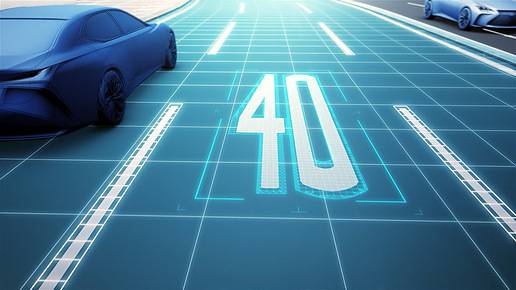 豐田認為,先進的即時路線圖編制功能將有助于大幅降低交通事故發生率。
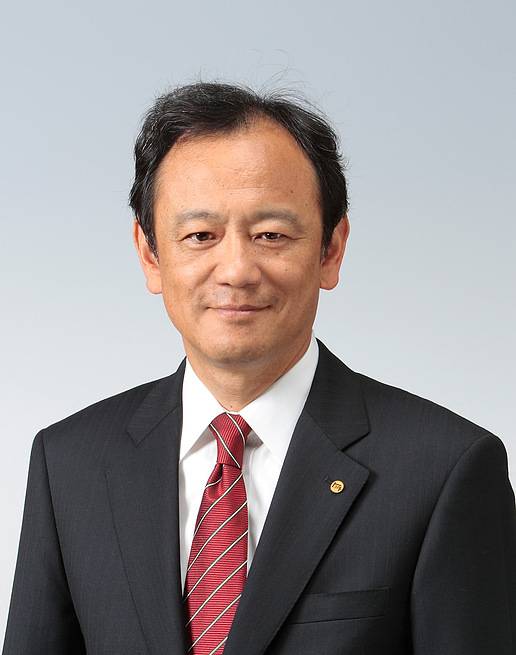 豐田首席安全技術官、先進研發與工程公司總裁伊勢清貴稱,“在自動駕駛方面,我們首先強調的是安全。”
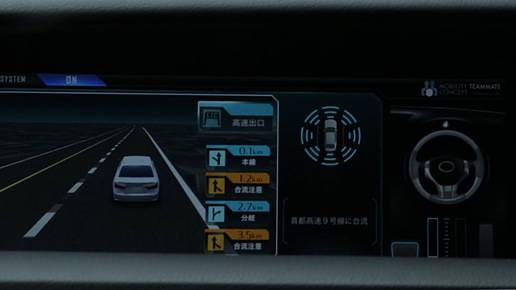 豐田正在尋求最有效的駕駛員警示或提醒方法,協助駕駛員及時在自動駕駛和手動操作之間進行“切換”,比如利用儀表板顯示切換信息。
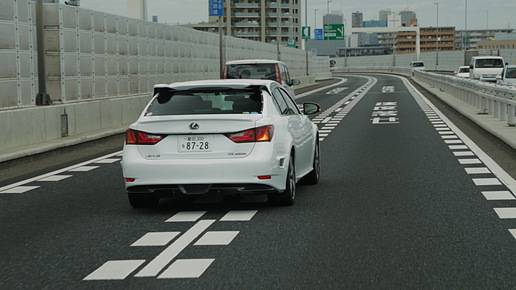 豐田的“公路駕駛伙伴”系統可自動執行包括變道在內的各種駕駛任務,駕駛員僅需在“非公路環境”或者“自己想開車”時控制車輛。