在汽車行業中,塑料一直都是一種很理想的減重材料,長期以來都在大量廣泛地應用于汽車的各個部分,比如車身面板、內飾材料和發動機艙部件等,但從未想過要把變速箱外殼和齒輪組也改為塑料。
不過,這種情況可能要發生改變了。最近,有兩家歐洲公司正在進行聯合研究工作,旨在顯著擴大塑料復合材料在汽車傳動系統中的應用,而且他們還計劃借助電動車研究進行技術改良。
這對合作伙伴分別為英國變速器設計工程咨詢公司Drive System Design(DSD),以及廣泛活躍在汽車、航空、能源和環境等領域的布魯塞爾國際化學集團Solvay。
為了優化未來純電動車的NVH特性(噪聲、振動和不平順性),這兩家公司開始聯手研發塑料材質的變速器外殼,并同時探索通過這種材料提高齒輪嚙合效率的可能性。考慮到噪聲問題,使用金屬材料的可能性基本可以被直接排除在外。
DSD公司總經理Mark Findlay解釋說:“利用塑料替代傳統的金屬鑄件不但可以立刻獲得減重效益,而且還有潛力實現效率的提升。聚合材料的固有阻尼特性允許廠商設計更多的有效檔位,比如采用更小的螺旋升角或正齒輪等。由于產生的噪聲過大,這種設計根本無法應用在傳統材料的變速箱外殼中。而采用更小的輪齒可以減少滑動、增加滾動,從而提高齒輪組的效率。”
Findlay認為,機軸、套管和液壓閥體均有希望被納入塑料復合材料(或增強塑料復合材料)的應用范圍。對常規乘用車變速器而言,如果完全使用塑料材料則最高可獲得45%的減重效益。即使在為了保證車輛NVH特性而為車輛增加一層“皮膚”之后,使用塑料材料的減重比例仍可達到25%。此外,由于采用了塑料材料,每次齒輪嚙合過程中的動能損耗最高可以減少0.5%。
事實上,這兩家公司的合作,并不是汽車行業第一次試圖拓展塑料復合材料在基礎動力系統中的應用,但理想變為現實總是不那么容易。
早在20世紀60年代末,通用汽車就開始進行復合材料變速箱的研究,并成功打造了一個原型。F1方程式和航空航天行業也開展了類似的研發項目,探索復合材料帶來的更多可能性。
20世紀80年代,復合材料應用的發展開始停滯不前,當時的復合技術無法滿足管套和輪齒等變速器元件的高容量需求,但如今的技術可能會實現改變了。
Findlay對塑料材料可能應用范圍的看法相當務實。他強調,為了協助提升車輛的NVH表現,這種技術可能最先在頂級電動車領域發揮作用。“由于電動車并不使用內燃機,因此傳動系統的任何NVH問題均會更容易暴露在相對安靜的車艙之中,這對能夠發揮自身固有阻尼優勢的塑料變速器外殼來說非常有利。”
此外,由于電動車行駛時的溫度也比傳統內燃機車更低,因此也能更好地適應低成本聚合材料120°C(248°F)左右的溫度極限。Findlay的一個觀點非常有趣,他認為由于現階段電動車的產量遠遠低于內燃機車,剛好可以給相關制造技術一定的發展時間,逐步從原型制造階段進化至量產階段。
Findlay認為現在的挑戰是:“汽車行業對很多新材料的機械屬性并不熟悉,很容易掉入一些‘陷阱’之中,而且由于這些材料的非線性特性,隨著溫度變化,其屬性發生改變的程度高達50%。舉例而言,聚合物在到達玻璃化溫度(glass transition temperature)后會逐漸變軟,這會極大地影響該材料的機械屬性,有時甚至吸點水也會影響聚合物的屬性。通常來講,在設計研發過程中尋求與材料供應商的合作,是個不錯的做法,但如果設計研發的對象是聚合物這類屬性多變的材料,那么與材料供應商的合作就是必不可少的了。”
DSD公司和Solvay集團正是為了實現這樣的強強聯手,開始了他們的復合變速器外殼聯合研發項目。
考慮到結構性功能和量產制造的成本,這兩家公司在塑料變速器研發中引入了低成本的復合技術。DSD公司認為,如果按照目前$10/kg的平均行業減重補貼計算,塑料復合材料變速器外殼的成本完全可以與現有的鋁制產品競爭。
Solvay集團表示,通過高效的FE(有限元)分析技術,結合使用現有的機械屬性數據,以及模流特性和纖維定向等參數,針對復合材料耐久性的預測水平可以得到大幅提升。一般而言,純塑料元件的回收相當簡單明了,而且關于復合材料回收的相關研究也在不斷進行之中,所有材料廠商都要面對回收塑料材料的問題。這些都可以成為塑料傳動系統的研發的推動力。
Findlay表示:“我們比較傾向于設計一種復合結構的變速器外殼,具體是在結構性框架周圍注塑聚合材料,從而形成一層連續的屏障,防止由于機油侵入造成內嵌與外層聚合材料之間的結合強度減弱。
DSD公司和Solvay集團正在與多家汽車廠商探討適用于各種未來變速器和傳動系統的潛在替代材料。目前,復合材料變速器技術仍處于研發階段,仍需繼續尋找最合適的材料和工藝,必須經過進一步的優化后才能進入接近量產的階段。
DSP公司和Solvay集團預測,復合變速器外殼可能會在未來5到10年內進在市場上推出。
Solvay集團全球汽車市場經理Mark Wright強調,必須通過提供一系列解決方案,不斷爭取新的潛在客戶,這點非常重要:“每個客戶都有不同方面的需求,比如減重、NVH優化或能效提升等。我們必須針對每家客戶的特定要求,為他們提供最合適的解決方案。”
他解釋說,Solvay集團積極參與了“多項”具有很高知名度的項目,z展示公司在材料科學方面的潛力:“目前,Solar Impulse正在進行環球飛行挑戰,我們為這駕實驗性零碳太陽能飛行器提供了15種我們自己的產品;我們還為Polimotor 2全塑料賽車發動機項目提供了多種熱塑材料。”
Polimotor 2項目大量采用復合材料,還將利用Solvay公司的高級聚合技術研發至多10種發動機零部件,包括水泵、油泵、進水口/出水口、節氣門、油軌等多種高性能部件。目前,Solvay集團可以提供的材料包括Amodel聚鄰苯二甲酰胺(PPA)、AvaSpire聚芳基甲酮(PAEK)、Radel聚亞苯基砜(PPSU)、Ryton聚苯基硫醚(PPS)、Torlon聚酰胺酰亞胺(PAI),以及Tecnoflon VPL氟橡膠等。
作者:Stuart Birch
來源:SAE《汽車工程》雜志
翻譯:SAE上海辦公室
DSD, Solvay 'sink their teeth' into plastic transmission advances
For the automotive industry, plastics have long been a weight-saving material of choice, with a wide range of high-volume applications from body panels to interiors and underhood components—but transmission housings and gears are not among them.
Now that may change. Two European companies are collaborating in a study to achieve solutions that could herald a much wider role for plastic composites across transmission applications, and they are using electric vehicle (EV) research to help refine the technology.
The companies are U.K.-based Drive System Design (DSD), an engineering consultancy specializing in transmission design, development, and control, and Brussels-headquartered Solvay, an international chemicals group operating in sectors that include automotive, aerospace, energy, and the environment.
Based on their joint initiative to create a plastic transmission housing to improve NVH characteristics of a future pure EV, both companies are also exploring the possibility of using the material to improve the efficiency of meshing gears via tooth. In terms of noise, that would rule out using metals.
DSD Managing Director Mark Findlay explained: “There is an immediate weight saving from substituting plastic materials for conventional metal castings, but equally important is the potential for improved efficiency. The inherent damping provided by polymeric materials permits the use of much more efficient gears, such as reduced helix angles or spur gears, that would have unacceptable noise characteristics in a conventional casing. By using shorter teeth, typical tooth profiles for higher efficiency would have reduced sliding and increased rolling.”
He believes there is potential for shafts, casings, and hydraulic valve bodies to be made from plastic (suitably reinforced where appropriate), and states that full implementation could produce savings of up to 45% in casing weight for a typical passenger car transmission. With an NVH “skin” added, the saving would still reach 25%. A reduction in transmission losses would be “up to 0.5% per gear mesh.”
There is nothing new in wanting to extrapolate plastic’s roles into fundamental powertrain technology, but wanting and achieving are not the same things.
In the late 1960s, General Motors considered composite gearboxes and created prototypes. Formula One and aerospace industries have also embraced R&D programs that looked at possibilities.
In the 1980s, when such advances were seriously mooted, contemporary composites’ technology could not deliver radical powertrain application solutions such as casings and gear teeth for high-volume requirements; now it may be able to.
Findlay is pragmatic about these possible developments and stresses that it is in the premium EV category that the technology is likely to find its first application to help counter NVH: “The low cabin noise levels in a vehicle without an IC engine expose any NVH issues arising from the driveline, making the inherent damping of a plastic housing advantageous.”
Temperatures encountered in an EV are lower than an IC engine powertrain, so are more compatible with lower cost polymer temperature limits of around 120°C (248°F). An interesting point made by Findlay is that current production EV production volumes are hugely lower than those of conventional vehicles, making it easier for manufacturing technology eventually to migrate from prototype quantities to series production levels.
There are challenges, he said: “New and unfamiliar materials bring pitfalls for the unwary because of the subtleties of the mechanical properties, which can change by up to 50% over the operating temperature range due to non-linear behavior. Polymers soften above their glass transition temperature, which can significantly affect mechanical properties; even the moisture absorption of polymers can influence properties. It’s always good practice to work with a material supplier from the earliest stage of design but, when the material properties are as different as polymers and metals, it is absolutely essential.”
That is why DSD and Solvay are busy cooperating to meld their individual specialist capabilities.
For the plastic transmission study, low-cost composite technology is being incorporated from the outset to combine structural capability with volume-feasible manufacturing costs. Including the typical industry allowance for weight reduction at $10/kg saved, DSD believes composite transmission casings can be engineered to be competitive in price with existing aluminum products.
Solvay states that durability prediction has been greatly enhanced by effective finite element (FE) analysis, backed by proven data on mechanical properties and appreciation of the influence of parameters such as mold flow characteristics and fiber orientation (for composites). The recycling of plastic-only components is regarded as being straightforward, and research into composite recycling is ongoing; an issue that is common to all material manufacturers. All this is germane to the possible drivetrain developments.
Said Findlay: “Our preferred approach for a transmission casing is composite construction involving overmolding a polymer around a structural frame to provide a continuous barrier against any ingress of oil, which could otherwise infiltrate and weaken the bond between the inserts and the polymer.”
DSD and Solvay are currently discussing with vehicle manufacturers the areas within transmission and driveline systems that offer the best potential for material substitution in the future. Currently, the technology is in the development phase to optimize and prepare the most suitable materials and processes in a near-production-ready state.
DSD and Solvay anticipate a five- to 10-year timescale before the first applications come to market.
Solvay’s Global Automotive Marketing Manager, Mark Wright, underlines that it is important to approach potential customers with a range of alternative ideas: “Each customer has individual priorities, whether for weight reduction, NVH improvement, or increased efficiency. We have to reflect that by presenting the most appropriate options for their particular case.”
He explained that Solvay has taken part in “a number” of high-profile projects to demonstrate the potential of its materials: “We supply the Solar Impulse—an experimental zero-carbon, solar-powered aircraft attempting to fly around the world—with 15 different Solvay products, and also support the Polimotor 2 race engine program by providing several different thermoplastic materials.”
Polimotor 2 is composites intensive and will use Solvay’s advanced polymer technology to develop up to 10 engine parts, including a water pump, oil pump, water inlet/outlet, throttle body, fuel rail, and other high-performance components. Solvay materials targeted for use encompass Amodel polyphthalamide (PPA), AvaSpire polyaryletherketone (PAEK), Radel polyphenylsulfone (PPSU), Ryton polyphenylene sulfide (PPS), Torlon polyamide-imide (PAI), and Tecnoflon VPL fluoroelastomers.
Author: Stuart Birch
Source: SAE Automotive Engineering Magazine
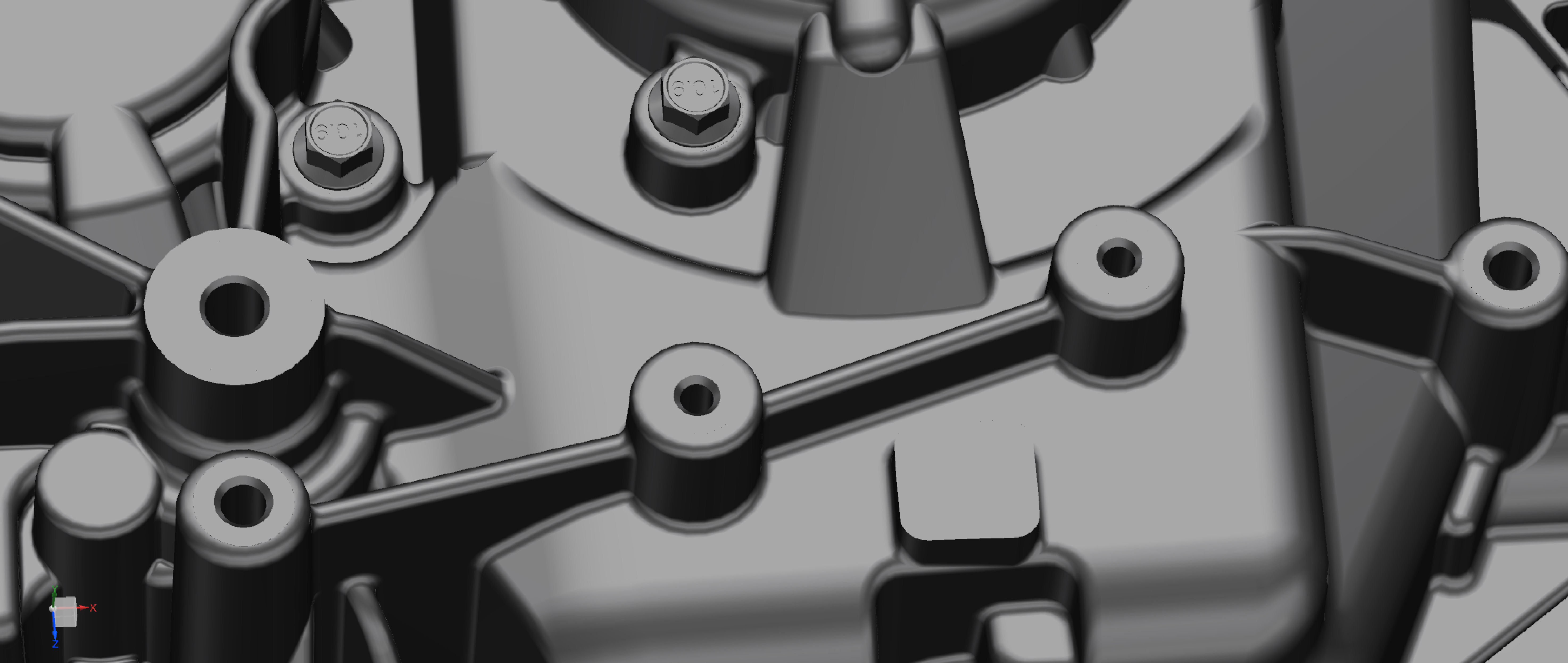 DSD公司和Solvay集團正在進行復合材料設計改良,從而尋找適合變速器應用的解決方案,比如圖中的塑料變速器外殼。
 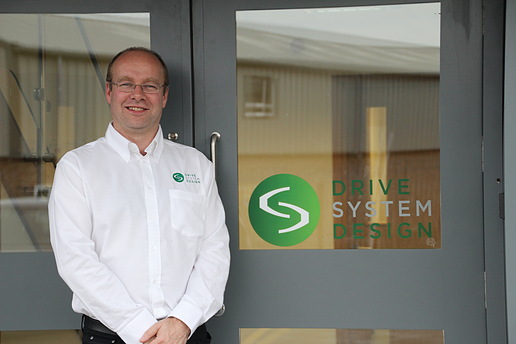 工程咨詢公司DSD總經理MarkFindlay相信,塑料很有潛力成為一種變速器替代材料。
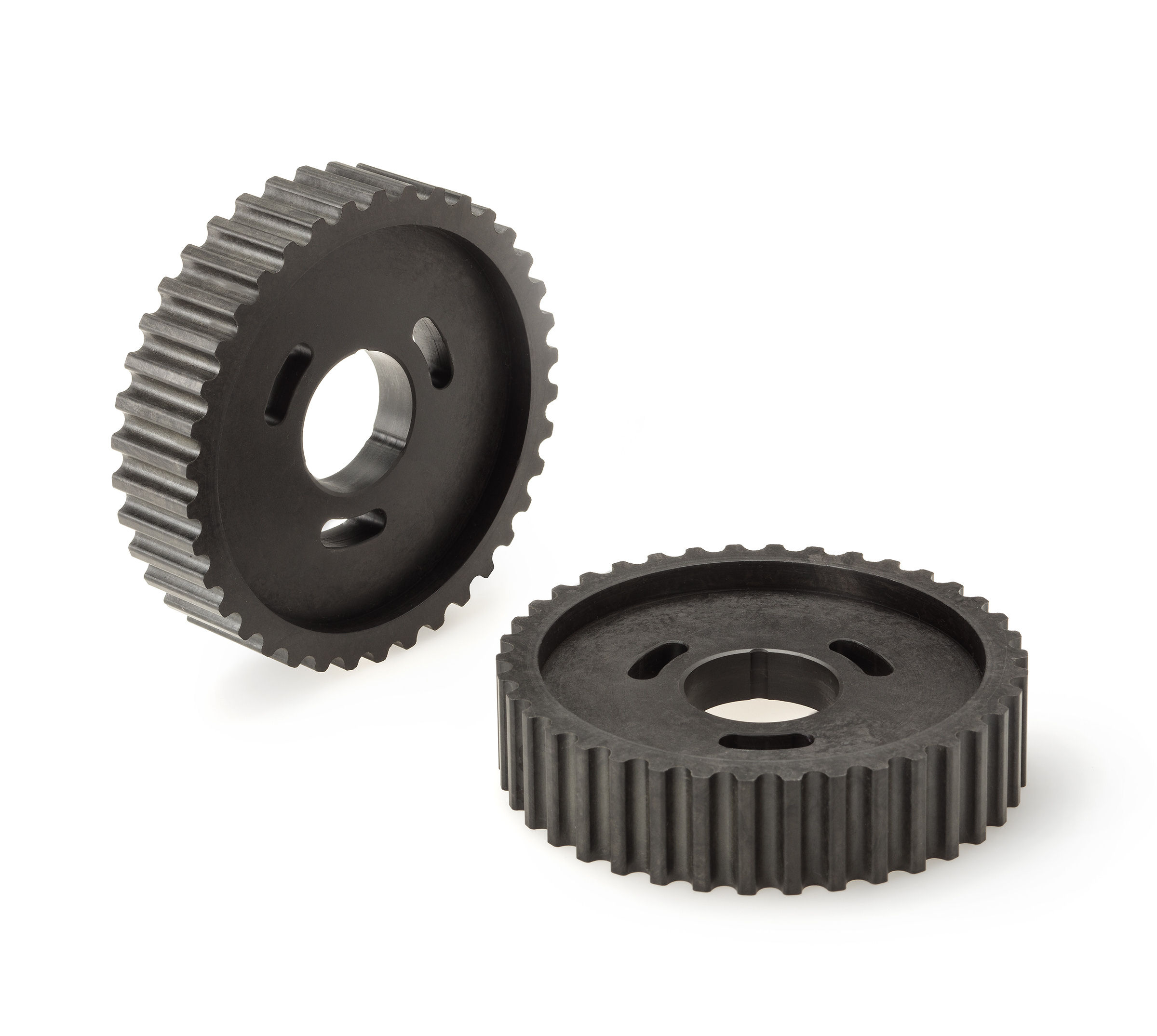 Solvay集團的復合材料可用于制造鏈輪。
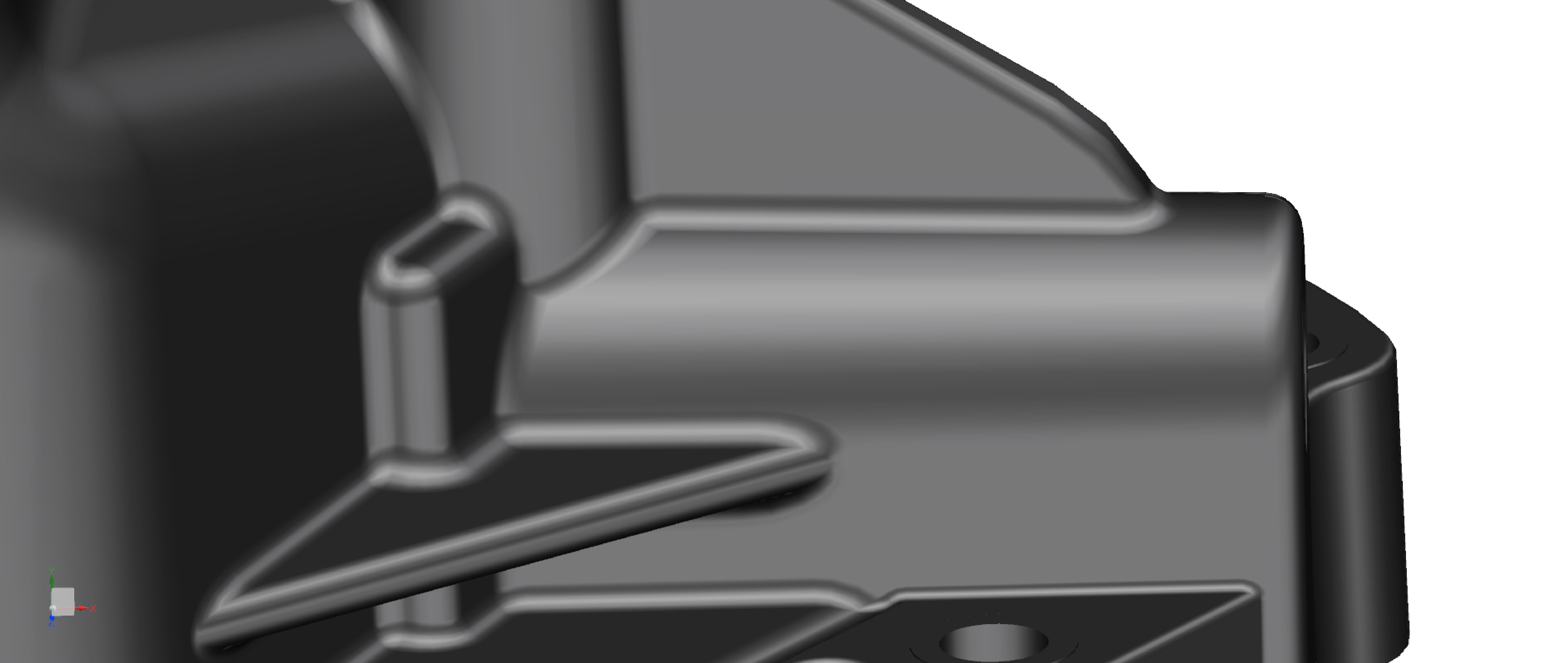 DSD公司復合材料變速器外殼設計細節圖。
 Solvay集團正在與DSD公司合作研發動力系統中的復合材料應用,圖為該集團全球汽車市場部經理Mark Wright。