“就像房子需要地基一樣,SAE正是所有‘工程師’成長的基礎,” 豐田北美汽車技術中心總裁Seiya Nakao表示,“當我剛剛成為一名工程師時,我從SAE學到了很多東西。因此,對我個人而言,這也是回報SAE的好機會。”
Seiya Nakao擔任了于今年4月在美國底特律舉辦的SAE 2016全球汽車年會與展覽的大會主席,他很激動豐田能在本次大會上擔任領導角色,也為公司將在大會期間展示100份技術論文感到十分高興。Nakao相信,今年的汽車年會及其“Powering Possibilities”的主題,都意味著汽車行業將要扣動新創新的“扳機”。
最近,《SAE汽車工程雜志》在豐田北美技術中心采訪了Nakao先生,以下是部分采訪內容:
SAE:在您眼中,30年后的汽車將會是怎樣的?
Nakao:我相信多樣性將會成為趨勢。到時候,人們應該會有很多種出行選擇,可以自己開車、乘坐自動駕駛汽車,也可以選擇汽車共享服務等。但在未來25到30年中,我們仍然無法離開使用汽油的混合動力車,以及插電式電動車,這段時間將是燃料電池和電動車的重要轉型期。在未來,還會出現很多非常激動人心的新技術。
SAE:目前,豐田北美技術中心(TTC)正在進行大規模擴張。TTC將在交通運輸的新時代中扮演何種角色?
Nakao:我們的主要工作有兩個‘支柱’:汽車開發和尖端技術研發。因此,除了繼續開發混合動力等現有技術,我們還需要研發新的解決方案 -- 續航里程更長的汽車電池和成本更低的燃料電池系統。當然,還有配套基礎設施。
SAE:TTC的角色不僅僅是汽車核心技術的開發嗎?
Nakao:在汽車技術研發方面,我們正在開發一些專為美國市場提供的產品,比如Avalon和Tundra。但在我看來,在未來幾年中,我們的主要工作將集中在整車開發,比如“K”平臺(凱美瑞)。我相信這種轉變是必然的。在尖端技術研發方面,我們成立了新的豐田研究所(TRI),進行人工智能及其他先進學科的研究工作(點擊詳見:豐田推出汽車自動化與高級研究“夢之隊”)。人工智能技術可用與打造自動駕駛汽車,我們相信豐田一定可以領跑這一領域。對于電池系統等其他尖端技術而言,我們認為美國是開展這些領域研究的最佳市場。
SAE:您認為未來的電池領域真的會如電池研發人員所說的那樣,出現“突破”嗎?
Nakao:我該給你一個官方的答案?還是個人的答案呢?[笑]事實上,我希望是這樣。但目前我個人并未看到這個領域有什么大的進展,這也算是一直困擾豐田的一個地方。但豐田不會放棄,我們會繼續大力進行這些技術的研發。
SAE:豐田公司最近的重組會對產品開發帶來什么影響?
Nakao:目前,豐田每年要生產大約1000萬輛汽車。但公司的組織結構還與30年前一樣,有很多地方都不利于我們開展跨部門的研發工作,也不利于快速做出決定。這就是豐田章男社長決定做出改變的原因。他的目標很清晰,就是要實現快速決策!因此,我們打破了高度集中化的舊組織架構,形成了現在的新結構,從本質而言也就是四個基于產品的分部。
SAE:生產制造部門過去是豐田的“核心”,也是公司盈利的關鍵,這個部門的員工對公司重組有什么看法嗎?
Nakao:豐田生產系統(Toyota Production System)效率高、成本低,是非常棒的系統。但遺憾的是,目前生產部門過于強大了。因此我們有了新想法,我們將在今年4月18日正式發布一個新的生產系統。
SAE:截止到目前,事情進展的怎么樣?
Nakao:[輕笑]事實上,這個過程并非一帆風順!但我們將不斷進行改善提高。正如豐田章男所言,‘這與其說是一個解決方案,不如說是一個機會。’
SAE:最近幾年,豐田的合作伙伴包括富士重工(Fuji Heavy)、梅賽德斯(Mercedes)、特斯拉(Tesla)和馬自達(Mazda)等多家公司。現在,技術和產品開發領域的合作非常重要嗎?
Nakao:合作是必要的,特別是在自動駕駛和互聯汽車技術研發方面。這些領域的發展如此之快,超乎我的想象。如果豐田想要獨自奮斗,那我們將很難跟上這種節奏。正因如此,我們正在與很多研究機構、大學,甚至政府合作。但這還不夠,未來我們還將繼續加快合作。
SAE:如果谷歌(Google)或蘋果(Apple)來找豐田制造他們的汽車,這是不是會很有趣?
Nakao:喔,是的,會很有趣![大笑]我們內部經常討論這個話題。事實上,智能手機已經成為了汽車的一種標配,如果我們忽視手機在車上的應用,用戶就不會滿意。因此,我們必須認真考慮如何與這些[技術公司]合作。
SAE:您認為汽車工程這個行業會發生什么變化?
Nakao:我們需要在自動駕駛、人工智能、計算機科學、機器人科學、高級電池化學和納米技術等領域培養新人才,或招募新人才。在我看來,機械工程仍然是汽車工程的基礎,但一些年輕工程師認為這都是‘過時的東西’。我們必須改變人們對這份工作的刻板印象!我肯定,未來的汽車工程師將擁有機械、電氣/電子和計算機科學等領域的綜合實力。
SAE:您擔心現在的年輕人都不愿在一家公司工作很久嗎?
Nakao:擔心。在我們這個系統中,離職率最高的是擁有5到7年經驗的員工。
作者:Lindsay Brooke
來源:SAE《汽車工程雜志》
翻譯:SAE上海辦公室
Toyota’s 'trigger' for innovation
“SAE is the ‘engineers’ foundation,’” reflected Seiya Nakao. “When I was a young engineer, we learned a lot from SAE, and personally this is a good opportunity for me to return something to it.” Nakao, President of the 1M-ft2 Toyota Technical Center (TTC) near Saline, MI, is serving as General Chairman of the SAE 2016 World Congress and Exhibition. He is clearly excited about his company’s leadership role in the event and the 100 technical papers being presented by Toyota. Nakao believes this year’s World Congress, and its “Powering Possibilities” theme, will serve as a “trigger” for new innovation. Automotive Engineering spoke with Nakao-san recently at TTC; an excerpt from our interview follows:
What is your own vision of mobility in the next 30 years?
I believe in variety. There should be a lot of options for people to choose; driving by themselves, autonomous vehicles, car sharing. But while in the next 25-30 years we will still have gasoline hybrids and PHEVs, this will be a very important transition time for fuel cell and electric vehicles. And it will be hugely exciting for new technology.
TTC is undergoing a big expansion. What role will TTC play in the new mobility era?
Our main job here consists of two ‘pillars:’ vehicle development and cutting-edge technology and research. So while we evolve the current technologies such as hybrid, we also have to develop or invent new solutions—longer-range batteries and affordable fuel cell system. And, of course, infrastructure.
Will TTC take on more of a core vehicle-development role?
In vehicle development we’re now doing U.S.-exclusive product such as Avalon and Tundra. But in the coming years, in my opinion, we will take a main role in full vehicle development, such as the ‘K’ platform [Camry]. That kind of shift in responsibility will happen, I believe. And on the Research side, we created the newToyota Research Institute (TRI), a company that researches artificial intelligence along with other advanced disciplines (http://articles.sae.org/14546/). That technology is used to create autonomous vehicles, and we believe it should definitely be led by us. And other cutting-edge technologies such as battery systems—the U.S.A. is the best place for research in these areas.
Are you confident there will be a battery “breakthrough,” as the battery guys keep promising?
Should I answer that officially or personally? [laughs] Actually, I hope so. But my personal impression is, I haven’t seen good progress in this area. It’s kind of struggling point for Toyota. But we don’t give up; we’re aggressively developing these technologies.
How will Toyota’s recent reorganization impact product development?
We’re now producing 10 million vehicles per year. But our organizational structure was stuck where it was 30 years ago. We had many [silos] that prevented cross-functional engagement and quick decision making. That’s why Akio Toyoda decided to make the change. His purpose is very clear: quick decisions! So we destroyed the old [highly centralized] organization and created what are essentially four product-based divisions.
What do the Production guys—the traditional "core" of Toyota and key to its profitability—have to say about this?
The Toyota Production System is very efficient and low cost—great system. But, unfortunately, Production became too strong! So we have the new idea. We will start the new system April 18, officially.
How are things going so far?
[chuckles] Not so perfect! But we will improve that through kaizen. As Akio Toyoda said, ‘This is not a solution. It is an opportunity.’
Toyota in recent years has collaborated with Fuji Heavy, Mercedes, Tesla, Ford, and Mazda. Are technology and product-development partnering now vital activities?
They are necessary, especially for autonomous and connected-vehicle technology developments. The speed of new developments in those areas is so fast—faster than I expected. If we tried to do it by ourselves, we couldn’t catch up. That’s why we are doing a lot with academia, with a lot of fine universities, and even with government. But even that’s not enough. So we will expedite the collaborations.
If Google or Apple came to you wanting Toyota to build their cars, would that be an interesting proposition?
Oh, yeah! [laughs] Internally we are discussing a lot. The smartphone is kind of the de facto standard already, and if we ignore it, the customer isn’t satisfied. So we have to seriously think of how to collaborate with them [tech companies].
Do you see changes coming in the automotive engineering profession?
We need to develop new talent in autonomous driving, artificial intelligence, computer science, robotic science, advanced battery chemistry, nanotechnology. Or hire them. In my opinion, the foundation is still mechanical engineering, but some young engineers see that as being ‘old-fashioned stuff.’ We have to change the job’s style! I definitely see the future automotive engineer having a combination of mechanical, electrical/electronic, and computer-science engineering competencies.
Are you worried that young professionals no longer stay with the same company for very long?
Yes. The highest turnover ratio in our systems is probably five to seven years’ experience.
Author: Lindsay Brooke
Source: SAE Automotive Engineering Magazine
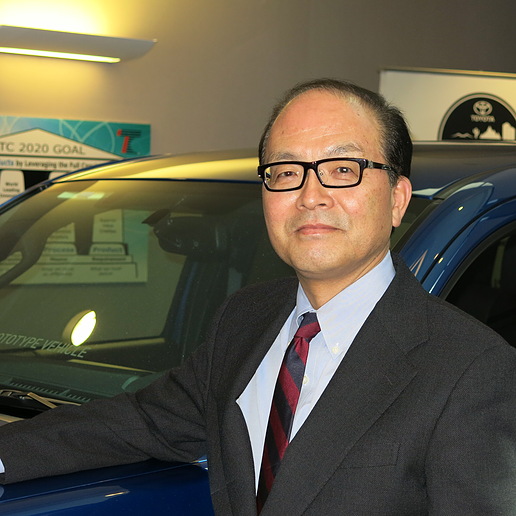 Seiya Nakao:“我們將加快在先進汽車技術方面的合作步伐。”