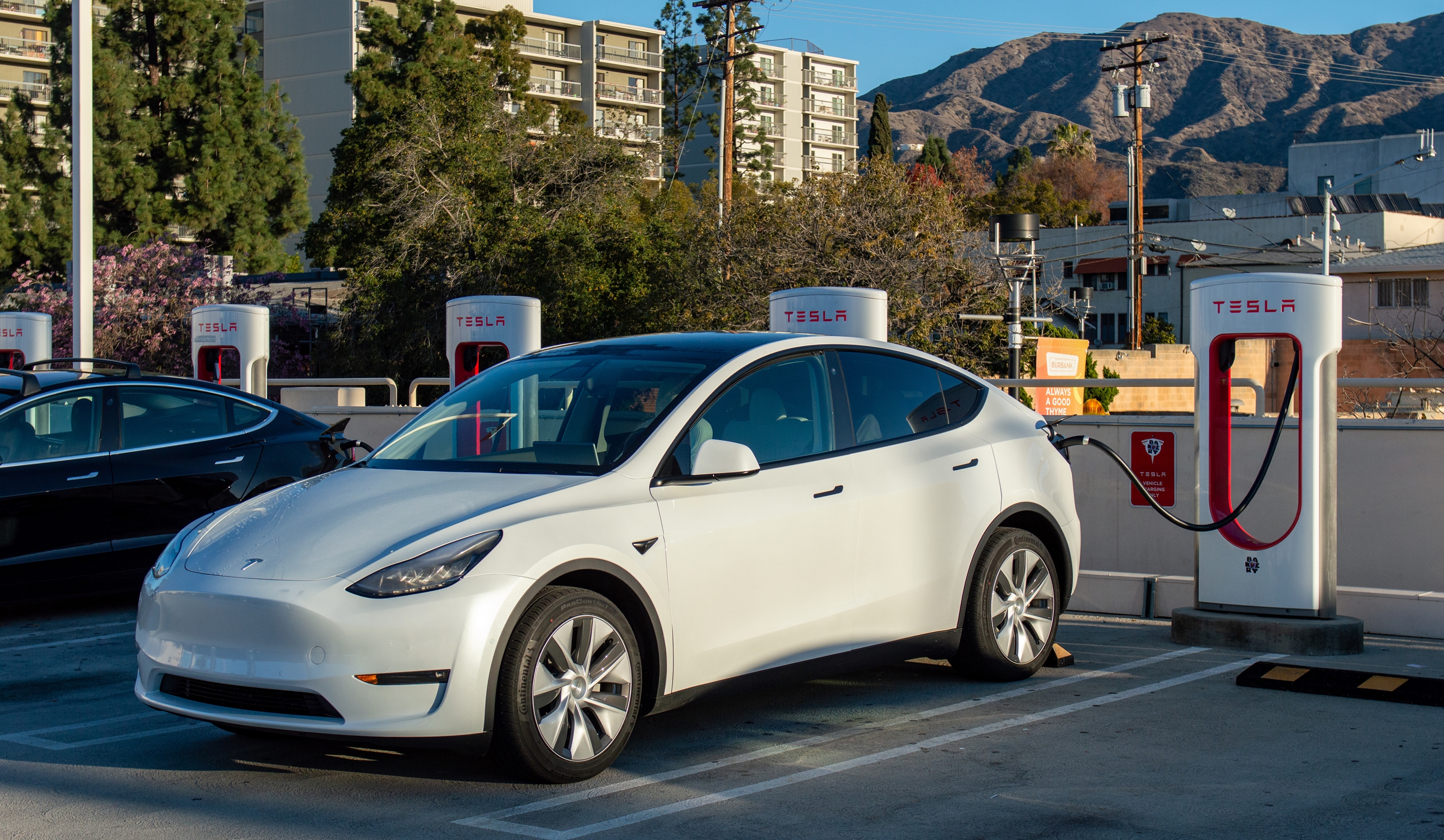
專家強調,SAE J3400標準涵蓋的不僅僅是充電連接器,而是一整套充電系統(tǒng),而且其中整合了大量行業(yè)最佳實踐。
今天,SAE International在底特律舉行的北美電池展上發(fā)布了《NACS J3400推薦實踐》文件,標志著北美電動汽車充電解決方案取得了階段性成果。
SAE J3400 NACS工作組主席、特拉華大學交通電氣化中心的研究工程師Rodney McGee指出,該文件的正式名稱為《SAE J3400TM:NACS電動汽車耦合器技術推薦實踐(Electric Vehicle Coupler Technical Recommended Practice)》,可被視為“構建產(chǎn)品的藍圖”。預計該文件發(fā)布后,供應商將推出一系列符合新規(guī)的新產(chǎn)品,并由OEM和第三方機構(如UL公司)進行測試。
他表示,“我們將進行更多互操作性測試并與業(yè)界開展更多合作,以便進一步完善該文件。我們希望看到更多的推薦實踐轉化為正式標準。如果這兩者之間沒有多少變動,那是最好不過了。”
SAE在發(fā)布會上表示,下一步工作就是將推薦實踐轉化為正式標準,屆時NACS這一暫定名也將更新為正式名稱。NACS目前是“North American Charging System”(北美充電體系)的縮寫,S代表“System(制度)”,而非“Standard(單一標準)”,以此反映這是一個整合了多個行業(yè)標準、涵蓋了汽車耦合器等多方面的體系”。
McGee表示,J3400標準的制定吸納了自上一次重要的北美電動車充電標準J1772發(fā)布以來出現(xiàn)的一些主流優(yōu)秀理念(J1772標準于1996年發(fā)布,并于2009年被行業(yè)廣泛采納)。McGee指出,大規(guī)模推廣NACS將有望改善北美充電基礎設施,這主要有兩大原因。首先,一旦大多數(shù)新生產(chǎn)的電動車能夠使用特斯拉標準的充電網(wǎng)絡充電,其他運營商將不得不提升其充電網(wǎng)絡的便捷性和可靠性,以與特斯拉匹敵,否則他們會在用戶充電體驗的競爭中迅速敗下陣來。第二,相較于其他OEM和供應商建設的充電網(wǎng)絡,特斯拉充電網(wǎng)絡更具優(yōu)勢,因為特斯拉工程師同時參與了電動車及其供電設備(EVSE)的開發(fā)。
McGee指出,“十多年前,早在特斯拉設計NACS的基礎架構時,便始終關注這兩大因素。特斯拉既是充電網(wǎng)絡建設和運營商,又是汽車制造商。這種開發(fā)模式與當年J1772標準開發(fā)的情況大不相同。在J1772標準開發(fā)初期,大多數(shù)OEM并沒有充電設備或耗費巨資建設的充電基礎設施。而如今,OEM兩者兼?zhèn)洌虼颂厮估O計NACS系統(tǒng)的真正目的是推動大規(guī)模電氣化:開發(fā)一個充電連接器,以支持更多電壓等級的交流充電以及更多連接方式。我們將這些關鍵設計集成起來,旨在將NACS打造成北美唯一的電動車充電標準,尤其是在乘用車領域。”
J3400標準支持車輛與充電設備間的數(shù)字通信,而J1772標準只支持McGee稱之為“非常落后的模擬通信方式”。工作組希望將 ChargeX 聯(lián)盟在直流快速充電中使用的最低要求錯誤代碼等功能引入新的AC J3400 標準。此外,J3400標準還將采用V2G技術并滿足備份電源要求。
McGee表示,J3400還將支持便攜式充電線纜組件,這將改變北美充電格局。便攜式充電線纜在其他國家和地區(qū)已經(jīng)非常普遍,使用這種線纜可以降低電動車供電設備(EVSE)的體積和成本,因為充電站只需提供標準充電端口,而無需提供更昂貴且需頻繁維護的電纜和充電插頭。這將有助于推動電動車充電基礎設施的普及,惠及低收入或居住在公寓的電動車車主。
McGee表示,“在沒有電動車進行充電時,應盡量減少外露的充電設備,甚至將其集成至基礎設施中,這樣才能真正推動路邊充電的普及。
根據(jù)現(xiàn)行的J3400推薦實踐,如果僅從充電連接器側進行充電,則最大規(guī)定電流為900安培;如果同時利用車載充電接口側和連接器側進行充電,則最大電流可達1000安培。McGee解釋道,“這些只是理論值,因為到目前為止,還沒有汽車制造商推出過功率如此強大的車型。但在理論上,NACS的最高充電功率可達到1 MW。”
在電壓方面,升級版NACS將把特斯拉的部分前瞻性技術推廣至更廣泛的用戶群體。McGee表示,特斯拉充電樁能將公用事業(yè)公司提供的480 V三相電轉換為277 V商用單相電,從而直接為電動車充電。這樣一來,就無需在路邊額外安裝變壓器,從而降低交流充電成本并減少銅線和電纜的使用量。
Experts underscore that the standard is for a system of charging, not just a plug, and relay best practices.
The auto industry took the next step in the evolution of North American electric vehicle charging solutions today at The Battery Show in Detroit. That’s where SAE International released its NACS J3400 Recommended Practice document.
Technically called the “SAE J3400TM: NACS Electric Vehicle Coupler Technical Recommended Practice,” the RP can be considered a “blueprint to build” and should set off a stream of new products from suppliers that OEMs and third-party groups like UL will soon test, said Rodney McGee, chairman of the SAE J3400 NACS Task Force and a research engineer at the Transportation Electrification Center at the University of Delaware.
“There's going to be more interoperability testing, more work with the industry, as we look for opportunities for improvements in the document,” he said. “When we go from a recommended practice to a standard, we really want to see more of that happen. The ideal situation is that there are very few changes between the two.”
NACS is also getting an official name change with this next step. The acronym now stands for the “North American Charging System” (instead of “Standard” at the end) in order to “[reflect] that it is a system comprising a set of industry standards covering aspects beyond the vehicle coupler,” SAE said in its announcement.
McGee told SAE Media that the move to J3400 gave the industry the opportunity to incorporate good ideas that have been introduced or made popular since the development of the last major North American EV standard, J1772, which kicked off in 1996 and became broadly adopted by the industry in 2009. McGee said there are two main reasons why the upcoming massive shift to NACS should finally provide better charging infrastructure in North America. First, once most new EVs can charge at the gold-standard Tesla network, other operators will need to match Tesla in ease-of-use and reliability or they’ll lose the apples-to-apples comparisons that EV drivers will make in a way they couldn’t before. Second, the reason Tesla’s network has advantages over the OEM-and-supplier-built networks that non-Tesla drivers deal with is that Tesla engineers worked on both the vehicle and the EVSEs.
“When [Tesla] designed the basis of NACS over ten years ago, they were always focused on both sides,” McGee said. “They were a company building and operating a charging network and also building cars, and when you approach a system from that development, you end up maybe in a different place than when J1772 was started, when OEMs did not have these energy units and these huge investments in infrastructure. Now, they're on both sides of the equation and so the system design of NACS really is about mass electrification: having a connector that can support more voltage types for AC charging and more connection methods. We really brought in a lot of that stuff to be THE standard to electrify transportation in North America, especially for passenger cars.”
Compared to J1772, for example, J3400 will allow for digital communication between the car and the charger (J1772 uses what McGee called a “very dumb analog communication method”) and the task force hopes to bring features like minimum required error codes that the ChargeX consortium uses with DC fast charging to the new AC J3400 standard. J3400 also adopts V2G and backup power requirements.
J3400 will also update the North American charging landscape to allow for carry-along cord sets, McGee said. Common in the rest of the world, personal cords allow for smaller, cheaper EVSEs because the stations offer a standard port instead of a cable and plug that requires more investment and maintenance. This will help bring EV charging infrastructure to lower-income drivers and people who live in apartments.
“The stuff that hangs around when there's no electric car there needs to be minimized,” McGee said. “It needs to disappear into the infrastructure. And that'll really drive curbside charging.”
The J3400 RP currently says the maximum amperage for the standard would be 900 amps if it's just cooling from the connector side and 1000 amps if cooling from both the vehicle inlet side and the connector side. “[That] is just theoretical,” McGee said, since no automaker has announced anything that powerful. “But in theory, NACS tops off at exactly one megawatt.”
On the voltage side, the updated NACS will bring some of Tesla’s far-sightedness to the broader public. Tesla chargers are able to use the 480-volt, three-phase power that comes from utilities to a commercial site as single-place power at 277 volts and put that into the vehicle directly, McGee said. That will mean cheaper AC charging because you don’t need to have to pay for an extra transformer right there on the curb. Using less copper and a smaller conduit are other benefits.
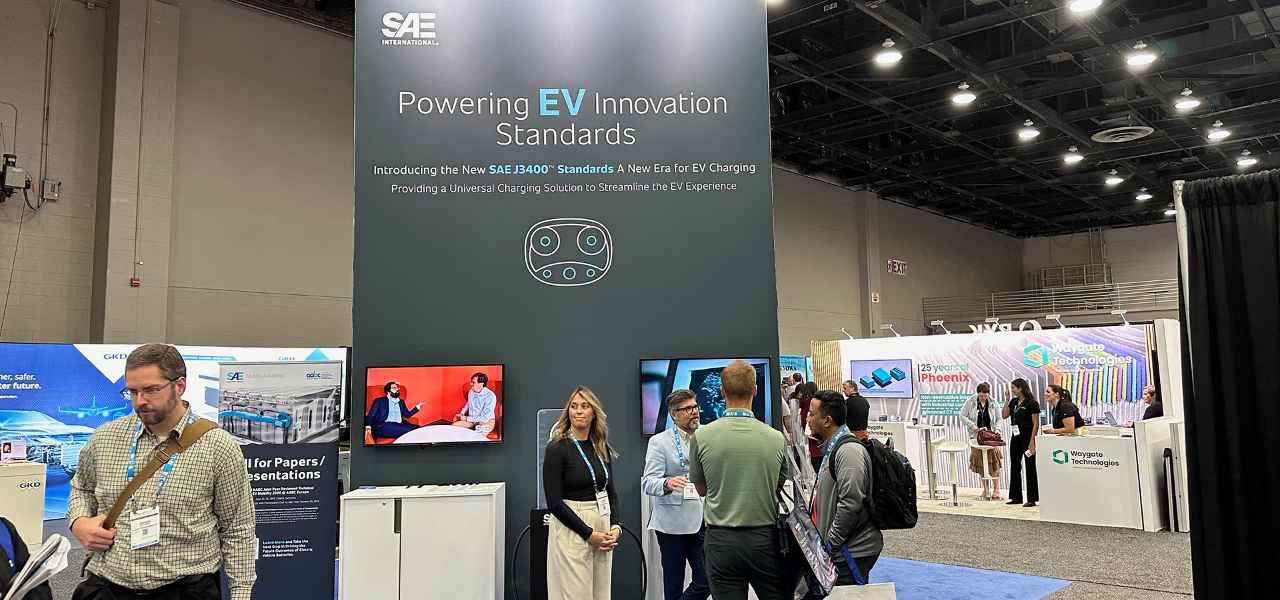 底特律2024年北美電池展上的SAE展位。(Chris Clonts)
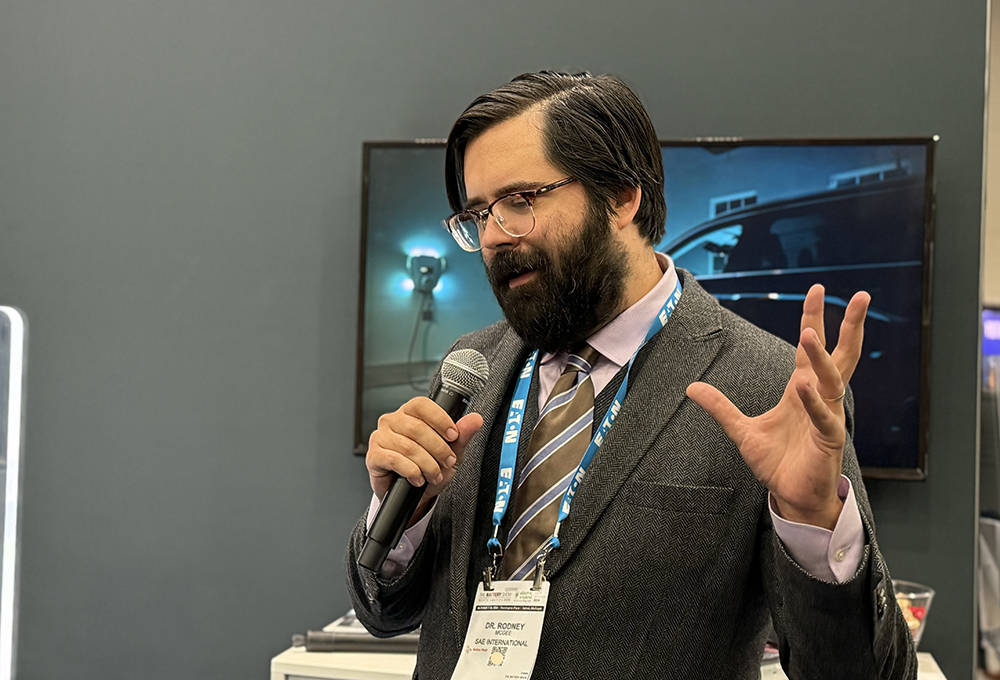 Rodney McGee,NACS J3400 工作組主席、特拉華大學電氣工程教授。(Sebastian Blanco)