殼牌全球解決方案的Karin Haumann在采訪中分享了關(guān)于新型PC-12發(fā)動(dòng)機(jī)機(jī)油的見(jiàn)解,并探討了替代燃料對(duì)其研發(fā)過(guò)程的影響。
八月,殼牌Rotella在俄亥俄州鮑靈格林舉辦的全美拖拉機(jī)拉力錦標(biāo)賽上贊助了Koester Racing車隊(duì)的迷你改裝拖拉機(jī),并在現(xiàn)場(chǎng)接受了記者訪問(wèn)。殼牌全球解決方案的OEM技術(shù)經(jīng)理Karin Haumann接受了SAE的采訪,介紹了公司即將推出的12類(PC-12)重型柴油發(fā)動(dòng)機(jī)機(jī)油。PC-12發(fā)動(dòng)機(jī)機(jī)油目前正在研發(fā)中,預(yù)計(jì)于2027年1月1日獲得使用許可。在售的CK-4和FA-4類別機(jī)油均于2016年推出。
美國(guó)石油學(xué)會(huì)(API)新類別開(kāi)發(fā)小組主席Haumann表示,由于發(fā)動(dòng)機(jī)技術(shù)在不斷進(jìn)步,且2027年起將實(shí)施更嚴(yán)格的排放法規(guī),因此有必要開(kāi)發(fā)新類別的發(fā)動(dòng)機(jī)機(jī)油。她還指出,“隨著柴油發(fā)動(dòng)機(jī)技術(shù)的不斷發(fā)展,機(jī)油需要具備更出色的抗氧化和抗磨損性能,能夠承受更高的溫度,并能提高發(fā)動(dòng)機(jī)的燃油經(jīng)濟(jì)性。”此外,潤(rùn)滑油生產(chǎn)商必須遵守更嚴(yán)格的磷和硫酸鹽灰分限值,否則可能會(huì)損害排放控制系統(tǒng),進(jìn)而影響燃油經(jīng)濟(jì)性。
SAE:PC-12發(fā)動(dòng)機(jī)機(jī)油的開(kāi)發(fā)進(jìn)度如何?
Karin:在符合新要求和性能標(biāo)準(zhǔn)方面,PC-12已基本完成開(kāi)發(fā)。目前,我們正在進(jìn)行發(fā)動(dòng)機(jī)測(cè)功機(jī)測(cè)試,確保新測(cè)試的結(jié)果精確且可重復(fù),同時(shí)我們還在驗(yàn)證基礎(chǔ)油的互換性,并根據(jù)各種指南進(jìn)行交叉參照驗(yàn)證。明年,我們將進(jìn)入為期12個(gè)月的技術(shù)展示期,這是API流程的一部分,在此期間機(jī)油營(yíng)銷商將進(jìn)行測(cè)試并向我們提供性能反饋。我們將根據(jù)這些反饋,確定機(jī)油的最終性能限值。隨后是API強(qiáng)制規(guī)定的1年等待期,在此期間所有公司都可以開(kāi)展測(cè)試。整個(gè)開(kāi)發(fā)過(guò)程預(yù)計(jì)還需兩年左右,目前我們正在開(kāi)展候選機(jī)油的實(shí)地試驗(yàn)及其他相關(guān)工作。
SAE:在PC-12類別下,現(xiàn)有的FA-4機(jī)油如何兼容?
Karin:PC-12機(jī)油分為兩個(gè)子類別:PC-12a(向后兼容)和PC-12b(對(duì)應(yīng)FA-4),二者的要求略有不同。PC-12b僅適用于不再產(chǎn)生5-6%煙炱的現(xiàn)代發(fā)動(dòng)機(jī),因此降低了對(duì)煙炱處理的要求。此外,PC-12b還將包含xW20機(jī)油。這樣一來(lái),5W20或0W20機(jī)油就可以在理論上以新標(biāo)號(hào)獲得許可,目前名稱暫定為FB-4,但還有待確定,我們暫且稱之為FB-4。FB-4與FA-4相似,只是規(guī)定了更低的機(jī)油粘度。我預(yù)計(jì)這些機(jī)油短期內(nèi)不會(huì)進(jìn)入北美市場(chǎng)。我們還在開(kāi)展未來(lái)驗(yàn)證,因?yàn)樵擃悇e預(yù)計(jì)將持續(xù)到2040年。未來(lái)的OEM可能會(huì)使用這些機(jī)油,到時(shí)候我們就不必再開(kāi)發(fā)新的機(jī)油類別了。
SAE:0W20和5W20機(jī)油目前已在歐洲市場(chǎng)應(yīng)用,這對(duì)北美市場(chǎng)有什么影響?
Karin:是的,也正因如此,我們才推出這些新機(jī)油。幾十年來(lái),歐洲和北美市場(chǎng)的發(fā)動(dòng)機(jī)機(jī)油需求都各自發(fā)展,存在差異,而戴姆勒卡車北美(DTNA)、戴姆勒和現(xiàn)已并入傳拓(Traton)的納威司達(dá)(Navistar)等公司在這兩個(gè)市場(chǎng)都開(kāi)展了業(yè)務(wù)。它們都打算推出適用于兩個(gè)市場(chǎng)的單一機(jī)油,以提高效率。此外,它們還在開(kāi)發(fā)同時(shí)適用于兩個(gè)市場(chǎng)的發(fā)動(dòng)機(jī)。因此,我們的目標(biāo)是幫助他們開(kāi)發(fā)兩大市場(chǎng)通用的機(jī)油。但挑戰(zhàn)依然存在,因?yàn)閮傻氐囊螽吘共煌覀円膊幌M髽I(yè)為了迎合所有需求而過(guò)度調(diào)配機(jī)油,這樣反而得不償失。不過(guò),我們確實(shí)看到,OEM現(xiàn)在希望在出廠時(shí)使用低粘度的5W30 FA-4機(jī)油,甚至在未來(lái)可能會(huì)使用5W20 FA-4機(jī)油。因此,我們目前正全力支持這一工作。
SAE:氫內(nèi)燃機(jī)發(fā)展勢(shì)頭向好,這對(duì)你們的業(yè)務(wù)有何影響?
Karin:殼牌會(huì)一如既往地全力支持OEM的發(fā)動(dòng)機(jī)研發(fā),并與其共同開(kāi)發(fā)與發(fā)動(dòng)機(jī)配套的機(jī)油。發(fā)動(dòng)機(jī)制造商開(kāi)始研發(fā)新機(jī)型時(shí),通常會(huì)在現(xiàn)有機(jī)油的基礎(chǔ)上開(kāi)展工作。目前,他們?nèi)栽诖_定新機(jī)油將面臨的挑戰(zhàn)或特殊需求。因此,我們會(huì)與OEM保持密切協(xié)作,為他們提供不同的候選機(jī)油,并借助現(xiàn)有產(chǎn)品支持他們開(kāi)展測(cè)功機(jī)測(cè)試,同時(shí)評(píng)估是否需要提供額外的技術(shù)支持。不過(guò),這些新項(xiàng)目短期內(nèi)不會(huì)影響行業(yè)標(biāo)準(zhǔn)。但不論何時(shí),我們都會(huì)盡全力支持OEM,協(xié)助他們推進(jìn)產(chǎn)品研發(fā)。
SAE:可再生燃料是否會(huì)納入PC-12機(jī)油類別?
Karin:在PC-12類別開(kāi)發(fā)之前,我們首先組建了新類別評(píng)估小組(NCET),之后過(guò)渡到新類別開(kāi)發(fā)小組(NCDT)。在評(píng)估階段,我們與OEM密切協(xié)作,明確他們的需求與目標(biāo)。我們會(huì)討論:“目標(biāo)是什么?需要什么?不需要什么?你們想實(shí)現(xiàn)哪些性能目標(biāo)?是否有必要新增類別?”等問(wèn)題。在評(píng)估過(guò)程中,我們也研究了可再生燃料及其性能的評(píng)估方法。然而,經(jīng)過(guò)討論,我們一致認(rèn)為目前該技術(shù)尚不成熟,不值得納入標(biāo)準(zhǔn)。總之,我們不會(huì)將可再生燃料納入PC-12機(jī)油類別。
根據(jù)發(fā)動(dòng)機(jī)制造商在這一問(wèn)題上的普遍處理方式,以及API文件的指引,如果需要使用替代燃料,建議先咨詢OEM。而OEM的建議通常只是縮短換油周期。實(shí)際上,很多問(wèn)題都是與具體發(fā)動(dòng)機(jī)相關(guān)的。比如他們的發(fā)動(dòng)機(jī)硬件具體如何與某種類型的燃料相適應(yīng)?就像變速箱機(jī)油一樣,該問(wèn)題的針對(duì)性較強(qiáng)。也就是說(shuō),他們會(huì)繼續(xù)這樣處理這個(gè)問(wèn)題,直到行業(yè)確定了替代燃料的一些關(guān)鍵特性。到那時(shí)候他們會(huì)說(shuō):“這個(gè)技術(shù)值得關(guān)注,需要測(cè)試,我們會(huì)推行這個(gè)技術(shù)。”但是行業(yè)目前還沒(méi)有走到這一步。
SAE:當(dāng)PC-12類別于2027年1月開(kāi)始實(shí)施時(shí),您認(rèn)為行業(yè)會(huì)有何反應(yīng)?
Karin:我希望行業(yè)能夠輕松采納。但現(xiàn)行FA-4機(jī)油推廣速度緩慢的原因在于許多車隊(duì)和組織采用的是混合車隊(duì),且應(yīng)用場(chǎng)景復(fù)雜,而且他們經(jīng)常會(huì)選擇通用程度最低的機(jī)油。哪一款機(jī)油可以潤(rùn)滑所有發(fā)動(dòng)機(jī)?如果車隊(duì)中有無(wú)法使用FA-4機(jī)油的非公路設(shè)備或老舊卡車,而且他們知道FA-4發(fā)動(dòng)機(jī)也可以使用CK-4機(jī)油,那么他們通常會(huì)選擇在所有設(shè)備上都直接使用CK-4機(jī)油。不過(guò),目前OEM正與車隊(duì)客戶合作,向他們介紹使用FA-4機(jī)油的好處。實(shí)際上,有些車隊(duì)能夠輕松使用FA-4機(jī)油,因?yàn)樗麄兊乃熊囕v都很現(xiàn)代化,且全是公路用車,車隊(duì)中的卡車使用壽命也都在五年以下。目前,F(xiàn)A-4的使用率增加主要得益于時(shí)間的推移、教育的普及以及車隊(duì)的更新?lián)Q代。然而,如你所知,許多現(xiàn)役發(fā)動(dòng)機(jī)都是老舊產(chǎn)品。
SAE:殼牌的研發(fā)工作主要在哪里開(kāi)展?
Karin:對(duì)于殼牌的特定產(chǎn)品,美國(guó)休斯敦的技術(shù)中心主要負(fù)責(zé)PC-12機(jī)油的研發(fā),而德國(guó)漢堡的技術(shù)中心則專注歐洲市場(chǎng)的機(jī)油研發(fā)。兩個(gè)技術(shù)中心密切合作,致力于尋找可以互補(bǔ)的研發(fā)領(lǐng)域。我們的歐洲同事與我們保持緊密聯(lián)系,因?yàn)槲蚁肓私鈿W洲市場(chǎng)OEM的具體需求、面臨的問(wèn)題以及需要改進(jìn)的地方。這樣一來(lái),我們也會(huì)在PC-12的研發(fā)中盡力滿足這些需求。
SAE:殼牌在研發(fā)過(guò)程中如何考慮賽車或拖拉機(jī)牽引賽等因素?
Karin:我不確定我們是否會(huì)為Koester Racing的應(yīng)用專門開(kāi)發(fā)升級(jí)版機(jī)油。顯然Koester會(huì)有一些特殊需求,這通常是由殼牌賽車部門負(fù)責(zé)的獨(dú)立項(xiàng)目。但與Koester的合作對(duì)我們來(lái)說(shuō)也非常重要,因?yàn)檫@涉及到對(duì)機(jī)油性能的終極壓力測(cè)試。盡管使用的配方可能略有不同,但都是基于我們?cè)?span style="-webkit-tap-highlight-color: transparent; margin: 0px; padding: 0px; outline: 0px; max-width: 100%; box-sizing: border-box !important; overflow-wrap: break-word !important; font-size: 16px; letter-spacing: 0.578px;">Rotella系列中使用的核心化學(xué)配方,只是在某些方面進(jìn)行了調(diào)整,以滿足他們的特定需求。通過(guò)與Koester合作,我們能獲得他們對(duì)機(jī)油性能的反饋,這對(duì)我們來(lái)說(shuō)極為寶貴。就像測(cè)功機(jī)測(cè)試一樣,其本質(zhì)是將跑10萬(wàn)英里的自然過(guò)程加速,并在200小時(shí)內(nèi)完成。這種比賽也類似,它完美展現(xiàn)了我們可以做到這一點(diǎn),因此對(duì)我們來(lái)說(shuō)始終具有重要價(jià)值。
Q&A with Karin Haumann of Shell Global Solutions offers insights into new PC-12 oils and how alternative fuels impact the development process.
Shell Rotella hosted journalists at the National Tractor Pulling Championships in Bowling Green, Ohio, in August, where the company was sponsoring tractors run by Koester Racing in the mini-modified division. Karin Haumann, OEM technical manager of Shell Global Solutions, was onsite and spoke with SAE Media about the approaching proposed category 12 (PC-12) heavy-duty diesel engine oil category. PC-12 engine oils are in development and will be licensed for use on January 1, 2027. The current engine oil categories, CK-4 and FA-4, were introduced in 2016.
Development of the new category is necessary due to advancements in engine technology, and it aligns with stricter emissions regulations that begin in 2027, said Haumann, who serves as chairperson of the API new category development team. “As diesel engine technology evolves, they require oils that offer increased oxidation performance and wear reduction, can handle higher temperatures, and improve fuel economy,” she said. Lubricant producers also must meet reduced phosphorous and sulfated ash limits, which otherwise can compromise emission control systems and negatively impact fuel economy.
Where does PC-12 stand in the development process?
The category is pretty much developed with respect to what the new requirements are, what the performance requirements are. We’re going through testing of the engine dyno tests to get the precision and the repeatability and all of that for the new tests and base oil interchange and read across guidelines, that stuff. In the next year, part of the API process is we have a 12-month tech demonstration period, where the oil marketers will have a year to run the tests and get performance feedback. That all feeds into what the limits are going to be. And then API has a mandatory wait requirement for a year to allow all the companies to have access to the tests. So, we’re about two years away. We’re working on getting candidate oils in field trials and those types of things.
Under PC-12, how do the current FA-4 oils fit into it?
We split the category up into two: PC-12a [for backwards compatibility] and PC-12b, which is the one representing FA-4, because we have slightly different requirements. We’re reducing the soot handling requirement in PC-12b because it’s only for use in modern engines that don’t create 5-6% soot anymore. We’re adding xW20 oils, so we could theoretically license a 5W20 or a 0W20 under the new [designation], presumably it’ll be called FB-4, but we’ll finalize that at the end. But let’s just say FB-4, it’s going to mirror FA-4 with the additional lower viscosities. I don’t expect to see those in the [North American] market anytime soon. We’re future proofing since this category is expected to last through 2040. The OEMs may need that in the future, and we won’t have to develop another category for it.
The 0W20 and 5W20 oils are in Europe now. How does that impact North America?
They are and that’s why we’re introducing those now. You’ve got DTNA and Daimler, Navistar’s now part of Traton, so those companies are working in the two markets whose engine-oil needs have evolved differently over the decades. But they’re trying to gain efficiency by validating one oil across both markets. And they’re trying to develop engines that will work in both markets. So, we’re trying to help them by getting closer to an oil that can be used in both markets. There are still some challenges because the requirements are different, and you don’t want to over-formulate for everybody. That can be counterproductive. But we do see the OEMs now wanting to factory fill with those lower [viscosity] 5W30 FA-4s and even a 5W20 FA-4 in the future. So, we’re trying to support that.
Hydrogen combustion engines are gaining some momentum. How does that factor into what you’re doing?
Shell supports the OEMs and every opportunity that we have to work with them in their engine development and kind of co-develop the oil with the engine. Typically, when an engine manufacturer starts a new development, they will try to start the development on an existing oil that they have. They’re still working on identifying what the stressors are on the oil or what the special needs might be, so we’re working closely, supplying different candidates, supporting their dyno testing with products that we have, and evaluating where there may be some additional needs. That’s not going to trickle into the industry specification for quite some time. But we are working wherever we can with the OEMs to support them with products during their development.
Are renewable fuels considered under PC-12?
Prior to the PC-12 process or the development process, we start with what we call the NCET, new category evaluation team, and then it transitions into new category development team (NCDT). During the evaluation is when we’re working with the OEMs and saying, ‘What do you want? What do you need? What don’t you need? What are the performance targets? And is there a justification for incrementing the category?’ Part of that NCET process, we looked at renewable fuels and how we evaluate for performance. As a group, we just didn’t have enough traction technically to say this is what we should be looking at. So, we decided that was not going to be part of PC-12.
The way the engine manufacturers handle this and the way the API documentation reads is that if you’re using an alternative fuel, consult your OEM. And the way OEMs have been handling it is they just recommend a shorter oil drain interval. A lot of it is kind of engine specific, how is their engine hardware exactly going to be handling what types of fuel? And so it’s a little more specialized, like transmission fluids are. So, that’s how they are going to continue to handle it until we really identify some key features: ‘Oh hey, we need to be watching for and testing for this, and this is how we’re going to do it.’ We’re just not there yet at the industry level.
How do you expect the industry to respond come January 2027?
I wish I could say that it was easy. The problem with the [slower] take rate on FA-4 is so many fleets and organizations have a mixed fleet, mixed applications, and they kind of gravitate to the least common denominator. What’s the one oil that I know can lubricate everything? If they’ve got off-highway equipment or older trucks in their fleet that can’t use FA-4, well they know the FA-4 engine can use CK-4, so let’s just use CK-4 in everything. I will say that the OEMs are working with their fleet customers, expressing the benefits of using it. To be honest, there’s a certain type of fleet that can use it because everything they have is modern. Everything they have is on-highway, all of their trucks are less than five years old. Those kinds of fleets can very easily adopt it. What’s contributed to the increase in FA-4 adoption now is just time, education, people learning about it, fleet turning over. But as you know, in this industry, some of these engines that are on the road are not new.
Where is the development work taking place for Shell?
For our specific products, our main technology center in Houston is in charge of the PC-12 development. We have a technology center also in Hamburg [Germany] that focuses on the development for the European oils. We work very closely together because we’re trying to identify areas where we can overlap. My counterparts in Europe are very tied into what we’re doing … because I want to hear, what are the OEMs over there asking for specifically? What problems are they having? What improvements do they need? So, we try to incorporate as much of that into the PC-12 that we can.
How does motorsports or tractor pulling, for example, tie into Shell’s development?
I don’t know if we’ll be working on a specialized upgrade for [Koester Racing’s] application. That’s a separate thing [handled mostly by Shell’s motorsports unit] because they’ve got some unique needs obviously. But what we do with Koester is important because this is the ultimate stress test on the oil. Their formulation might be slightly different, but it’s based on a core chemistry that we use in Rotella – might have a little tweak here and there for something extra they need. We’re able to get feedback from Koester on how they see the performance. That really does help us. Just like the dyno tests, the purpose is to accelerate a natural phenomenon that takes a hundred thousand miles, but we want to do it in 200 hours. This is similar, it’s a perfect example of how we can do that. So, that’s always valuable for us.

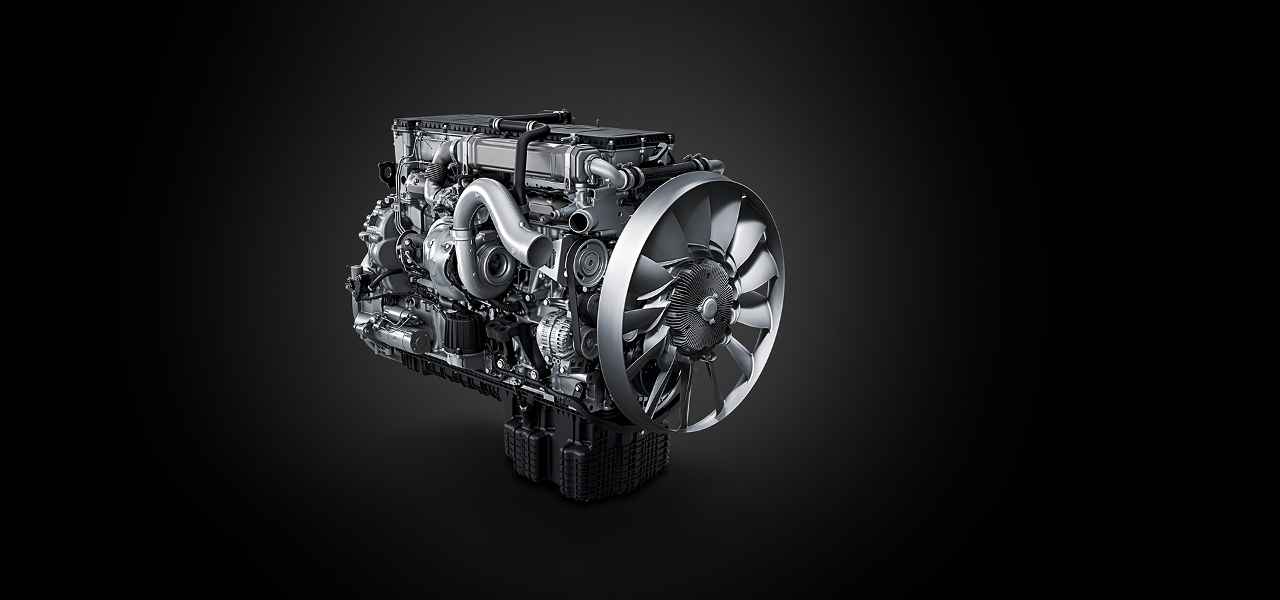 低粘度xW20發(fā)動(dòng)機(jī)機(jī)油已在歐洲開(kāi)展應(yīng)用。如圖所示,梅賽德斯-奔馳卡車第三代OM 471發(fā)動(dòng)機(jī)采用的“全新研發(fā)的低粘度發(fā)動(dòng)機(jī)機(jī)油”不僅能改善油壓控制,還能提升燃油效率。(梅賽德斯)
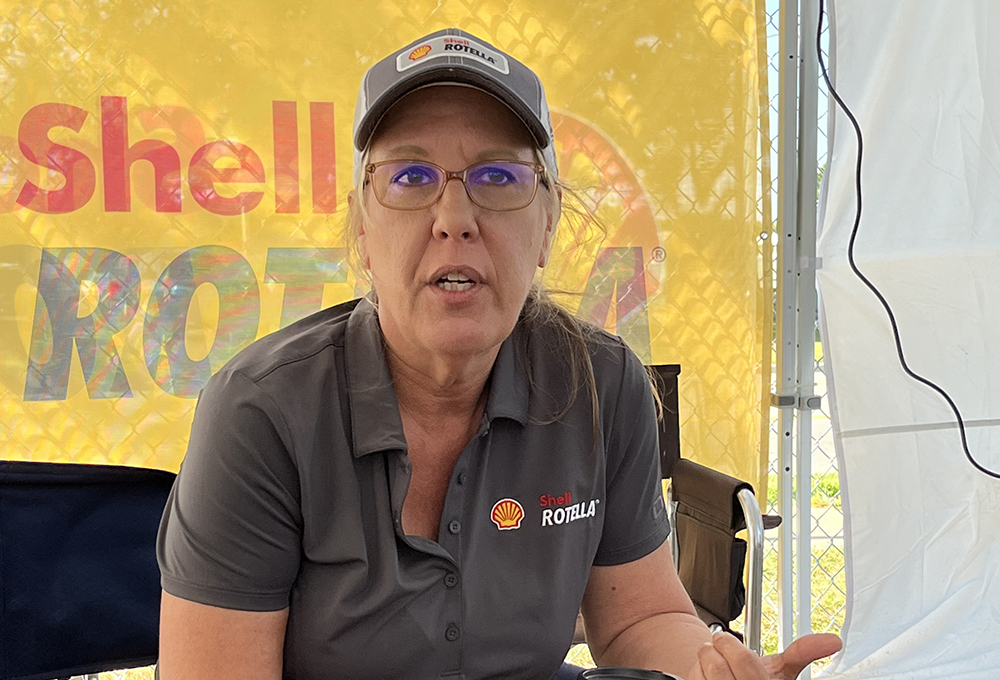 殼牌全球解決方案 OEM 技術(shù)經(jīng)理 Karin Haumann 在俄亥俄州鮑靈格林舉行的全國(guó)拖拉機(jī)拉力錦標(biāo)賽上。(SAE/Ryan Gehm)
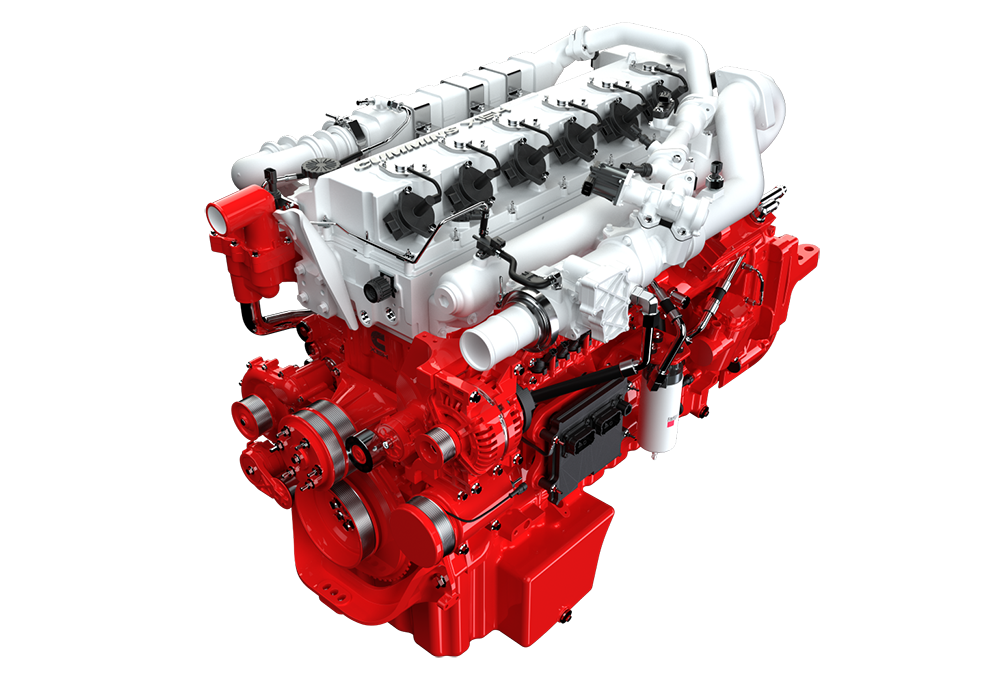 殼牌與氫燃料發(fā)動(dòng)機(jī)(如圖中的康明斯 X15H)等新開(kāi)發(fā)產(chǎn)品的制造商密切合作,提供候選機(jī)油、支持動(dòng)力測(cè)試并評(píng)估其他需求。(康明斯)
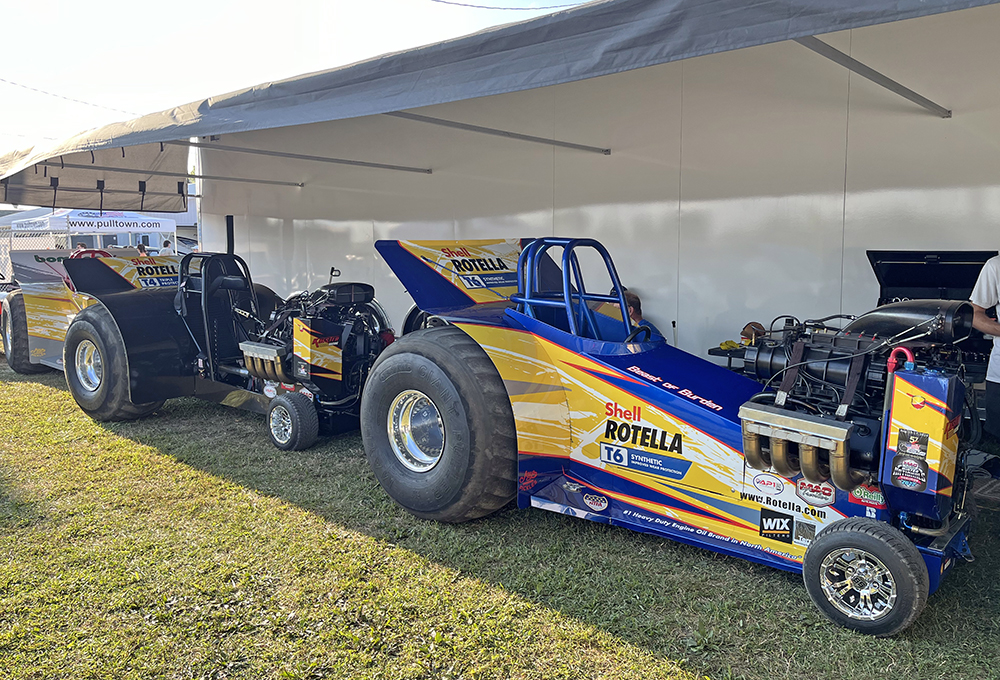 Koester Racing的殼牌Rotella贊助的拖拉機(jī)使用基于核心化學(xué)成分的發(fā)動(dòng)機(jī)機(jī)油,但 “在這里和那里做了一些調(diào)整”。(SAE/Ryan Gehm)
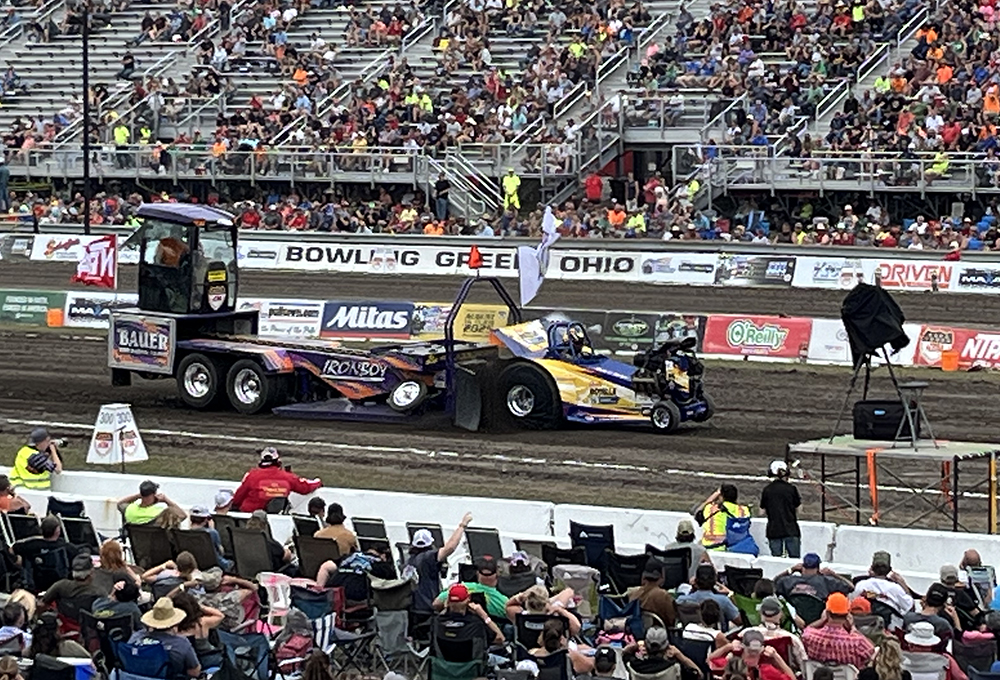 拖拉機(jī)牽引與測(cè)功機(jī)測(cè)試類似,都是對(duì)自然現(xiàn)象的加速,對(duì)殼牌的研發(fā)工作很有價(jià)值。(SAE/Ryan Gehm)