VI-grade推出了一款可用于多屬性虛擬測試的駕駛員體感全頻譜動態模擬器(DiM FSS)。
盡管5月中旬的意大利東北部陰雨綿綿,但2024年VI-grade零原型峰會(ZPS)的現場氣氛卻十分明朗。VI-grade的全球合作伙伴紛紛親臨現場,見證VI-grade新款多屬性應用DiM FSS的全球首次亮相。
DiM FSS是VI-grade先進駕駛員體感模擬器的升級版,采用碳纖維駕駛艙,并配備可安裝在現有動態駕駛器頂部的振動器,能夠同時提供NVH和動態模擬。
對于總部位于德國達姆施塔特的VI-grade而言,5月是一個忙碌的月份。該公司于2018年被Spectris plc收購,現在隸屬于HBK的虛擬測試部門(HBK本身隸屬于Spectris plc)。HBK總裁Ben Bryson在接受SAE采訪時表示,VI-grade虛擬測試工具可以顯著縮短產品上市時間,“在某些情況下,甚至可以縮短一半,”同時它還可以削減高達20%的成本。他還指出,除了上述優勢外,VI-grade虛擬測試工具還可以獲得實時、準確的反饋,高端品牌對此尤其感興趣。
他指出,“像BMW和AMG這樣的公司,需要在品牌的整個創新周期中進行保密,但同時也需要確保他們設計的產品及其物理屬性、結構載荷和動力學特征與駕駛員在環境中的感知一致。”
賓利在ZPS峰會上發表了一場題為“虛擬優先(Virtual-First)思維在工程設計中的重要性”的演講。該公司5月上旬就已宣布,將使用VI-grade緊湊型FSS模擬器為其即將推出的電動汽車構建虛擬原型,并強調將重點用于改進NVH開發以及駕乘與操控調試。賓利將在其位于英國克魯的新建駕駛員在環(DiL)中心安裝緊湊型FSS。
美國密歇根大學先進出行研究中心Mcity也于5月宣布,將使用VI-grade緊湊型模擬器和VI-grade VI-WorldSim軟件堆棧測試自動駕駛技術。
本次峰會上最重磅的消息或許是,獨立工程服務供應商EDAG集團宣布將于今年春季開放其位于德國沃爾夫斯堡的第一家配備VI-grade線纜驅動DiM500模擬器的零原型實驗室(ZPL)。EDAG車輛運動與高性能車輛高級專家Jonas Grötzinger向SAE媒體透露,該實驗室還擁有另外兩個VI-grade模擬器——1個桌面級模擬器和1個緊湊型FSS模擬器,兩者均可運行Autohawk16。但DiM500模擬器更有可能使OEM(例如位于實驗室附近的大眾汽車)選擇使用EDAG的服務。DiM500模擬器的縱橫向移動量為5米(16英尺)、1.5G力,垂直移動量為298mm(12英寸)、2.5G力。
他指出,“我們選擇DiM500的原因在于可以對雙車道變道等相關操作進行一對一追蹤(cueing),同時它還具有良好的乘坐舒適性。相比之下,在DiM250和DiM400等更小型的模擬器上,我們只能降低追蹤比例,因此它提供的力與駕駛員在真車上感受的力不是一比一的關系,比例可能只有0.5或0.7。這就意味著駕駛員必須根據模擬器調整自身感受。”
Grötzinger指出,EDAG零原型實驗室的獨特優勢在于其模擬器可以組合使用。
“零原型實驗室還配備一個FSS模擬器,因為我們想將操控和轉向的開發與NVH以及更高頻的乘坐舒適性開發結合起來,我認為這種組合在市場上是獨一無二的。此外,實驗室還有另一個桌面級模擬器,它可用于更新和開發模型,以及在使用其他模擬器前對模型進行小規模檢查。”
DiM500和FSS模擬器的組合使用還意味著EDAG可以利用在真實測試或仿真中重新生成的數據進行全新的測試。
“我們還可以將這些功能進行組合。比如,只播放前軸或后軸的聲音,或同時播放,此外還可以增加或去除風噪等等。這些功能對于工程師非常有用,因為在現實世界或試驗場上很難實現這些操作。”他笑著說,“畢竟拆除了一根車軸,汽車就沒辦法駕駛了。”
Grötzinger表示,“DiM500只能運行特定頻率的結構輸入,但FSS模擬器對結構傳遞路徑和空氣傳遞路徑沒有限制,因此空氣噪聲模擬只能在FSS模擬器上進行。我們可以使用在汽車試驗場測量的空氣噪聲和模擬器的信號,還可以使用模擬的傳遞路徑。”
VI-grade董事總經理Guido Bairati向SAE表示,一家公司使用的模擬器數量越多,其虛擬測試的整體效果就越好。
Bairati表示,“如果貴公司真的想要改變汽車研發方式、加速產品研發進程和減少實體原型車的數量,就必須相信仿真和模擬器的能力。這意味著貴公司應當像福特、Stellantis和本田一樣,開始在各種設施中應用模擬器。此外,貴公司還需要擁有多個模擬器,這樣才能在虛擬測試中利用數字孿生技術研究各種不同的領域。只有這樣,才能真正做到改變汽車研發方式和縮短研發時間。”
盡管ZPS峰會的預測非常樂觀,但汽車行業何時才能真正實現零原型開發尚不明確。在會議間歇和非正式談話期間,許多與會者向SAE透露,雖然虛擬測試具有潛在優勢,但他們在很難說服公司全面投資虛擬測試。不過,Bairati指出,他認為許多公司已經接近零原型開發階段,只是不愿意透露而已。
他指出,“我堅信2024年可全面實現虛擬汽車開發的目標,這意味著貴公司在生產第一輛實體原型車時就已基本正確無誤。然而,有些公司的決策制定者依然持有老派工程師的觀點,他們不太相信仿真模型的可靠性和可預測性可以達到真實汽車的水平,文化觀念的轉變還有待實現。”
Despite rainy skies above northeastern Italy in mid-May, the mood at VI-grade’s 2024 Zero Prototype Summit (ZPS) was decidedly sunny. VI-grade’s partners from around the world were on hand to see the world premiere of the company’s new Driver in Motion Full-Spectrum Dynamic Simulator (DiM FSS) that allows for multi-attribute applications.
An update to VI-grade’s advanced DiM units, the DiM FSS features a carbon fiber cockpit with shakers that can be mounted on top of VI-grade’s existing dynamic simulators to provide NVH simulations at the same time as dynamic simulations.
May was a busy month for the Darmstadt, Germany-based VI-grade (owned since 2018 by Spectris plc). VI-grade is part of HBK’s Virtual Test Division (HBK is itself part of Spectris plc). HBK CEO Ben Bryson told SAE Media that VI-grade’s virtual test tools can significantly improve time to market - “in some cases, it’s halved,” he said - while reducing costs by up to 20%. These benefits, as well as getting real-time, accurate feedback, are of particular interest to premium brands, he said.
“Companies like BMW and AMG need to know that their brand is protected through the innovation cycle, and that the products that they’ve designed, their physical attributes, the structural load and dynamics, match how the driver feels in that environment,” he said.
Bentley Motors participated in ZPS with a presentation on the “Importance of a Virtual-First Mindset in Engineering.” The automaker backed up this viewpoint by announcing earlier in the month that it would use VI-grade's Compact FSS Simulator to build virtual prototypes of upcoming EV models, noting specifically that the digital tools would be used to improve NVH development and ride and handling tuning. Bentley will install the Compact FSS at its new Driver-in-the-Loop (DiL) Hub that it is building in Crewe, UK.
In the U.S., the University of Michigan's advanced mobility research center, Mcity, also announced in May that it would use VI-grade’s Compact Simulator to test autonomous technologies with VI-grade’s VI-WorldSim software stack.
EDAG’s Zero Prototype Lab opening soon
But perhaps the biggest news out of ZPS was independent engineering services provider EDAG Group announcing it would open the first EDAG Zero Prototype Lab (ZPL) in Wolfsburg, Germany, this spring featuring VI-grade’s Cable Driven DiM500 Simulator. Jonas Grötzinger, senior expert for vehicle motion and performance vehicles at EDAG, told SAE Media that the ZPL already has two other VI-grade simulators – a desktop unit running and a Compact FSS simulator both running Autohawk16 – but it’s the DiM500 that is more likely to convince OEMs, including nearby VW, to use EDAG’s services. The DiM500 has 5 meters (16 ft) and 1.5G of longitudinal and lateral movement and 298 mm (12 inches) and 2.5G of vertical movement.
“We choose the DiM500 because we can do one-to-one cueing for a lot of relevant maneuvers, including double lane change maneuvers, in combination with a good ride comfort performance,” he said. “On a smaller simulator. like a DiM250 or DiM400, you have to use lower cueing so it’s not one-to-one to the force you get on the body, it’s maybe 0.5 or 0.7. That means the driver had to adapt his feeling to the simulator.”
It’s the combination of simulators that Grötzinger said sets EDAG’s ZPL apart.
“We also have an FSS simulator in the lab because we want to combine the attribute development between the handling and steering with the attribute development in NVH and higher frequency ride comfort, and I think this combination is unique on the market,” he said. “The additional desktop simulator [can be used] to update models, to develop models, and do small checks of the models before using the other simulators.”
The combination of the DiM500 and the FSS simulator also means EDAG can run completely new tests by regenerating data from real-world tests or from simulations.
“You can also make a combination out of this. You can hear only the input from the front axle, or only the input from the rear axle, or from both. You can add wind noise or remove wind noise, and so on. It’s quite good for the engineers because it’s quite difficult to do it in the real world or on the proving grounds,” he said, laughing. “It’s not possible to remove one axle and then drive the car again.”
“With the DiM500, we can only run structural inputs up to a certain level of frequency,” he said. “With the FSS simulator, there’s no limit between the structural transfer path and airborne transfer path. Of course, the airborne noise will be simulated in the FSS simulator. And we can use airborne noise that was measured from a car on the proving ground and use the signals in a simulator as well as we can use transfer paths from the simulation.”
The more, the merrier
VI-grade managing director Guido Bairati told SAE Media that the more simulators a company uses, the better its overall virtual testing becomes.
“If you really want to change the way you develop vehicles, if you really want to accelerate product development, if you really want to decrease the number of physical prototypes, you have to believe in what simulation and simulators can do,” Bairati said. “Believing in a simulator means that you start using simulators in all different locations like Ford is doing, like Stellantis is doing, like Honda is doing, and you need to have a number of simulators in order to study all different disciplines virtually using digital twins. That’s the only way to be able to really say that you are changing the way you develop vehicles and that you are shrinking the development time.”
Despite the sunny predictions at ZPS, there were some clouds obscuring exactly when the industry will reach truly zero-prototype development capability. During breaks and informal conversations, many attendees told SAE Media they face steep challenges getting their companies to fully invest in virtual testing, despite the potential benefits. Bairati, though, said he thinks companies are closer to zero prototypes than they’re willing to say.
“I’m fully convinced that in 2024, a vehicle can be developed fully, virtually,” he said. “That means the first prototype you build, it’s basically right. But some of the decision-makers are still old-school engineers, and they don’t really believe that simulation models can reach the level of reliability and predictability that they actually are able to reach. It’s a cultural shift.”

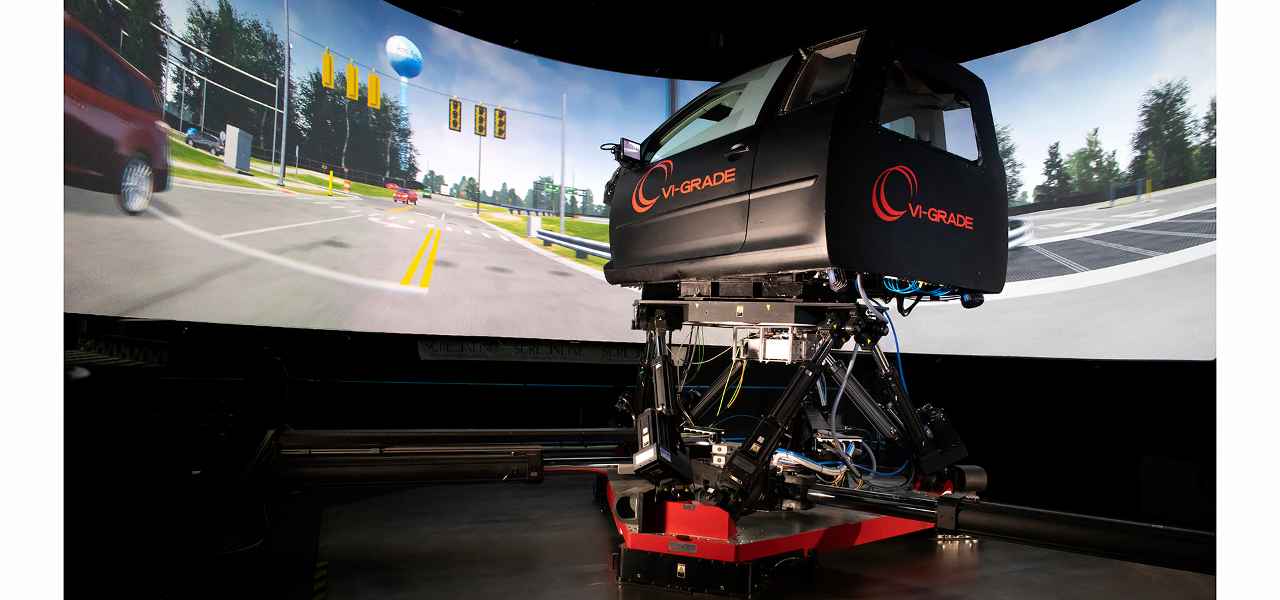 VI-grade的駕駛員體感DiM50模擬器可與其VI-WorldSim駕駛場景仿真軟件結合使用。(VI-grade)
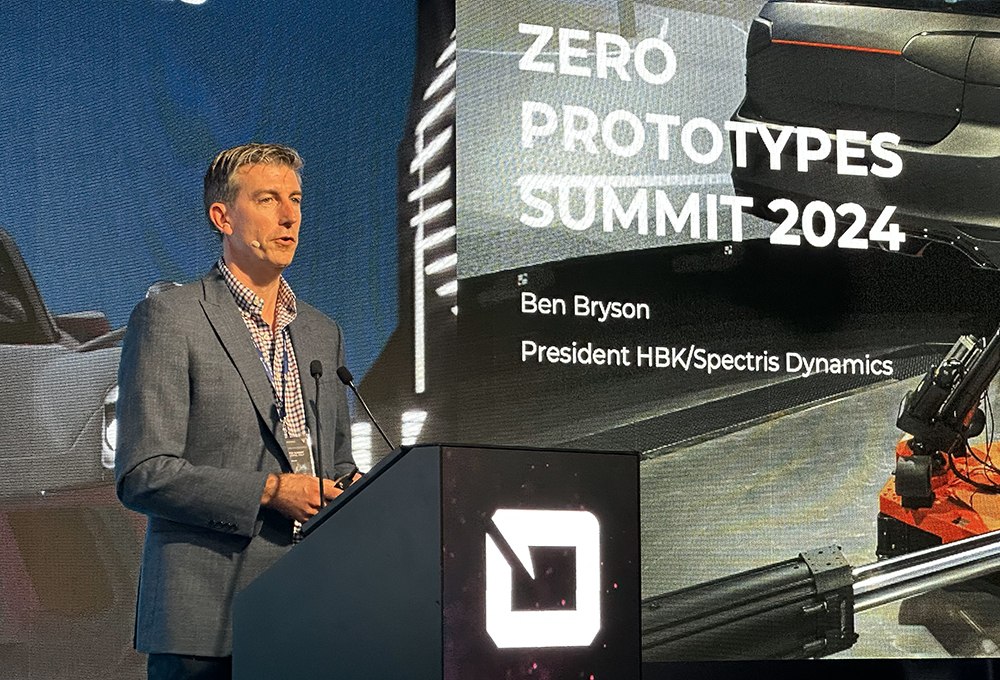 HBK總裁Ben Bryson在ZPS 2024 發言。(SEBASTIAN BLANCO)
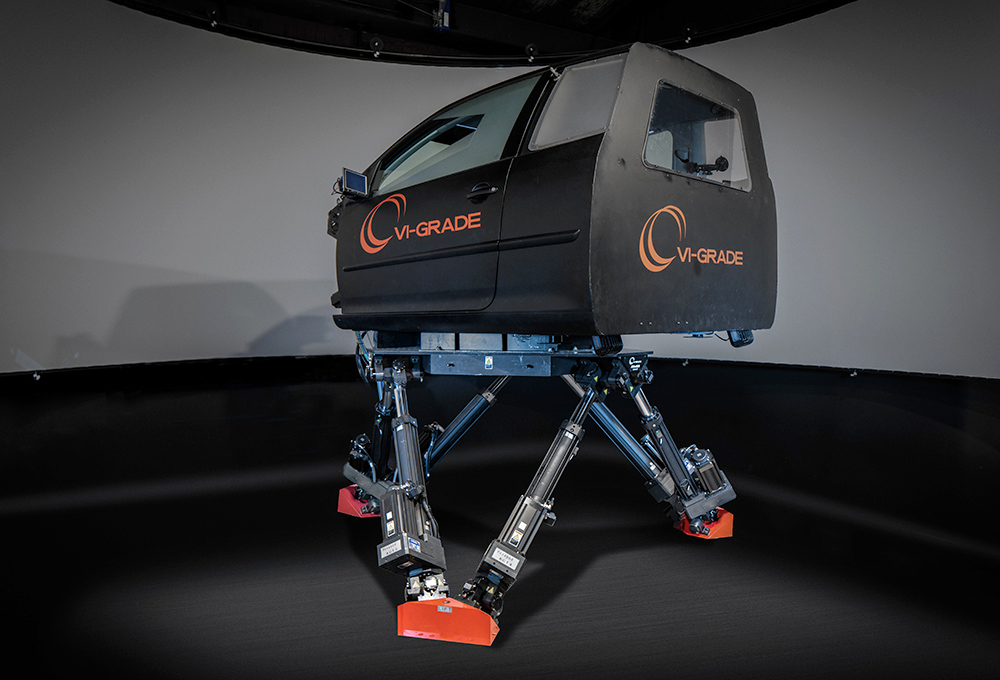 VI-grade 的 Driver-in-Motion DiM50 是一種動態駕駛員在環模擬器,可進行駕駛和操控以及 ADAS 模擬。(VI-grade)
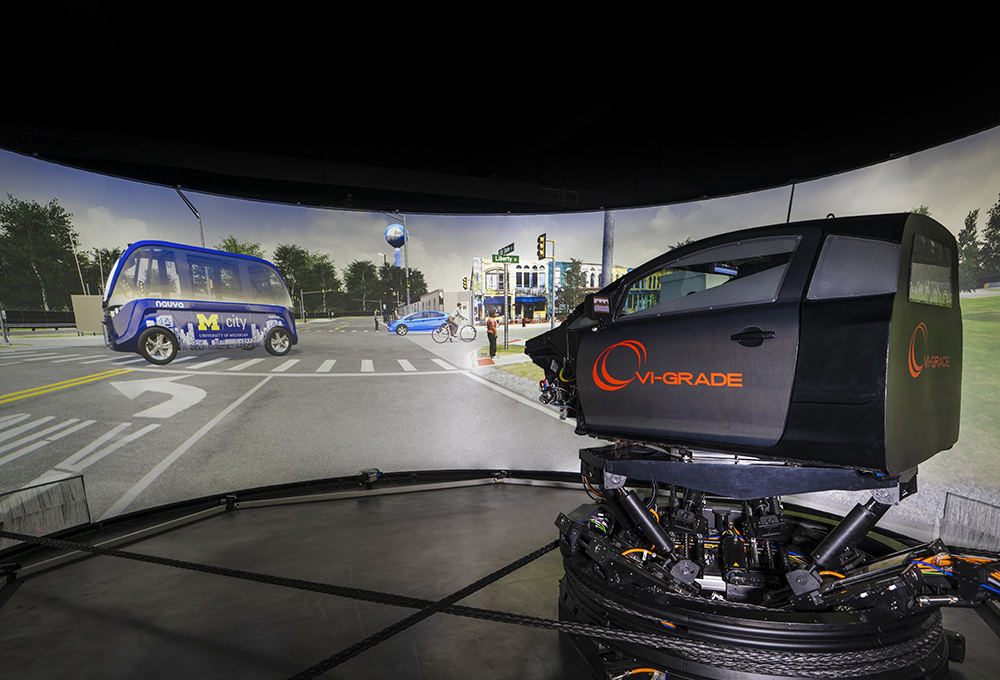 密歇根大學將在其 Mcity 高級交通研究中心使用 VI-grade 的動態駕駛 DiM400 模擬器。(VI-grade)
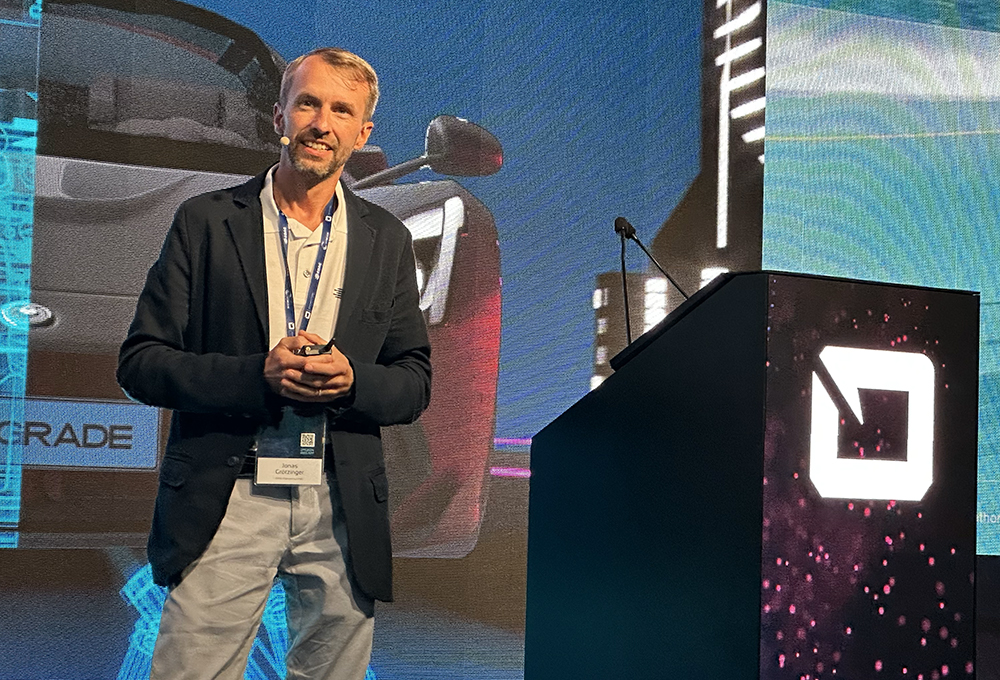 EDAG車輛運動與高性能車輛高級專家Jonas Gr?tzinger在 ZPS 2024 上發表演講。(SEBASTIAN BLANCO)
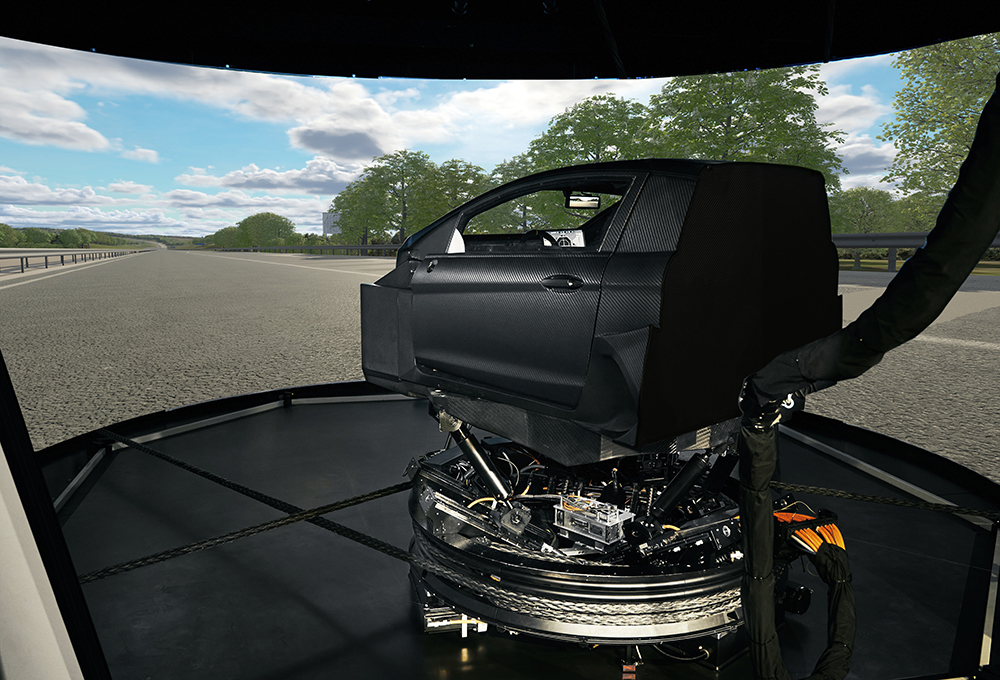 與最初的 DiM150 和 DiM250 模擬器相比,DiM400 在下級平臺上使用了獨特的電纜驅動系統,使運動包絡面更大,曝光時間更長。(VI-grade)
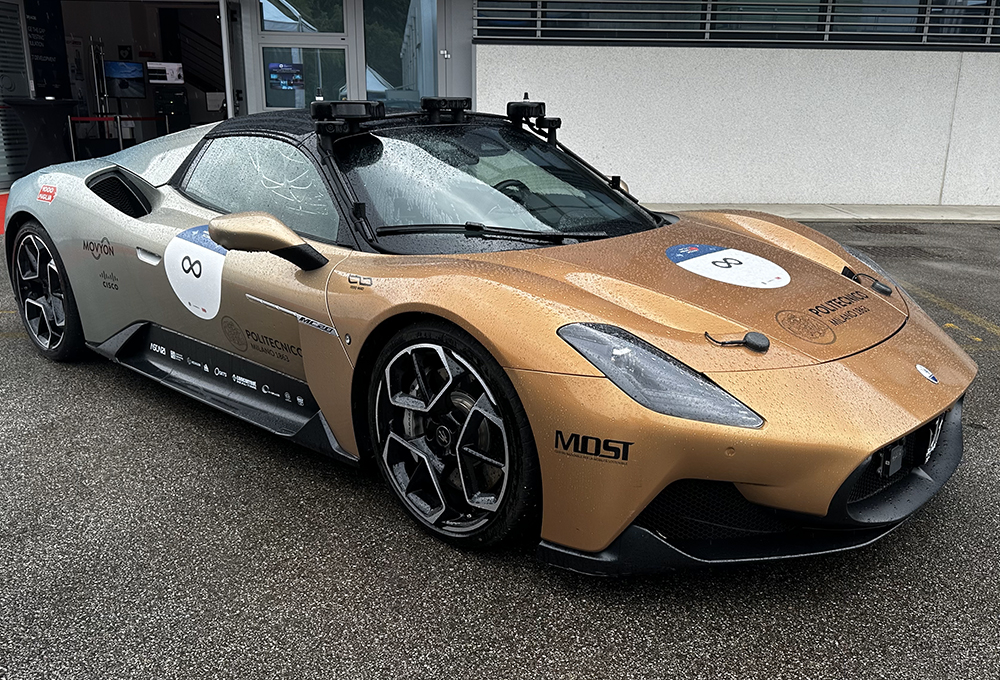 米蘭理工大學為 2023 年的 1000 Miglia 自動駕駛大賽改裝了一輛采用自動駕駛技術的瑪莎拉蒂 MC20 Cielo。(SEBASTIAN BLANCO)
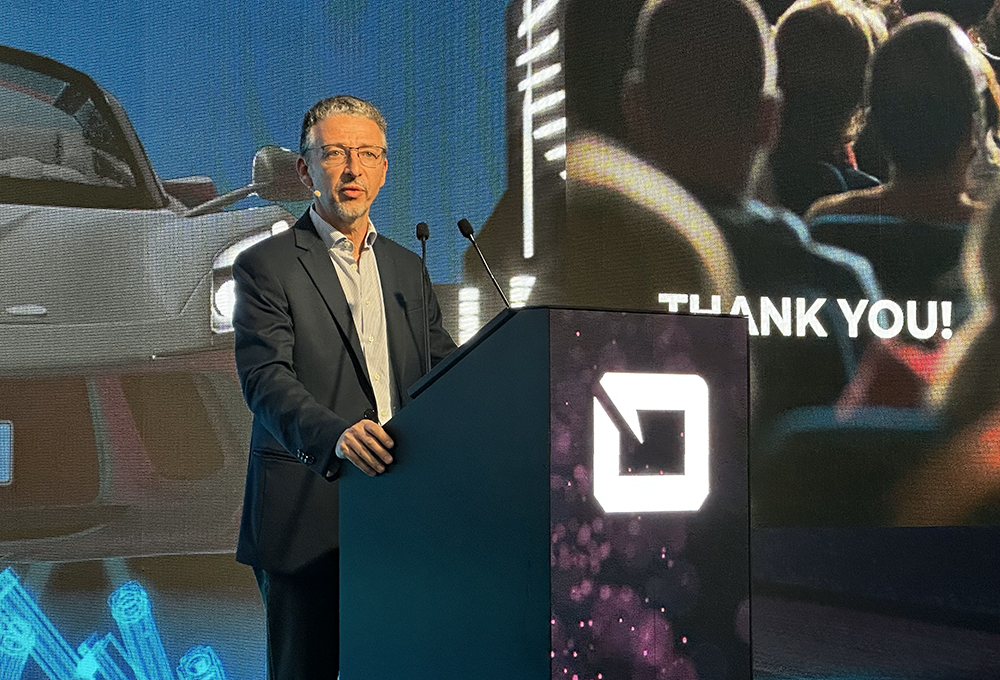 VI-grade董事總經理 Guido Bairati。(SEBASTIAN BLANCO)