自動駕駛車輛的設計和座位配置明顯不同于傳統車輛,因此我們必須制定專門針對自動駕駛汽車的準確可靠的碰撞測試。對此,我們還有大量工作要做。
美國國家公路交通安全管理局(NHTSA)計劃將在日后更新其《新車評價規程》(NCAP),并出臺新的碰撞測試方案,這對于消費者和出行安全系統行業而言,無疑是好消息。修訂后的NCAP規程很可能將加強乘客安全測試及自適應巡航控制、自動剎車等主動安全測試。
這也有利于自動駕駛汽車開發者。研究顯示,美國消費者現在對自動駕駛汽車依然存在抵制心理,這樣的測試可以贏得公眾對自動駕駛汽車安全性的信任,繼而使其逐漸接受自動駕駛汽車,拉動消費需求,為一個更安全的移動出行的未來鋪平道路。
雖然將主動安全納入測試規程確實是樹立了一個重要的先例,但這也只是冰山一角而已。令人惋惜的是,實踐表明,自動駕駛汽車也會發生碰撞事故。自動駕駛車輛的設計和座位配置明顯不同于傳統車輛,因此我們必須制定專門針對自動駕駛汽車的準確可靠的碰撞測試。對此,我們還有大量工作要做。盡管還要過上數年,這些設計才會出現在主流車型上,但我們必須現在就開始著手規范相應測試。
乘客位置的難題
斜躺的座椅是首當其沖的一個重大設計變更,對此必須制定全新的乘客碰撞測試。未來,在自動駕駛車輛上,因為無需再注意路況,我們會更傾向于斜躺在座椅上休息,看電影甚至睡覺。哪怕是對座椅后背的角度做極其細微的調整,都會對乘客在發生碰撞時的安全產生重大影響。
假設一名乘客靠在傾斜角度為23°的座椅上,如果他把座椅調到33°或43°,看上去似乎和23°沒有太大的區別。但是如果發生碰撞,靠在23°、33°或43°的座椅上,該名乘客受傷的概率和嚴重程度會依次顯著上升。雖然現在的仿真測試假人(ATD)可以收集更多的傳感器數據,但是它們并不適用于自動駕駛汽車的座椅設計。
新的座椅布局還帶來了另外一個挑戰。我們都在概念車型上見過自動駕駛車輛的全新座椅布局。因為不再需要人類駕駛員,也不需要人類注意路況,乘客可以像在火車里一樣面對面坐著。可旋轉的座椅是另外一項全新設計,乘客可以自行變換方向,以心儀的角度欣賞車外的風景。
雖然這些新的布局足以喚起人們對未來自駕出行的美好暢想和憧憬之情,但它們也迫使我們必須對碰撞測試方案進行大幅度修改。圓桌型或方桌型的座椅布局意味著,測試的重點將由以前的前向碰撞變為側向或后向碰撞。因此,我們必須制定全新的碰撞測試規程,將這些重要場景包括進去。
當然,還有一些問題也亟待思考,比如新的安全帶、安全氣囊和座椅的研發問題。新的座椅布局將推動整個安全系統行業的變革。供應商需要重新設計產品,和整車企業合作修改約束,并開展測試,以確保車輛的耐撞性。
下一步是關鍵
移動出行行業需要匯集最優秀的人才和最具創意的想法,以建立和完善一套完整的針對自動駕駛車輛的碰撞測試。盡管我們現在還缺乏一些重要的工具——如尚處于設計階段的適應性仿真試驗假人,但我們必須盡早采納新的NCAP測試方案。對于新測試,有許多目前就可以著手開展的工作,比如引入虛擬測試,在可靠的仿真環境中,測量乘客在不同場景下的碰撞事故中所受到的影響。
自動駕駛的安全問題也為公私合作提供了一個寶貴的契機,企業和政府應共同為改善測試群策群力。例如,政府在尸體碰撞測試上經驗豐富,而企業在開發和實施物理和仿真測試上碩果累累,如果兩者能相互結合,那么勢必會大有裨益。
如果要孕育并拓展自動駕駛汽車市場,我們不能只依靠美國帶領全球推動技術創新。為了實現自動駕駛汽車市場的蓬勃發展,我們有大量要做的工作,規范新的碰撞測試就是其中一個當務之急。此外還需建立配套的基礎設施和道路,出臺全國統一的自動駕駛汽車監管政策。
如果我們等到自動駕駛技術發展以后再來制定碰撞測試規程,那便是大錯特錯了。盡管離自動駕駛汽車稱霸道路還有些時日,但是整車企業為了讓自動駕駛汽車最終上路整車,已經樹立了一個又一個雄心勃勃的目標。
如果現在忽視制定全新測試的必要性,將來定是亡羊補牢為時以晚,無數生命將陷于危險,順便也將葬送全球自動駕駛汽車市場的合作機會。
There is much work to be done in creating accurate, reliable tests for occupant crashworthiness tailored to new AV designs and seating configurations.
NHTSA’s plan to eventually update its New Car Assessment Program (NCAP) with new crash-test protocols is good news for both consumers and the mobility safety-systems industry. A revised NCAP will likely feature enhanced occupant safety testing as well as testing of active-safety features such as adaptive cruise control and automatic braking.
It’s also a positive step for autonomous vehicle (AV) developers. Studies show U.S. consumers are still resistant to the idea of self-driving cars, and such testing will provide the public with assurances that these vehicles are safe. This should serve to “warm up” consumers to the idea of a world with AVs, boosting demand and paving the way for an increasingly safer mobility future.
While the inclusion of testing procedures for active safety features would set an important precedent, this is only the tip of the iceberg. Unfortunately, AVs have proven that they are not immune to crashes. There is much work to be done, particularly when it comes to creating accurate, reliable tests for occupant crashworthiness tailored to new AV designs and seating configurations. And even though such designs may still be a few years away from mainstream consumer adoption, it would be a mistake to wait.
Occupant-position challenges
Reclining seats are one of the first significant design changes that will demand a new set of occupant crashworthiness tests. We will be more apt to recline the seat in an AV because we won’t have to pay attention to the road; we may be watching a movie or even taking a nap. Even the slightest changes in backrest angle can have a significant impact on occupant susceptibility to injury in the event of a crash.
Let’s say an occupant is sitting in a car seat that has its backrest position set at 23 degrees. Reclining the seat to 33 or 43 degrees is not an extreme di?erence, yet the rate and severity of injury could increase significantly under each of these circumstances. While current anthropomorphic test dummies (ATDs) gather more sensor data than ever before, they are not designed for these new seating conditions.
New seating positions present another challenge. We’ve all seen the new seating layouts for AVs presented in concept cars. Passengers can sit facing one another, as in a railcar, because no one will need to drive or focus attention on the road. Rotatable seats are another new feature, allowing passengers to change their view and look at the surrounding scenery at any angle they prefer.
While seeing these new layouts may spark the imagination and excitement for future automotive travel, they too will require major crash-test protocol changes. Roundtable and quad seating positions mean that what was once a frontal crash is now essentially a side or rear crash. Entirely new crash testing procedures need to be developed to address these likely impact scenarios.
Of course, there are additional questions to ponder, such as the development of new seatbelts, airbags and seats. New seating positions will send a ripple e?ect of needed changes throughout the safety systems community. Suppliers will need to reconfigure their products and collaborate with vehicle OEMs to modify restraints and conduct tests to ensure vehicle crashworthiness.
Next steps are vital
The mobility industry needs to bring the best and the brightest together to develop and refine new tests that would assess occupant crashworthiness of AVs in a comprehensive manner. While it’s true that there are some vital pieces of equipment that we may not yet have at our disposal—such as adaptable ATDs that are currently in the design phase—we should resist the temptation to delay the introduction of new NCAP testing protocols. There is much we can do immediately in this area. Virtual testing, for example, can be used now to provide a reliable simulation of occupant impact during a crash under various conditions.
AV safety also represents a prime opportunity for private industry and government to work together, bringing together their collective expertise in various aspects of testing. For example, there is value in combining the government’s experience in crashtesting cadavers with private industry’s strength in developing and executing physical and simulated tests.
When it comes to building and nurturing a thriving AV market, we can’t rest on the fact that the U.S. leads the way in AV innovation. Addressing occupant crashworthiness is just as important to promoting a thriving AV market as are other widely publicized priorities, including ensuring infrastructure and road readiness, and establishing consistent nationwide policies governing AVs.
It would be a significant mistake to wait for further development of AV technologies before tackling the issue of testing for occupant crashworthiness. While a world where driverless cars rule the road is still many years o?, automotive OEMs are continuing to set ambitious goals for the roll-out of these vehicles on to our roads.
If we ignore the need for specialized tests, we risk finding ourselves in a never-ending game of catch-up that will put lives at risk and threaten our opportunity for global AV market leadership.
Author: Christopher O’Connor
Source: SAE Autonomous Vehicle Engineering

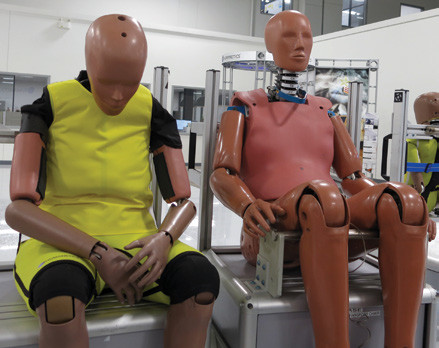 目前使用的擬人測試假人(上)收集的傳感器數據比以往任何時候都多,但它們不是為自動駕駛汽車的新座椅條件設計的,例如所示的Zoox概念車。(圖片來源:Lindsay Brooke; Zoox)
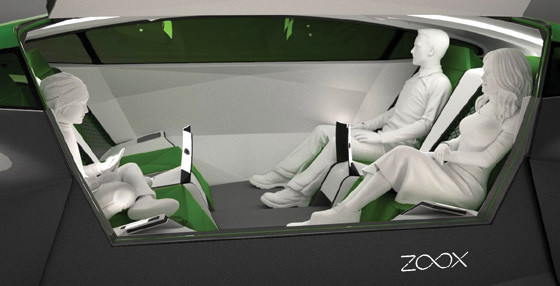 目前使用的擬人測試假人(上)收集的傳感器數據比以往任何時候都多,但它們不是為自動駕駛汽車的新座椅條件設計的,例如所示的Zoox概念車。(圖片來源:Lindsay Brooke; Zoox)