人們常說,溝通是建立信任的關鍵。人與人之間需要坦率溝通,才能建立彼此的信任。然而,無論對于何種人際關系而言,如何溝通都是一件十分復雜的問題,各方往往無法就同一事件達成共識。
而現在,如果把關系的當事方從“人與人”變為“人與自動駕駛汽車”,想必要達到“心有靈犀”,難度只會有增無減。而這也正是擺在日產的Melissa Cefkin博士及其同事面前的難題。不夸張地說,對于業內研發自動駕駛汽車的所有公司而言,這都將是邁向下一個出行時代所必須面對的挑戰。
盡管一直以來我們都想當然地認為汽車研發應該就是工程師和設計師份內的事,然而隨著自動駕駛汽車這一概念橫空出世,所需的專業知識便涉及到了各行各業。律師、倫理學家、數據專家,甚至是像Cefkin博士這樣的人類學家也參與到了其中。作為日產硅谷研究中心的首席科學家,以及設計項目中的人類學家,Cefkin博士正帶領研究小組,積極研究人們是如何看待無人駕駛汽車的,而在未來都市中人類又要如何與之共存。
鏡頭對準繁忙的都市地鐵站,只見人流行色匆匆,摩肩接踵。然而即便如此,我們還是會變換角度,觀察行人四下打量的眼神,捕捉他們臉上的微表情,記錄下他們活動肩膀的小動作。就像在車來車往的街上過馬路時,有時行人會同駕駛員交換一個眼神,可能只是一剎那,卻足以讓他們判斷出是可以安全穿過,還是需要站在原地,等待汽車駛過。
人類對于一些細枝末節往往會出人意料地敏感,也正是這樣一種敏感,才讓我們這個世界可以正常運轉。自打出生起,我們就在不斷學習這種能力,即便這種感知能力并非完美無瑕。無論車里有沒有人駕駛,汽車都需要對其他車輛和行人及時提供信息反饋,表明自己的意圖,同時也從周邊環境中獲得必要信息。
就我們目前所知,每一次人們要把新科技加入到現有環境中,都會面臨一系列的挑戰和困難。在曼哈頓的街道上隨便逛逛,馬路上以及行人之間眼神與聲音交流所發出的大量信號,就會如狂風暴雨般撲面而來。而在自動駕駛汽車的世界里,聲音和圖像的變化同樣驚人。各種信號和信息蜂擁而至,人們很容易就會不堪重負。
“人們必須盡快適應這些讓人眼花繚亂的視覺提示信息。”Cefkin說道,“行人要在短時間內作出判斷:這輛車是否‘看見’了他/她,從而建立起必要相互信任。”
舉例而言,日產和豐田等多家公司已經做出了相關的概念車,利用多種外部展示技術,很好地提供這些重要信息。日產的IDS概念車在擋風玻璃處設置了一塊電子指示牌,以便讓其他車輛或行人看到。然而,如果每一家制造商都各自開發自己的反饋信息系統,那么對于行人而言,要解讀自動駕駛汽車的動向將會變得無比困難。
談到反饋信息這一問題時,Cefkin表示,“我個人支持研發行業統一的系統。”盡管就規格標準已經開展了一些初步的討論,很多問題依舊懸而未決。
另外,Cefkin一直強調的方式就是位移提示。就目前人類感知能力的局限性而言,“最容易被察覺的無疑就是汽車的移動。”例如,人們可以覺察到汽車在加速方面的變化,從而對其下一步動向保持警覺。
Cefkin加入日產的兩年來,圍繞自動駕駛技術的主要工作大都集中于研發感應、定位以及控制等核心技術,然而Cefkin在信息反饋方面的研究,對于整體的部署同樣重要。
Cefkin坦言,一旦出錯,人與自動駕駛汽車之間的溝通效果就會非常之差,其結果“可能會導致雙方之間極度不信任、關系極為緊張”,甚至有可能在自動駕駛汽車還未站穩腳跟之時,就將其扼殺在搖籃之中。
目前盡管還沒有透露自動駕駛汽車的研發總投入,但具體數額肯定已達到數十億美元,并仍在增加。因此這個結果應該是大家都不想看到的。
It’s said that communication is the key to trust. Between us humans, we need to honestly communicate our intentions to build trust. But in any relationship, communicating can be a complex problem and parties often don’t draw the same conclusions from the same message.
Now shift the relationship from person-to-person to person-to-automated vehicle with “intentions” that may be far more opaque. That’s the challenge facing Dr. Melissa Cefkin and her colleagues at Nissan—and every other company involved in autonomous-vehicle development—as we move into the next era of mobility.
Although we traditionally think of vehicle development as the province of engineers and designers, the promise of automated driving has drawn a plethora of new skillsets into the process. Along with lawyers, ethicists and data scientists, there are anthropologists like Dr. Cefkin. As a principal scientist and design anthropologist at Nissan’s Silicon Valley research center, Cefkin and her team are studying how people perceive vehicles that don’t have human drivers and how they will coexist in future cities.
Traversing a busy subway station, throngs of people seem to move seamlessly, but there are constant glances around, microexpressions detected on faces or movements of a shoulder as someone slips through the crowd. When you cross a busy street, you may exchange a quick glance with a driver and that’s all it takes to judge whether it’s safe to go—or whether it’s better to wait and let the car pass.
Humans are remarkably adaptable and sensitive to nuances that make society work. It’s something we learn as we grow from infancy. It’s far from a flawless process, though. Regardless of whether someone is riding in the vehicle, these machines will have to provide feedback to other vehicles and pedestrians about their intentions and in turn read signals from other entities in the driving environment.
As we hopefully have learned, adding technology to any ecosystem typically adds a range of new challenges and problems. A stroll down a Manhattan street bombards people with sights and sounds of traffic and personal interactions. In a world of autonomous electric vehicles, the sound and visualscape changes dramatically. People could be easily overwhelmed by these new stimuli.
“People will have to adapt and change to the new visual cues they must interpret,” said Cefkin. “They need to understand quickly if the car has seen me, in order to build the necessary trust.”
Nissan and Toyota, to name a couple, have shown concept automated vehicles that leverage a variety of interesting external-display techniques designed to provide these messages. Nissan’s IDS Concept has a digital signboard in the windshield that displays messages to other road users. However, if every manufacturer goes its own way with these feedback systems, it will make it exponentially more difficult for pedestrians to interpret an automated vehicle’s likely behavior.
“I’m personally committed to developing harmonization,” Cefkin added in regard to these signals. While preliminary discussions have begun on standards, it’s still premature to lock down much of anything.
Another approach Cefkin highlights is motion cues. For all the perception limitations humans have, it appears “the most expressive thing about vehicles is their motion.” People can detect changes in acceleration, for example, that give clues to intent.
In the two years since Cefkin joined Nissan, much of the public effort around automation has been directed at developing the core technologies of perception, mapping and control, but her feedback-stimuli efforts are equally important to the deployment process.
Done wrong, the results of poor communication between people and automated vehicles “could be most profound with mistrust and discomfort” that kills adoption before it can really take hold, Cefkin warns.
With the untold billions of dollars invested—and still to be invested—in autonomous-vehicle development, I doubt anybody wants that.
Author: Sam Abuelsamid
Source: SAE Automotive Engineering Magazine
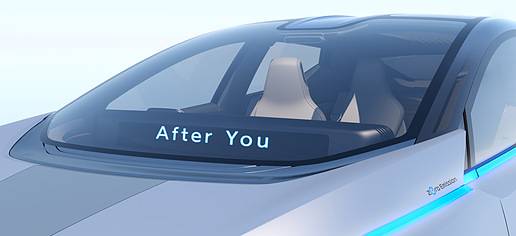 日產的IDS概念車能打出信息標語,而這種視覺信息交流通常只存在于人與人之間。(圖片來源:日產)
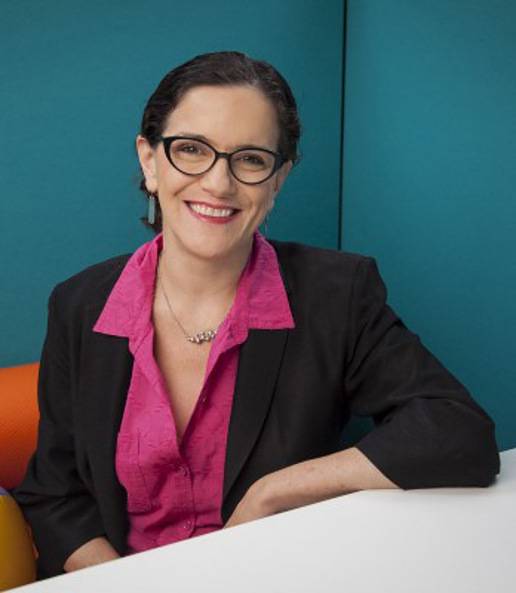 作為日產硅谷研究中心的首席科學家兼設計人類學家,Melissa Cefkin博士表示,人類與無人駕駛汽車間若無足夠信任,汽車自動化之路將注定無果。(圖片來源:日產)