對于安全專家而言,網聯系統就像是一種取之不盡的饋贈,但隨著一些具備網聯功能的汽車數量不斷增加,相關汽車網絡安全隱患的數量隨之急劇爆發。此外,一些老款車型的安全漏洞也隨之暴露,這也需要進行持續不斷的升級。
盡管在真正具備商業價值之前仍需攻克大量挑戰,但低溫燃燒(LTC)技術已然發展為一種極具價值的熱門研究領域。在 WCX17 - SAE 2017年全球汽車年會期間,專家組成員對量產低溫燃燒發動機的前景持悲觀態度,但仍然看好這種技術在減排方面的潛力。
現階段,針對低溫燃燒技術的研發非常之多,共有29個成員國的國際能源協會(International Energy Assoc.)已經成立了專門的工作組,從事低溫燃燒技術方面的研發。來自沃爾沃卡車(Volvo Global Truck)的Arne Andersson也向在場觀眾介紹了一項針對低溫燃燒發動機燃料選擇的研究。他表示,這份研究主要涉及7種燃料,其中最適合低溫燃燒發動機的是生物柴油、甲烷和乙醇。
德爾福汽車系統(Delphi Automotive Systems)的Mark Sellnau指出,低溫燃燒發動機可以提高效率并減少排放,不過他也同時表示火花點火型低溫燃燒發動機的收益可能只在10%以下。考慮到目前尚未攻克的多個難題,他建議研究人員專注于對現有燃料的研究。
“低溫燃燒發動機的尾氣溫度更低,這會給尾氣處理帶來一定困難。”Sellnau表示,“此外,這種發動機也無法提供足夠的能量來驅動渦輪工作,壓縮點火發動機的實力則相對更強。”
目前,研究人員面臨的核心問題仍是找到合適的燃料。美國桑迪亞國家實驗室(SandiaNational Laboratories)的Magnus Sjöberg指出,許多燃料并不具備足夠的能量,能讓動力系統在低溫環境下“跑起來”。
此外,專家組成員表示,如果具備更好的開發工具,研發人員的研發過程可能會更加輕松。“我們完全可以利用計算流體動力學(CFD)和化學模型技術進行虛擬測試,從而降低進行現實世界測試的需求。”瑞典隆德大學的Per Tunestal表示,“但現有工具的預測功能不夠強、不夠快,也不夠準確。”
雖然與會專家均認為當下進行的相關研究很值得興奮,但也坦誠表達了對低溫燃燒技術商業化前景的悲觀看法。在SAE 2017 全球汽車年會期間,有位參會人員提問要求專家組成員在燃料價格保持相對平穩的前提下,預測未來10年中將采用低溫燃燒技術的發動機的比例。
美國阿崗國家實驗室的Stephen Ciatti回答說,“0%”。其他兩位專家組成員也同意Ciatti的答案。Ciatti表示,種類太多,是低溫燃燒技術面臨的一大挑戰。
“這里并沒有什么最佳解決方案,更多取決于你希望系統達到的使用壽命、可用燃料及成本水平等因素。”Ciatti說,“不同的廠商會給出不同的答案,比如瑞典的沃爾沃卡車和美國的乘用車制造商就可能會做出截然不同的選擇。”
Low-temperature combustion (LTC) remains an area of high interest with extensive research, even though many challenges must still be overcome before LTC sees commercial acceptance. Though panelists at the SAE WCX 2017 were pessimistic about the prospects for production engines, they remain bullish about the technology’s potential for reducing emissions.
There’s plenty of research going on. The International Energy Assoc., which represents 29 member countries, has dedicated a task force to the technology. Arne Andersson of Volvo Global Truck described an ongoing study into seven fuels used on low temperature engines. Biodiesel, methane and ethanol are preferred, he said.
Delphi Automotive Systems’ Mark Sellnau noted that LTC improves efficiency and reduces emissions, although he said spark ignited engines may only see gains under 10%. He suggested that researchers focus on fuels that are readily available, since there are many other challenges that must be overcome.
“LTC translates to low temperature exhaust, which makes aftertreatment an issue,” Sellnau said. “Also, there’s not much energy to drive a turbo. Compression [ignition] engines are stronger candidates.”
Finding the right fuel remains a central issue for researchers. Magnus Sjöberg of Sandia National Laboratories noted that many fuels don’t have enough energy to “make things happen” at low temperatures. Panelists said that R&D could proceed more quickly if development tools were better.
“One thing we could really use is computational fluid dynamic and chemical models that are actually predictive so we could test virtually instead of only in physical tests,” said Per Tunestal of Sweden’s Lund University. “Tools are not predictive enough, not fast enough and not accurate enough.”
While panelists expressed excitement about ongoing research, they were also honest about predictions for commercial applications. A member of the standing room only audience asked panelists to predict the percentage of engines sold in 10 years that would employ LTC technology, given fairly stable fuel prices.
“Zero,” was the response from Stephen Ciatti of Argonne National Laboratory. Two other panelists concurred with that prediction. Ciatti said diversity is a big challenge for LTC.
“There’s no one best solution. It depends on the level of longevity you want, the type of fuel that’s available, the lowest cost," Ciatti said. "The answers are different for Volvo trucks in Sweden and passenger cars in the U.S."
Author: Terry Costlow
Source: SAE Automotive Engineering Magazine
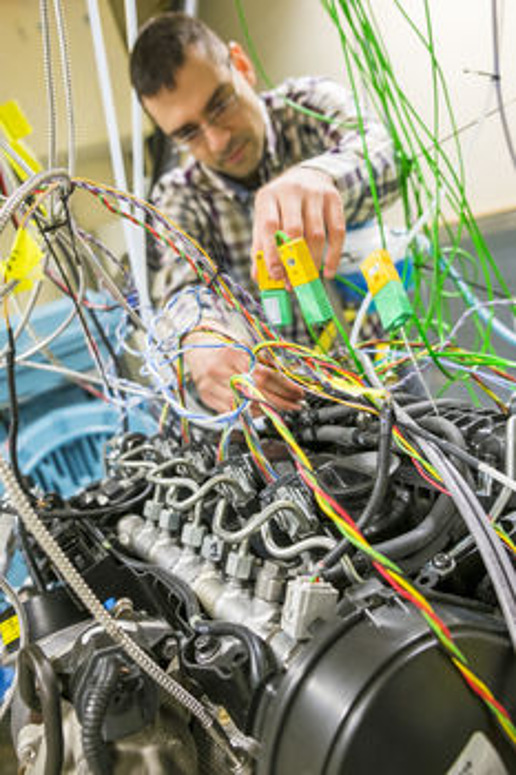 隆德大學的低溫燃燒技術研究人員希望獲得更好的工具支持,從而降低進行真實世界測試的需求。