產品規劃師語錄:“你們的‘雷達’技術準確度如何,足以幫助車輛實現2020年的自動駕駛目標嗎?還是只是讓公司白花錢而已?”
回顧過去,車輛工程的歷史中充滿了各種對未來技術趨勢的錯誤解讀,以及不計其數“最終被砍掉”的項目。其中,未來的動力系統和燃料應用是最難預測的。上世紀60年代,在燃氣輪機汽車技術的競賽中,克萊斯勒(Chrysler)曾打造了55款燃氣輪機,其中一款還可使用多種燃料,包括龍舌蘭酒。那時,一大批卡車制造商也跟著走上了燃氣輪機的道路,但最終都撲了一場空。
30年多年來,至少有十多家廠商投資在汪克爾(Wankel)轉子發動機的許可證和原型車上,共計花費了數十億美元。1958年,福特汽車(Ford)甚至曾滿腦子想著利用微型核反應堆給汽車供電,并真的著手開始打造一款3/8比例的福特“Nucleon”核動力汽車原型。
上世紀50年代后期的產品規劃風格。福特曾計劃推出一款神奇的未來核動力汽車Nucleon,還曾計劃在幾年后推出一款下置發動機(發動機置于駕駛室下方)的皮卡。
里卡多(Ricardo)公司的首席技術創新官Neville Jackson教授指出,如今,準確預測新技術的成熟程度,并判斷該技術是否真的做好了量產準備,這其中的風險比過去更高。
“產品規劃一直是汽車行業所面臨的關鍵挑戰。”Jackson告訴《汽車工程》,“考慮到如今包括動力系統技術在內的產品選擇不斷豐富,汽車廠商的產品規劃需要經過更嚴格管理,不僅要針對某款具體車型,更要著眼于公司的生產制造靈活度,從而通過合理的規劃讓不同的汽車能夠實現跨平臺的協同效應。”
Johnson認為,汽車的整個設計、工程和制造系統需要緊密結合整個產品可選范圍進行選擇。他警告說,汽車廠商不能指望各種技術“面面俱到”,因為這種戰略的成本過于高昂。Johnson表示,“最困難的就是做出取舍。”
畢馬威汽車業務英國總監John Leech相信,英國的環境特別適合率先開始采用自動駕駛汽車服務。
互聯汽車的收益如何?
最近,行業咨詢公司畢馬威(KPMG)出版的《全球汽車行業高管意見調查(2017版)》(Global Automotive Executive Survey 2017)強調了移動出行領域產品規劃師所面臨的挑戰。這份去年秋天開展的網絡調查結果顯示,大約有74%的英國汽車高管預測,大約有50%的車主表示,在未來十年內將不再愿意自己購置汽車,自動駕駛技術和交通出行服務將成為他們的優先選擇。
“未來,汽車制造商的成績將不再單單取決于售出車輛的數量,而是在完整車輛使用周期中為客戶創造的總價值,特別是在數字生態系統已經做好準備,將要大舉進入市場的大環境下。”畢馬威汽車業務主管John Leech認為,“汽車廠商必須開始思考。”他還指出,超過75%的受訪者均認為,1輛互聯汽車在完整使用周期中創造的價值相當于10輛非互聯汽車。
畢馬威公司推斷,消費者需求從“汽車購買”向“汽車使用”轉移可能會降低市場對車輛的需求,因此,未來幾年內,廠商制造汽車的利潤將有所降低。但調查顯示,絕大多數汽車行業高管對此并不感到擔心:85%的受訪者表示,他們確信,汽車廠商可以通過提供新型數字服務,創造比之前僅出售汽車更高的利潤。
里卡多公司的Jackson指出,雖然自動汽車技術正在飛速發展,“但(SAE)4級和5級自動駕駛的真正到來,還需要克服眾多技術、運營和安全方面的挑戰。”他解釋道,“一旦能夠解決這些問題,自動駕駛汽車對最終用戶的吸引力將是毋庸置疑的。”
Jackson補充說,目前,行業需要面臨的問題之一在于多數汽車的利用率“非常低”,估計很多車輛的利用率還不到5%。
Jackson猜測,“隨著車輛的技術含量和內含價值逐步增加,一種采用‘按次付費’或‘共享使用’模式的,基于服務的汽車運行模式可能會應運而生。”他補充說,這種模式可能會大大降低汽車單位里程的使用成本,轉型將勢在必行。
畢馬威的Leech認為,英國的環境特別適宜率先開始采用Jackson口中的“服務型”汽車模式。英國政府的“綠帶”政策創造了一個相對密集的城市人口環境,這里的燃料成本很高。這意味著,SAE 5級自動駕駛出租車能夠為英國民眾節省的交通支出將高于歐洲和北美市場。
Leech表示,“我相信,機器人出租車將在未來5到10年內徹底改變英國的城市交通面貌。”
里卡多的Neville Jackson教授表示,“我認為產品規劃一直是汽車行業所面臨的關鍵挑戰。”
柴油車技術將何去何從?
畢馬威的調查還發現,62%的汽車高管認為柴油車技術已經是“過去時”了。由于全球對CO2和NOx排放的關切不斷增加,未來這種“傳統”動力汽車將逐步從汽車廠商的產品目錄中消失。
里卡多的Johnson則表示,柴油動力系統在乘用車領域的能效優勢將長期存在,“離過時還早著呢。”但他的確懷疑柴油動力系統的能效優勢能否足以支持這種燃料技術的研發、實施成本,特別是在柴油技術多用于非豪華車型的情況下。
“柴油動力系統將會面臨一些不利影響,部分城市計劃禁止柴油車的使用,這無疑會打消用戶購買柴油車的想法,盡管這些政策可能主要針對的僅僅是一些老舊的車型。”Johnson指出,“考慮到這些原因,我們幾乎可以肯定,未來柴油乘用車的市場份額將隨著時間推移逐步縮小。不過,對于大巴和卡車等在治理措施出臺后更容易實現改造的重型車輛而言,情況就不一樣了,這類車型可選的燃料動力技術非常有限,甚至可以說根本沒有其他選擇。”
畢馬威還有一個出人意料的發現:93%受訪高管所在的公司,均有計劃在未來5年中投資純電動汽車。事實上,他們預測,純電動汽車將在2025年之前統治全球汽車市場。
Product planners: How accurate is your technology ‘radar?’ Will the feature content you’ve bet on for 2020 be a hit—or a costly miss—in the marketplace?
Vehicle engineering history is littered with misread technology trends and cancelled development programs. Future powertrains and fuels have been the trickiest. Pursuing gas-turbine power for cars in the 1960s, Chrysler built 55 units including one that demonstrated its multi-fuel capability by running on tequila. A number of truckmakers also followed the turbine route without payoff.
At least a dozen OEMs collectively spent billions on Wankel rotary-engine licenses and prototypes over three decades. And Ford even flirted with the idea of micro nuclear reactors, working up its 3/8-scale “Nucleon” concept in 1958.
Predicting the status of a new technology and deciding if and when to commit to its production is riskier than ever before, noted Prof. Neville Jackson, Ricardo’s Chief Technology and Innovation Officer.
“Product planning always has been a crucial challenge for the industry," he told Automotive Engineering. "The increasing diversity of product offerings, including different powertrain technologies, requires very careful management not just of the product planning process for each individual model, but of the manufacturing flexibilities required to leverage cross-platform synergies."
Jackson believes the entire automotive design, engineering and manufacturing sysem needs to be far better integrated across the entire product range. He cautioned that it will be too expensive to cover all of the technology options available. "The most difficult task will be to pick the winners,” he said.
Connected-car profits
The recently published Global Automotive Executive Survey 2017 by KPMG, an advisory services company, highlights the challenges facing mobility-industry product planners. The online survey conducted last fall found that some 74% of U.K. automotive executives expect more than half of today’s car owners will not want to own a car within ten years. Self-driving technology and mobility as a service will take priority.
“Carmakers’ success will not be evaluated solely on the quantity of vehicles sold, but on the customer value over the whole lifecycle—especially when the digital ecosystem will be ready for the market," observed John Leech, KPMG's Automotive lead in the U.K. "OEMs need to rethink," he said, noting that over 75% of those surveyed believe that one connected car can generate higher revenues over its life cycle than 10 non-connected cars.
KPMG deduced that the impact of consumers shifting away from an ownership model to a vehicle-use model will reduce demand for fewer cars and therefore reduced profits from building vehicles in the future. But the survey showed that this does not worry the majority of automotive execs: 85% of the respondents said they are convinced that their company will generate higher revenues by providing new digital services, than by selling cars alone.
Ricardo's Jackson noted that while the development of autonomous vehicle technology is clearly continuing apace, "there remain many technical, operational and safety challenges to be overcome in implementing [SAE] Level 4 or 5 solutions," he explained. "Once these are overcome, the attractions are obvious to the end user.”
He added that a further impetus is the currently “very poor” asset utilization of vehicles, estimated by many as less than 5%.
“As the technology content and embedded value of vehicles increases, an increasingly servitized model of vehicle use may well emerge, based on pay-per-use or even shared usage," Jackson surmises. He added that while this is likely to substantially reduce the cost/mile for vehicle use, the transition will occur gradually.
KPMG's Leech believes the U.K. is particularly suited to the early adoption of Jackson's "servitized" model. The government's greenbelt policy has created a relatively dense urban population which, when coupled with high fuel prices, means that SAE Level 5 taxis offer a greater cost saving to the U.K. public, compared to European or North American markets.
"I believe robot taxis will revolutionize U.K. urban transportation in the second half of the next decade,” Leech said.
Diesel's future?
The survey also found that 62% of the automotive executives regard diesel technology as passé. It concluded that "traditional" powertrain technology will eventually vanish from manufacturers’ portfolios due to increasing concern over CO2 and NOx emissions.
Ricardo's Jackson is pragmatic about diesel's long term future for passenger cars, calling the combustion technology " far from passé." But he questioned whether the price of development and implementation still provides an attractive commercial case within the market, particularly for non-premium products.
"The negative effects of the plans by some city authorities to penalize the use of diesel, may well dissuade customers from selecting diesel even if such measures are aimed primarily at the legacy fleet," Jackson noted. "For these reasons it is almost certain, that the diesel share of the passenger car market will reduce over time. This is not the case, however, for heavy duty vehicles such as buses and trucks, which are more amenable to retrofit after treatment measures aimed at existing fleets and where there are few if any alternative powertrain technologies available.”
One surprise from the KPMG findings: 93% of executives surveyed are planning for their companies to invest in technology for battery electric vehicles over the next five years. In fact they expect BEVs to dominate the automotive market by 2025.
Author: Stuart Birch
Source: SAE Automotive Engineering Magazine

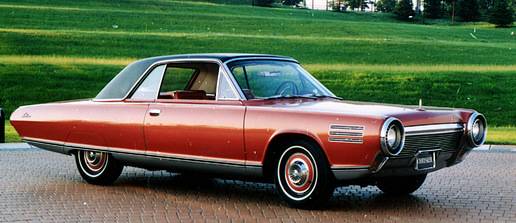 上世紀60年代,克萊斯勒等一眾汽車廠商曾斥資數百萬美元,為汽車和卡車研制燃氣輪機發動機。(圖片來源:菲亞特克萊斯勒)
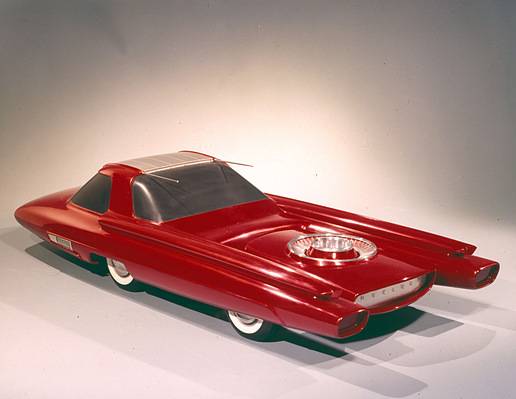 上世紀50年代后期的產品規劃風格。福特曾計劃推出一款神奇的未來核動力汽車Nucleon,還曾計劃在幾年后推出一款下置發動機(發動機置于駕駛室下方)的皮卡。
 畢馬威汽車業務英國總監John Leech相信,英國的環境特別適合率先開始采用自動駕駛汽車服務。
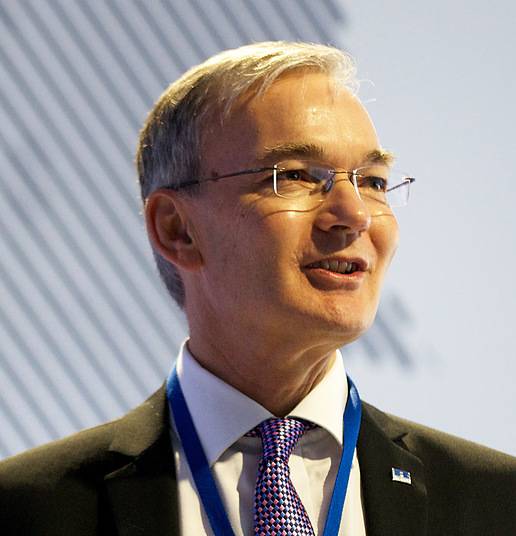 里卡多的Neville Jackson教授表示,“我認為產品規劃一直是汽車行業所面臨的關鍵挑戰。”