在多個因素的作用之下,汽車行業可能將在未來幾年內迎來歷史上最具顛覆性的變化。互聯功能和自動化所帶來的變化不僅將改變整個汽車行業的面貌,而且也會給供應鏈上的各個環節均帶來一定影響。
今年,在美國密歇根州諾維市舉行的SAE 2016汽車電子大會的“分析師觀點:供應鏈現狀”討論環節中,各位業內專家詳細介紹了技術發展和人口結構特征變化可能給汽車行業帶來的重大影響。
羅蘭貝格戰略咨詢公司的Marc Winterhoff強調了將在未來幾年內主導汽車行業的四大因素——出行服務共享、汽車互聯、車輛電氣化和SAE 5級自動駕駛技術。這些因素均將在未來一段時期內推動汽車行業穩步增長,但是,一旦全自動駕駛的“機器人出租車”出現,就將開始改變汽車共享的世界。
“即使在如今這樣一個極具顛覆性的環境下,汽車行業發展勢頭仍將不減。”Winterhoff表示,“到2025年以前,汽車產量將持續保持增長。而到2030年‘機器人出租車’開始穩住腳跟時,駕乘分享服務則會大幅減少。”
咨詢公司 德勤 的Joseph Vitale指出,人口結構特點改變對汽車市場轉型的影響,不亞于汽車技術的發展。德勤的調查結果顯示,Y時代出生的美國汽車用戶,非常熱衷于最新的汽車技術。
Vitale表示,“他們愿意為這些技術支付的費用,比嬰兒潮時期出生的用戶高4倍。”
人口結構的變化也將推動全自動駕駛汽車時代的到來。嬰兒潮時期出生的一代人逐漸進入老年,他們可能會轉而使用全自動“機器人出租車”,而不再自己開車。
“自動駕駛汽車的關鍵市場是老年人和殘障人士,這部分用戶通常資金充裕,出行需求也不會太緊急,”Glenn Mercer Automotive公司的Glenn Mercer表示,“他們可能不愿意一直依賴朋友或家人的接送。”
傳統車輛動力系統的電氣化,將成為改變汽車行業的另一個重要因素。Vitale指出,為了解決污染問題,中國的監管機構正在強制推進國內汽車行業的電氣化。Winterhoff預測,電動車的市場占有率將在2025年前迎來驚人的增長。
此后,“機器人出租車”(絕大多數已經采用全電動推進系統)將迎來穩定增長。然而,盡管各位專家均承認汽車電氣化扮演的重要角色,但他們在本屆大會上的關注重點卻并非僅限于插電式電動車。
“未來三到五年內,汽車行業的最大變革將發生在內燃機領域。”瑞銀集團的Colin Langan表示,“許多公司都在開發48V電氣系統,而這可能會推遲電動汽車的普及,畢竟48V系統僅用25%的成本就能實現混動汽車75%的效益。”
Many factors are making the next few years one of most disruptive eras the automotive industry has ever seen. Diverse dynamics such as connectivity and autonomy will transform the industry and impact companies throughout the supply chain.
A number of industry experts detailed a variety of ways that technology and demographics will have a transformative influence during the “State of the Supply Chain: An Analyst’s View” panel at 2016 SAE Convergence in Novi, MI.
Marc Winterhoff of Roland Berger Strategy Consultants highlighted four major trends that will dominate the industry over the next few years: shared mobility, connectivity, electrification and Level 5 autonomous driving. These changes will fuel solid growth until autonomous "robocabs" transform that segment of the shared-vehicle world.
“Even in this disruptive environment, good times are coming for the auto industry,” Winterhoff said. “Shipments will grow through 2025. Ride sharing will largely fade away by 2030 as robocabs take hold.”
Joseph Vitale of Deloitte & Touche LLP noted that demographics will have as much of a role in market changes as do shifting trends in vehicle technology. The firm’s surveys show that in the U.S., Generation Y vehicle buyers want the latest technology.
“They will pay as much as four times as much as baby boomers said they will pay,” Vitale said.
Changing demographics also could play a role in the emergence of autonomous vehicles. Aging baby boomers may utilize autonomous robocabs rather than drive.
“Key markets for autonomous vehicles are elderly and disabled people who are dissatisfied with depending on friends and family for rides,” said Glenn Mercer of Glenn Mercer Automotive LLC. “They have money and they don’t need to go far or go fast.”
Electrified powertrains will be a significant disruptor. Vitale noted that China’s regulators are mandating electrification as they address the country’s pollution problems. Winterhoff predicted that EVs will see evolutionary market penetration through 2025.
Around that time, robocabs—most of which will have all-electric propulsion—will start seeing solid growth. Although panelists all predicted that electrification will be a primary game-changer, their focus at Convergence wasn't strictly on plug-in vehicles.
“In the next three to five years, the biggest trends will be in the internal-combustion engine,” said Colin Langan of UBS Inc. “Many companies are developing 48-volt electrical systems, which could (extend the timeframe for) electric-vehicle adoption; 48-volt can provide 75% of the benefits of hybrids at about 25% of the cost.”
Author: Terry Costlow
Source: SAE Automotive Engineering Magazine
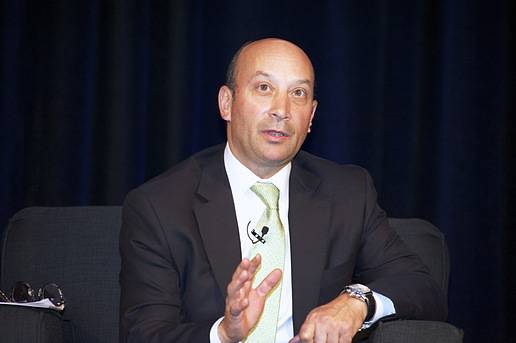 德勤公司全球汽車業務主管Joseph Vitale表示,與嬰兒潮時期出生的買家相比,Y時代的汽車用戶愿意為最新汽車技術支付更多費用。