有些人不相信自動駕駛汽車將在可以預見的未來成為現實,對此,多位汽車廠商和大型供應商的高級技術總監給出了這樣的回應:自動駕駛汽車的到來“就在眼前。”
在底特律附近舉行的SAE 2016汽車電子大會(SAE 2016 Convergence)上,汽車產業供應商巨頭德爾福(Delphi)首席技術官Jeff Owens給出了這樣的回答,并贏得了幾乎所有同行的贊同。福特公司(Ford)研發與先進工程副總裁Ken Washington也同意Owens的看法。
“證據就在我們周圍,”Washington斷言,“我堅信我們一定可以實現福特公司的2021年目標,即在2021年前推出一款符合SAE J3016標準定義的全自動駕駛汽車。”
Washington補充說,縱觀汽車行業的歷史,新技術的成熟速度,總是會讓那些持懷疑態度的人大跌眼鏡。眾所周知,科技公司的創新速度快得驚人,再加上摩爾定律的作用,自動駕駛汽車時代的到來,可能會比人們想象的更快。
通用汽車(General Motors)副總裁、CTO兼投資主管Jon Lanckner表示,通用已經加快了自動駕駛技術的研發進程,并積極與更多相關的技術公司建立合作伙伴關系。他提到,通用汽車已經開始在美國加利福尼亞州的舊金山市和亞利桑那州的斯科茨代爾市進行自動駕駛汽車測試。
當然,還有一些反對的聲音認為,自動駕駛汽車的真正到來,可能是下一代人才能看到的,甚至還會需要更長的時間。Lauckner在回應這一觀點時幽默地打趣道,“我可以向你保證,我們絕不打算沒完沒了地一直測試下去。”
哈曼國際(Harman International)互聯汽車執行副總裁Phillip Eyler也認為,自動駕駛汽車的到來將比大家想象的更快,但作為一家車載信息娛樂系統、駕駛員接口硬件/軟件及其他車內電子產品供應商,哈曼也同時表示,自動駕駛汽車的出現是一回事,大規模普及又是另一回事。
Eyler表示,“我認為,自動駕駛汽車的普及還有很長的路要走。”
好的,自動駕駛就在眼前,但到底會有多“自動”呢?
目前,汽車和科技行業領袖探討的焦點,主要圍繞在到底何種自動駕駛級別最有利于自動駕駛汽車在最初階段及日后發展中更為廣泛的逐步普及。
大家的爭論焦點主要集中在SAE自動駕駛分級中的 L3和L4兩個級別。具體來說,L3級自動駕駛為“有條件的自動駕駛”,即可在特定環境下允許駕駛員“脫手”;L4級自動駕駛的應用范圍則更加廣泛,即可以在一些通常需要駕駛員干預的情況下,也能實現自動駕駛。
目前,許多汽車制造商、供應商和科技公司均委婉地表示,L3級自動駕駛在風險控制和收益回報方面的實現難度很大,而從L2級駕駛員協助系統直接過渡至L4級全自動系統已經可以實現。
福特的Washington在大會上表示,實現高度自動化駕駛“需要采用自上而下,而非自下而上的措施。”他還補充道,福特已經將公司向L2級駕駛員輔助系統的投資增加了2倍。“福特準備直接從L2跳到L4級全自動駕駛,”他說,“L3級對我們來說沒有什么經濟效益。”
哈曼的Eyler也持相同觀點,他說,“L4級全自動駕駛使用了一套完全不同的技術,投資規模也完全不在一個級別。”不過,Eyler也相信,還是會有一部分廠商可能不會跳過L3級的過渡。
目前,從多個層面來看,SAE L3級自動駕駛相關技術的研發已經有點得不償失。廠商第一個要考慮的就是同時開發L3和L4級技術的成本壓力。從技術研發的經濟性來說,“L3級自動駕駛一直是個有爭議的話題,”德爾福的Owens表示,“你必須直接跳過L3級的半自動駕駛級別。”
另外,優步(Uber)、Lyft等駕乘分享公司也希望利用自動駕駛技術節省雇傭人類司機的成本,因此也為直接跳級實現L4級全自動駕駛的熱潮添了一把火。考慮到無人駕駛叫車服務的巨大市場潛力,汽車行業根本沒有理由在困難重重且成本高昂的L3級半自動駕駛技術研發上繼續戀戰。
直接買還是自己造?
在SAE 2016汽車電子大會與展覽上,專家們還探討了汽車生產商可能采取的自動駕駛戰略,比如內部研發、尋求技術公司合作,或者直接收購一些自動駕駛技術公司。汽車制造商開始大舉收購技術公司,已經有一段時間了。
通用汽車的Lauckner表示,“我們可以花大量時間延續過去的模式,也就是進行內部研發。”但他同時補充,未來公司將更多采用“直接收購特定技術公司的新模式”。
福特的Washington表示,因為擁有一百多年積累下來的汽車研發經驗,汽車制造商的整合能力很強。他說,“而我們并不拿手的技術研發,也可以通過建立合作伙伴關系或收并購解決。”
德爾福的Owens還提出了另一種大型供應商和較小汽車制造商希望嘗試的模式,即由供應商充當一站式自動駕駛系統提供商。他指出,德爾福已在2016年夏季宣布將與以色列機器視覺專家Mobileye建立合作伙伴轉系,聯合開發完整自動駕駛系統。
For those who believe it unlikely autonomously-piloted vehicles will be coming in the foreseeable future, high-level technology executives from automakers and major suppliers have this response: autonomous vehicles are “going to be here very shortly.”
That’s the conclusion of Jeff Owens, Chief Technology Officer for automotive mega-supplier Delphi, a position supported almost universally by his fellow panelists on the opening day of the SAE 2016 Convergence conference near Detroit. Ken Washington, Vice-President, Research and Advanced Engineering at Ford, agreed with Owens.
“The evidence is all around us," Washington asserted. "I am very optimistic that [Ford’s] target of 2021 (for launching a fully-autonomous vehicle as defined by the SAE’s J3016 standard) is going to be achievable.”
Washington added that throughout automotive history, the speed at which technology matures never fails to surprise doubters. Blend in the famously furious pace at which technology companies innovate, along with Moore's Law, and the foundation seems prepared for a quicker-than-predicted adoption.
General Motors has accelerated its autonomous-technology development and partnerships with autonomous-related tech companies, said Jon Lauckner, GM Vice President, CTO and head of GM Ventures. He noted that GM has autonomous-vehicle testing underway on public roads in San Francisco, CA and Scottsdale, AZ.
“I can assure you our plan is not to test for the next 30 years,” Lauckner quipped in response to naysayers’ position that it will be a generation or more before autonomous vehicles are a fixture on U.S. roads.
Phillip Eyler, Executive Vice President, Connected Car at Harman International, generally agreed that autonomous vehicles are coming sooner than later, but the position of Harman—a supplier of in-car infotainment systems, driver-interface hardware and software and other cabin electronics—is that the date of introduction may be one thing, but wide adoption of autonomy will come on a more-protracted timeframe.
“I believe there will be a long transition to a high population of autonomous cars,” Eyler said.
Okay, autonomous—but at what level?
One of the automotive and tech industries’ chief talking points currently centers around which SAE level of autonomy is going to be most appropriate for initial—and eventual widespread—deployment.
The dialogue centers on the gap between SAE Level 3 automation—generally described as “conditional automation” that can necessitate a “hand-off” from automation to human driving in certain situations—and Level 4 autonomy which can pilot the vehicle even in a situation in which the system requests human intervention.
Many automakers, suppliers and tech companies now suggest that Level 3 autonomy is too difficult to engineer in relation to the risk (and payback), instead suggesting a transition from the Level 2 driver-assistance systems already available directly to Level 4.
High-level driving automation “needs to be approached top-down instead of bottom-up,” said Ford’s Washington. In the interim, he added, Ford is tripling its investment in Level 2 driver-assist technology. “Ford is skipping Level 3 at the moment,” he said. “The economics don’t make sense to us.”
Harman’s Eyler agreed.“Level 4 is a totally different set of technologies and investments,” he stated. However there will be a Level 3 transition at some OEMs, Eyler believes.
The cost of developing technology capable of accommodating SAE Level 3 automation is beginning to appear unproductive on several levels. First is the direct cost of the divergent Level 3 and Level 4 technologies. Economics of such development “are going to make Level 3 almost a moot point,” contended Delphi’s Owens. “You’re going to go right by Level 3.”
But the impetus for skipping directly to Level 4 also is driven by the desire of ride-sharing companies such as Uber, Lyft and others to eliminate the expense of human drivers. Given the potential enormous market for driverless ride-hailing vehicles, it seems all the more logical that development will not linger on the difficult and expensive-to-engineer conditional-automation aspects of Level 3.
Buy it or make it?
Panelists at SAE Convergence 2016 also discussed the strategy by which automakers determine whether to develop autonomous-related technologies in-house, seek partnerships with tech companies or, in some cases, to buy some companies outright. Automakers have for some time been underway with a spree of tech-company acquisitions.
GM’s Lauckner said “We can spend a lot of time working the ‘old model,’ which is build it ourselves.” But he added, buying companies with specific technical expertise “is a model we’re going to need to embrace.”
Thanks to a century of vehicle-development experience, automakers are ideally placed to be high-level integrators said Ford’s Washington. “It’s what we’re good at,” he said, while development of technology that is “not in our sweet spot of capability” will be partnered or potentially bought outright.
Delphi’s Owen’s pointed to another model that large suppliers and smaller automakers hope to exploit: suppliers as providers of turnkey autonomous-driving systems. He points to Delphi’s partnership, announced in summer 2016, with Israeli machine-vision expert Mobileye to develop entire autonomous-driving systems.
Author: Bill Visnic
Source: SAE Automotive Engineering Magazine

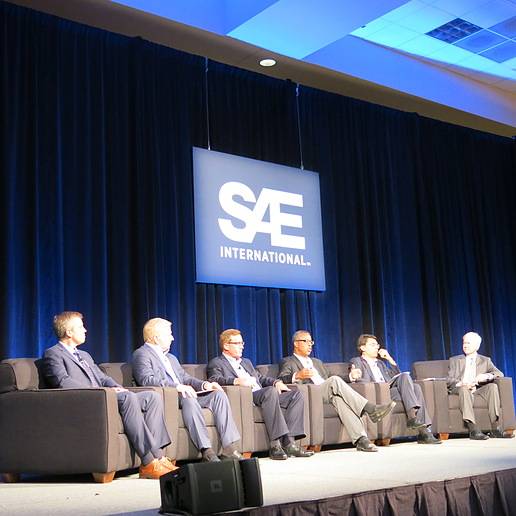 SAE 2016汽車電子大會與展覽的“創新議題專家討論”中,匯集了來自德爾福、菲亞特克萊斯勒、福特、通用和哈曼國際的眾多高級別技術官員。
 證據就在我們周圍,”福特汽車的Ken Washington表示,自動駕駛汽車時代的到來,只會早不會晚。
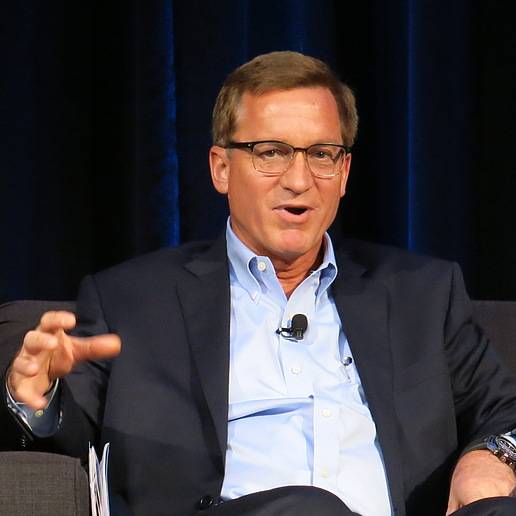 通用汽車首席技術官Jon Lauckner表示,到2020年,美國大約將有5000萬民眾在使用某種形式的“交通即服務(TaaS)”。
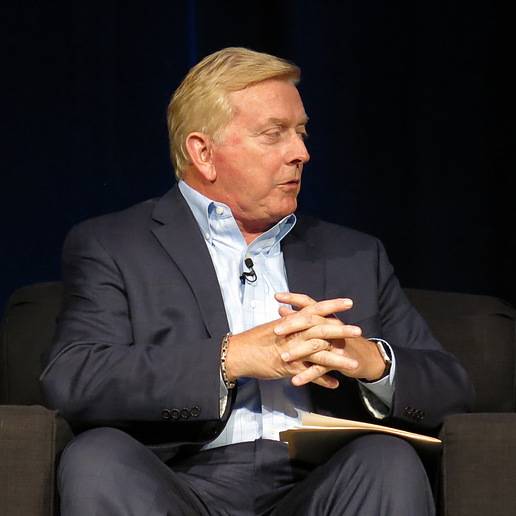 “監管機構和消費者都對汽車提出了更多要求。”德爾福的Jeff Owens補充說,駕駛員輔助技術僅用20%的成本增加,就能實現80%的安全性提升。
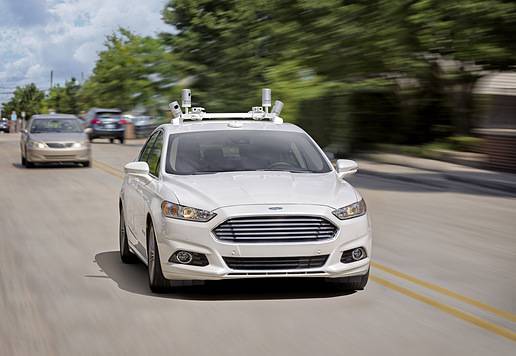 福特最近宣布,公司計劃在2021年前推出全自動駕駛汽車,用來承擔駕乘分享任務。