最近幾年,普惠(P&W)公司在新型商用噴氣式發動機的交付方面一向表現不佳。不過,憑借一直堅持的持續進步的研發戰略,多款普惠新一代超高效發動機終于即將開始服役。雖然這些發動機采用了一些可以追溯回上世紀90年代的設計,但其中也應用了大量新型技術,未來還可推廣至更多的噴氣式發動機。
雖然,性能提升可能會給廠商帶來更多利潤,但這也是有高昂代價的。首先,航空發動機的主要設計和制造問題,大多到研發后期才會真正暴露,而這時哪怕一丁點改動都會產生巨大成本。其次,由于國際航空機組普遍進入老齡期,全球大部分航空業客戶的購機需求急劇增加。這些航空公司越來越焦急,也越來越不耐煩,而這些壓力也將進而轉嫁到飛機制造商和航空發動機廠商身上。
如今,一些暢銷機型的訂單已經排到了2020年以后。無論是訂購的新發動機遲遲不能交貨,還是收到貨后的使用環節出現問題,都會讓一些航空公司付出血本,而尋求可靠的解決方案也并不像想象的那么簡單。
為了應對更大的需求,一些飛機制造商開始增加飛機的產量。然而,由于發動機廠商未能按時交貨,大量已經完成的機身只能堆在停機坪上苦苦等待。此外,如果新的發動機在接受初始認證或交付給航空公司后又需要進行修改,此時飛機制造商則需要承擔二次認證和延遲交貨的成本,已經完工的飛機越多,需要承擔的成本就越高。因此,保證發動機從一開始就能實現設計性能,并保證高可靠性一直是發動機供應商的重中之重。
如今,普惠的最新渦輪扇(GTF)發動機(屬于PW1000 Pure Power靜潔發動機系列)的到來,又引出了一些不容忽視的問題。正如《航空航天》雜志早些時候所報道的,GTF發動機代表了一種完全不同的設計理念。這種發動機在各個沖程均可提供最優的推進效率,可謂是史上最清潔環保的超靜音發動機。
GTF發動機在同一根軸上的渦輪扇和低壓渦輪機(LPT)之間增加了一個變速器,從而保證渦扇和渦輪機均能以各自的最佳速率運行,即渦扇轉速更慢一點,而LPT更快一點。這款新款普惠發動機能實習夠大幅提升能效、并帶來顯著的節油成果以及超低排放表現,一定會在飛機廠商中大受歡迎。事實正是如此,目前已有至少5款新機型決定采用這款發動機,分別為空客(Airbus)A320neo、龐巴迪(Bombardier)CSeries、巴西航空工業公司(Embraer)E190-E2、俄羅斯聯合航空制造公司(UAC)MC-21及三菱(Mitsubishi)MRJ。
過去一段時間,普惠公司一直高度關注GTF發動機的研發,未來還有可能繼續擴大這款發動機的應用范圍。總體來說,當選龐巴迪CSeries支線機型(130到140座)選定發動機,是GTF的一個重要突破,代表這款發動機開始真正有機會挑戰“戰無不勝”的CFM-56和LEAP發動機。CSeries商用噴氣機是龐巴迪公司商用噴氣機系列中的頂級產品,該機型憑借自己的出色表現,逐步躋身于長期由A320和737客機占據的全球客機市場。
憑借更加輕質的高規格航空機身和超高效的低油耗發動機,CSeries噴氣機本應在競爭激烈的商用航空領域占據一定優勢。然而,先是機身研發進度滯后,接著又是GTF發動機在早期測試與評估環節出現故障,CSeries只能眼睜睜的看著自己優勢盡失。具體來說,GTF的故障包括一起地面測試中發生的因輸油管密封泄漏導致PW1500G發動機起火的問題。最終的調查結果顯示,CSeries需要在再次啟動前充分“冷卻”,否則可能導致問題的出現。據悉,本次事故發生在CS-100認證測試之前的緊急測試階段,已經處于非常后期,龐巴迪公司頭疼不已,但也只能眼睜睜的看著CS-100的研發成本不斷飛漲。
普惠在發動機故障的修復方面一直不遺余力。雖然現階段各家航空公司須在再次啟動飛機前充分冷卻PW1100G發動機,但無論如何,CSeries歷盡千辛萬苦,終于開始服役了。然而,修復后PW1100G又出現了其他故障,嚴重影響了A320neo客機的交付計劃。
這次PW1100G發動機在A320neo上發生的故障與CSeries并不完全一樣,主要原因在于溫度波動,但航空公司并不關心具體細節,因為結果都是一樣的 -- 現在飛機不能按時飛了(與當下A320搭載的CFM-56或V2500發動機相比,PW1100G發動機啟動所需時間更長。由于首批PW1100G已經于今年早些時候交付,普惠必須盡快拿出一個緊急修復解決方案)。這個技術隱患是在認證測試之后暴露的。如果發動機未能在熄火后充分冷卻,再次啟動時就會發生這個問題。具體來說,發動機渦輪軸的溫度變化可能會導致特定組件失調,進而造成發動機振動。此時,由于發動機轉子葉尖間隙變化和元件之間的相互摩擦,發動機可能因為磨損而產生進一步損壞。普惠公司一方面建議客戶在再起啟動發動機前一定要充分冷卻,另一方面也在加緊準備一個更加完善的技術解決方案。
MTU航空發動機(MTU AeroEngines)也參與了GTF發動機的研發,這家德國公司負責的部分主要集中在高壓壓縮機。MTU表示,公司計劃在今年晚些時候提供一個解決上述問題的軟件升級措施。
顯而易見,航空公司肯定希望在引進新機型的初期盡量不要出現問題,因為可靠性問題造成的拖延,會嚴重影響航空公司的形象,波音公司就曾因為787的延遲推出而名譽受損。如今,盡管購買首批新機型仍有一定好處,但需要面臨的風險也正在增加。此時,飛機制造商一天不能修復問題,航空公司就一天無法放松心情。
A320neo版的GTF發動機情況也是一樣的。當時原定的首批客戶卡塔爾航空本來可以成為世界首家將這款機型引入客運領域的運營商,缺最終拒絕了普惠交付的產品。后來漢莎航空(Lufthanse)接手了這批飛機。盡管航空公司可能不得不接受現實在再次啟動發動機時等待更長時間,但普惠已經研發出一種解決方案 -- 為發動機的轉子葉尖增加一層涂層。現在,所有尚未交付的新發動機均采用了這種方案,而已交付發動機的修復可能最多需要2年時間。這項任務并不簡單,工程人員必須拆開每一部需要進行修復的發動機進行操作,然后重新組裝,大約每部發動機需要6周時間。不過,好在目前僅有不到60部已經交付的發動機需要修復。
可以想象,GTF發動機的問題曾引得各家航空航天和商業媒體的爭相報道。不過,既然現在原因已經找到,普惠位于康乃狄克州和佛羅里達州的發動機裝配線也已經進行了相關修復,那我們也應當著眼更高層面,認可這款發動機在銷售方面取得的巨大成功。目前,這款發動機的年產量即將提升至800部,而普惠所面臨的供貨缺口超過7000部(包括所有發動機機型)。
普惠總裁Robert Leduc表示,PW1100G的初始服役可靠性非常出色,這款發動機在漢莎航空(Lufthansa)、靛藍航空(IndiGo)和GoAir的出勤可靠率均穩定在99.7%以上。PW1100G還有很多其他優勢:首先,作為這款發動機的最大賣點,GTF的“超低油耗”已經幫A320取得了超過15%的節油成果;其次,這款發動機的噪音水平很低,預計可以為本已相當安靜的A320進一步降噪50%;此外,這款發動機的CO2/NOx排放也降低了60%。
未來,其他幾款采用GTF系列發動機的商用機型也將在未來幾年內陸續開始服役,這也會讓GTF成為未來幾十年中應用范圍最廣的航空發動機設計方案。盡管進一步的研發仍面臨延期,但CSeries系列的銷量仍然高居不下,目前還面臨大約300駕的存貨短缺,這對一款剛剛上市的機型來說是相當不錯的表現。另外,巴西航空工業公司的190-E2系列看起來信心滿滿,似乎注定將重現公司現有機型的輝煌記錄。但三菱MRJ和俄羅斯UAC MC-21的前景尚不明朗。如今的民用客機領域競爭激烈,其他成熟廠商在銷量與設施支持方面均具有較大領先優勢,這兩款機型很難打入這個市場。不過,目前GTF發動機的整體市場規模非常龐大,這也證實了普惠的英明決定 -- 這家公司一直堅持新產品的創新研發,愿意承擔風險,而且在出現初期問題時的反應十分迅速。
今年下半年,隨著積壓的PW1100G訂單開始陸續交付,相信空客停機坪上苦苦等待發動機的A320neo也將很快陸續交付至世界各地。對于普惠和空客而言,發動機小故障和飛機延遲交付的確都非常讓人遺憾,不過這也同時反映了目前商用航空領域面臨的最大問題:如何面對史無前例地巨大市場需求,并同時保證超高的質量控制標準。
Growing pains (and gains) of P&W's Pure Power engine
After many years of flat-lining in the supply of new commercial jet engines—with improved models, but with designs dating back to the late 1990s, relying on a continuous path of evolutionary development—a new generation of super-efficient powerplants is entering service, introducing many technologies that will also be applied to future engines.
But the step up in performance, with its potential for greater profitability, has come at a price, with major design and manufacturing issues emerging late in the program cycle, and the added challenge facing airplane manufacturers of having to meet the expectations of anxious and increasingly impatient customers against a backdrop of aging fleets and a surge in demand for new airplanes.
The top-selling jetliners are effectively sold-out for years ahead, stretching deliveries to well beyond 2020. Delays in the delivery of new engines, and further groundings due to in-service problems, are costing some airlines dear and achieving robust solutions is taking longer than envisaged.
As production flows are increased in assembly halls, completed airframes are starting to fill parking ramps as the delivery of engines is awaited. If new engines have to be modified after initial certification and airline delivery, then the delays and extra costs involved in rectification grow with the numbers of airplanes that have already been completed. So, getting the engines to deliver their promised performance with high reliability from the start has always been a goal that engine suppliers aim to achieve.
The highest profile problems, perhaps understandably, have come with the new engine that offers the most innovative technological design—the Pratt & Whitneygeared turbofan (GTF), which has developed into the PW1000 Pure Power series. As has been described earlier in Aerospace Engineering, this engine does offer a different design solution, with optimized propulsion efficiency delivered through the different engine stages, resulting in a quiet engine that is cleaner and greener than what has come before.
Using a gearbox to decouple the fan from the low-pressure turbine—the two seated on a common shaft—allows each element to be optimized, with the fan running at a slower rate and the LPT much faster. The promise of new levels of efficiency, significant fuel savings, and ultra-low emissions ensured that the new P&W engine would be popular with airframe manufacturers, and this is illustrated by the fact that different GTF versions have been chosen for no less than five new generation civil programs—the Airbus A320neo, Bombardier CSeries, Embraer E190-E2, UACMC-21, and Mitsubishi MRJ.
P&W has been highly focused on developing this new engine, which has great potential for scaling up later, and being selected to power the CSeries 130-140 seat regional airliner was an important breakthrough, providing a long-term opportunity to challenge the all-conquering CFM-56 and its replacement LEAP engine in the biggest aero-engine market sector. The CSeries has been a crucial program for Bombardier as it sits at the top end of its commercial jet family and nudges into the global market that has become dominated by the A320 and 737 families.
The combination of a lighter, high-specification airframe and highly efficient engines with low fuel burn should have given this program a head start in a very competitive slot within the commercial sector, but delays in airframe development and then the teething troubles that afflicted the early testing and evaluation of production GTF engines—including an uncontained PW1500G engine fire on a CS-100 during ground tests, caused by the failure of an oil feed tube seal—led to investigations that suggested a longer “cooling off” period was needed before attempting a re-start. The initial uncertainly over this incident was not helpful to Bombardier as CS development costs were soaring and this engine failure happened as Bombardier was into a catch-up testing phase prior to certification.
P&W spared no effort in working to fix the problem created for airlines by having to wait longer between hot shutdowns and restarting. But while the CSeries has finally entered service, the delay in shipping modified production engines has seriously set back the schedule for the urgently awaited PW1100G powering the A320neo model.
In this version of the engine a different problem is connected to temperature fluctuation issues but for the airlines the outcome is the same—start-up times are delayed. (The PW1100G start-up time was longer than on the standard CFM-56- or V2500-powered A320s so clearly a temporary fix became urgent earlier this year as the first PW1100Gs were delivered for service.) This technical problem arose after certification and can occur when the engine is re-started before it has sufficiently cooled after shut down. The temperature variations along the engine’s turbine shaft can lead to misalignment of particular components and this can cause vibration and possible further damage due to rotor tip clearance difficulties and the possibility of components rubbing against each other, wearing away the seal. Customers were advised to allow more time before re-start ups, while the company perfected a technical solution.
German partner on the GTF program with P&W, MTU Aero Engines, is responsible for the high-speed, LPT and four of the high-pressure compressor stages, and is planning to provide a software upgrade later this year to reduce the risk of the earlier problems returning.
Operators like to introduce new aircraft with as few teething problems as possible for obvious reasons, as delays caused by reliability issues early on can lead to reputational damage, as was experienced by Boeing after the delayed introduction of the 787. But while there are incentives allowing for the increased risk of acting as the launch customer, the longer it takes to restore the promised performance, the more nervous key customer will be.
And so it has been with the GTF version of the A320 neo. Original launch customer Qatar Airways refused to accept its delivery, which would have given the airline the lead role of introducing the aircraft into regular passenger service. That task was subsequently taken up by Lufthansa. Although the airline has had to accept and allow for the extended re-start times, P&W has developed a modification based on the application of a new coating for the tips of the rotor. This is being applied to all new engines. Retro-fitting this to existing engines will take up to two years to work through, though thankfully less than 60 early-delivery engines are involved. This task is not simple as it involves the de- and re-assembly of each affected engine, taking around six weeks each time.
The GTF problems attracted the attention of the aerospace and business media as would be expected, but with the cause now established, and modifications being incorporated in all new engines coming off P&W assembly lines in Connecticut and Florida, it is important to see the issue within the wider context of a program that is enormously successful in sales terms, with an annual production output due to rise to 800 engines, and a total backlog of over 7000 GTF engines for all models.
Initial service reliability of the PW1100G has been exceptional, according to P&W’s President Robert Leduc, claiming dispatch reliability is over 99.7% on the first few aircraft in service with Lufthansa, IndiGo, and GoAir. On the subject of low fuel burn, perhaps the biggest selling-feature of the new GTF design has lived up to its game-changing claims, with an improvement over the existing A320 of over 15%. Other benefits include ultra-low noise levels that promise to halve the noise footprint of an already quiet A320 at many airports, and a 60% reduction in CO2and NOx emissions.
The other commercial airplanes to be powered by the GTF family due to enter service over the next few years will ensure that the design becomes one of the most widely used in the decades to follow. The CSeries, despite extended development delays, has a sales backlog of little short of 300 airplanes, a respectable total at entry into service, and the Embraer 190-E2 family seems destined to repeat the success of the company’s current models. Prospects for the Mitsubishi MRJ and Russian UAC MC-21 are less clear, with both entering a highly competitive sector where rival established manufacturers have a clear lead in terms of overall sales and support infrastructure, but the combined global market for GTF engines is huge and confirms P&W’s wisdom of persisting with such an innovative new product, accepting the risks and then dealing swiftly with the resolution of early issues.
As the deliveries of PW1100Gs build throughout the rest of this year, the lines of new A320neos parked outside the Airbus assembly halls at Toulouse and Hamburg, awaiting engines to fit to their pylons, should soon start to disperse. For both P&W and Airbus, the glitch in engine and airplane deliveries has been most unfortunate, but it also reflects what has become the biggest issue in the commercial aerospace sector—coming to grips with unprecedented market demand while maintaining quality control standards.
Author: Richard Gardner
Source: SAE Aerospace Engineering Magazine

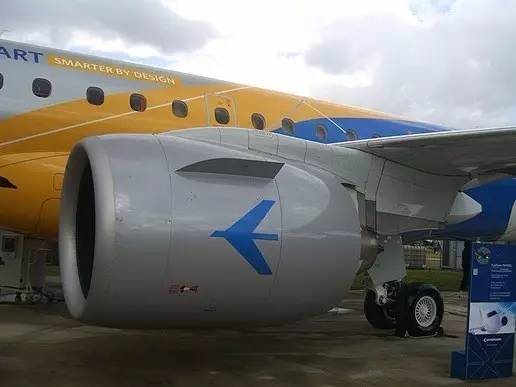 巴西航空工業公司的E-190 E2采用了一系列改進,包括一組全新&高縱深機翼、高級電子航空系統、第四代線控飛行控制系統,以及普惠的靜潔PurePowerGTF高涵道比發動機。具體來說,PW1700G將登陸E175-E2,而PW1900G將登陸E190-E2(如圖所示)和E195-E2。
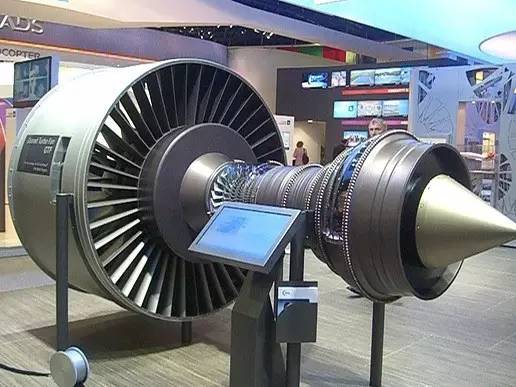 這一新款普惠發動機能夠提供大幅能效提升、顯著節油成果以及超低表現,一定會在飛機廠商中大受歡迎。事實正是如此,目前共有至少5款新款機型均決定采用這款發動機,分別為空客(Airbus)A320neo、龐巴迪(Bombardier)CSeries、巴西航空工業公司(Embraer)E190-E2、俄羅斯聯合航空制造公司(UAC)MC-21及三菱(Mitsubishi)MRJ。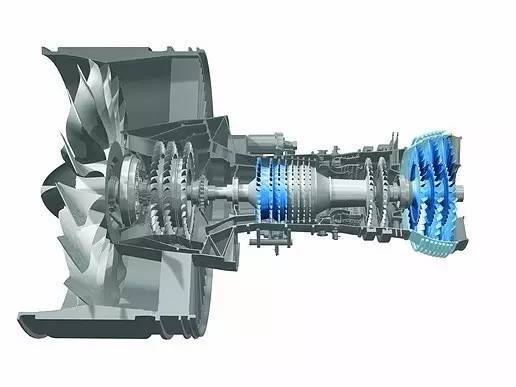
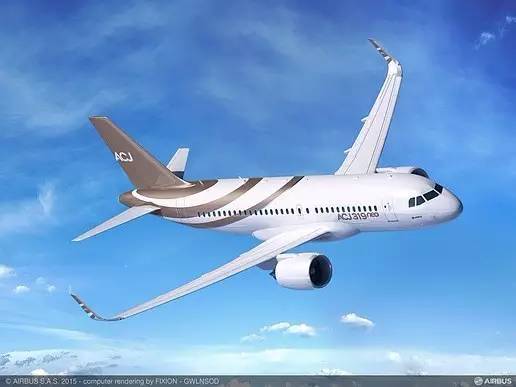 普惠公司的PW1100G GTF是空客ACJ319neo的兩款選定發動機之一。