Ryan Dehoff現任美國橡樹嶺國家實驗室(ORNL)堆疊技術工作組領導人,他致力于推進部件增材制造的研發工作,并推廣多種技術的應用,包括電子束熔化成形、激光金屬沉積、以及超聲增材制造等。他目前著力于研究工藝技術,并通過增材制造(也稱作3D打印)探索新材料,以便提升部件生產流程中的能源效率、減少材料浪費,并提高材料性能。我們近期與Dehoff進行了深入交流,了解了關于增材制造技術的更多信息。
SAE:在哪些新型應用領域有望使用增材制造?
Dehoff:汽車工業中有許多應用案例,例如使用金屬粉床系統制造注塑模具。這是增材制造的一個重要應用,因為無需對使用這種技術制造的最終成品部件進行認證和質量驗收,并且注塑模具部件的循環使用時間也可以極大提升,因此生產部件的成本會有所降低。因此研究人員也在嘗試使用增材技術打造發動機原型,并在未來投入量產。他們試圖通過優化設計來提高發動機效率、降低成本,并且增材制造技術的價值也在于,可以在鑄造或量產工藝正式開始之前,詳細核查設計的可行性。
SAE:目前廣泛討論的3D打印標準是什么?
Dehoff:我認為現在正在研究的標準,是將增材制造技術落實到不同產業應用中的第一個重要步驟。但我想這個技術面臨的一大挑戰是,或許很難用傳統的思維方式去規劃并實施部件的驗收與認證工作。在這個領域有許多不同的機構,我也知道有許多不同的標準制定組織,他們都在推進增材制造技術的發展。有些政府標準制定部門也在增材部件認證與驗收方面大有所為。我們在研究這些標準的同時,最好能夠保證,除了航空航天產業之外,汽車行業和其他工業部門也能夠參與到標準研究的工作中來。
SAE:大幅面增材制造技術(BAAM)的優點是什么?
Dehoff:通過我們與企業界的緊密合作,BAAM技術已經實現了相對快速的發展。辛辛那提公司(Cincinnati Inc.)正在將這項技術作為商業平臺進行銷售,也有其他公司正在關注大幅面增材制造系統。顯然,這項技術真正改變了人們對于增材制造技術的看法。傳統工藝無法完成大量材料的快速堆疊,但BAAM工藝一小時能夠堆疊70 lb (32 kg)至100 lb (45 kg) 的材料。因此這種技術的材料堆疊速率是很高的,達到了以前工業界無法實現的規模。這項技術有助于徹底改變人們對于增材制造技術的認識。
SAE:您對于增材制造工藝在汽車產業中的應用有怎樣的看法?
Dehoff:其實在這方面有很多進展,可能人們并沒有廣泛關注。但這項技術的確有望實現很多現有商業模式的徹底變革。目前大多數增材制造的應用領域比較小眾化,尤其是在汽車產業。現在的發展趨勢是實現增材部件的客戶定制化。例如,洛克汽車公司(Local Motors)的Jay Rogers正在嘗試打造一個微型工廠,你可以在這里設計你自己的汽車。同時,工具與模具產業也逐漸走向大規模定制的方向,你也可以從小規模量產階段開始發展,當然這也是比較有特色的小眾市場。最終這種技術的應用范圍會越來越廣。
SAE:航空航天產業是否在增材制造應用方面更為先進?
Dehoff:我個人在過去十年的產業發展中感受到的趨勢是,航空航天業幾乎是增材制造技術的主要驅動產業,原因是航天業在部件輕量化和高效性設計方面可以獲得巨額收益。現在增材制造的部件成本在不斷降低,技術可靠性越來越高,制造速度越來越快,因此許多產業都可以像汽車業一樣采用這種技術。據我了解,康明斯(Cummins)正在使用增材制造技術來提高他們的發動機效率。我不清楚現在汽車的車身框架或保險杠的制造過程是否可以大規模使用3D打印技術,不過也許短期內難以實現;但渦輪增壓器、水泵和發動機殼等領域的3D打印應用可能很快就可以實現,甚至比我們預計的要更快。
SAE:哪些材料可以用于增材制造技術?
Dehoff:總體來說,大多數正在研發的材料是目前用于鑄造或機械成形的材料。不過我認為這種做法有點固步自封。目前行業中正在出現的整體發展趨勢是,為極端苛刻的熱環境設計專用的新型材料。在制造材料的過程中會產生許多熱力瞬變。這些熱力瞬變在傳統材料上很難實現,但如果我們能夠為增材技術工藝研發專用材料,我們就有望制造出更為優質的材料。在今后十年,將會出現專門為增材制造技術定制的材料。
SAE:這項技術亟待解決的挑戰是什么?
Dehoff:我認為增材制造技術面臨著一個特殊的挑戰。由于這項技術的前景十分廣闊,所以發展速度過快,你可以參閱一下(Wohlers Associates咨詢公司旗下的)Terry Wohlers發布的報告,增材制造的年均復合增長率非常高。但有時候,我們的3D打印機制造速度跟不上這項技術需求的劇增速度。比如有許多打印機供應商,如果你今天跟他們訂購一臺打印機,可能要等一年的時間才能收到。因此現在供不應求是這個產業面臨的一大挑戰。
作者:Matthew Monaghan
來源:SAE《汽車工程》雜志
翻譯:SAE 中國辦公室
3D printing machines can't be built fast enough, ORNL expert says
As Deposition Science and Technology Group Leader at Oak Ridge National Laboratory (ORNL), Ryan Dehoff facilitates the development of additive manufacturing of components, utilizing various techniques including electron beam melting, laser metal deposition and ultrasonic additive manufacturing. He is developing processing techniques and exploring new materials via additive manufacturing (also known as 3D printing) to improve energy efficiency during component production, decrease material waste and improve material performance. We recently spoke with Dehoff to learn more.
What are some of the new applications where additive manufacturing could potentially be used?
A couple of examples I’ve seen in the automotive industry are things like utilization of metal powder bed systems to make injection mold tooling. That’s a really big application for additive manufacturing because you don’t necessarily have to certify and qualify an end-use part, but it can dramatically increase the cycle time of injection molded components and therefore lead to decreased cost of producing that component. People are also looking at utilizing additive technologies to build prototype engines that they might want to go into production in the future. So they’re trying to make those engines more efficient and more cost-effective through design optimization, and additive gives them a valuable tool to be able to go through and look at those designs prior to going into the casting or production process.
Where is the 3D printing standards discussion at currently?
The standards that are being developed, I think, are a good first step in implementation of additive into different industrial applications. But I think the big challenge with additive is it may be difficult to actually qualify and certify parts with a conventional mind-set. There are a lot of different groups; I know there are several different standards organizations and they all have efforts in additive manufacturing ongoing. Some of the government standards organizations also have some fairly large efforts going on in how to certify and qualify additive. It would be good to make sure as we go through and start trying to develop those standards that it’s not only the aerospace community that’s involved in standards development. But it’s also automotive and other industrial sectors that are involved with that development work.
What are the advantages of Big Area Additive Manufacturing (BAAM) technology?
That was a relatively rapid advance in the technology through our collaboration with industry. Cincinnati Inc. is now selling that technology as a commercial platform, and there are others that are also looking into large-area additive systems. One of the unique things that brought to the table is that it really changed the way people thought about additive. Traditionally, we don’t put down a lot of material; in the case of BAAM, we’re able to put down 70 lb (32 kg), upwards of 100 lb (45 kg) of material an hour. You can get very high deposition rates, go to very large scales that weren’t really seen across the industry before. It really helped to revolutionize people’s thought process on what additive manufacturing means.
How do you see the automotive industry embracing additive manufacturing?
There’s a lot going on behind the scenes that a lot of people aren’t necessarily talking about. Because it does have the potential to revolutionize people’s business cases. Right now, most of the additive manufacturing are niche applications, especially in the automotive industry. We have a tendency for additive parts to focus on customization. An example of the potential for customization is something like Jay Rogers from Local Motors, and what he’s trying to do is make a micro-factory where you may come in and design your car. At the same time, we see that going down into mass customization for the tool and die industry where you can start getting into very low-volume production as well, which is a little bit unique and a niche market. Eventually it may be adopted well beyond that also.
Is the aerospace industry much farther along in terms of adopting additive manufacturing?
The general trend that I’ve seen in the industry over the past decade is that aerospace seemed to be the main driver because it had huge payoffs associated with making components lighter and making components more efficient. What we’re starting to see in the additive world is that the costs of components are dropping, the technology is becoming more reliable, you can get parts fabricated faster and that’s allowing different industries to adopt additive technologies like the auto industry. There are some unique things that I know Cummins has done where they’ve been able to increase the efficiency of their engine through additive technologies. I don’t know if it’s being bulk adopted for 3D printing of car frames or bumpers; that’s probably not where we’re going to be any time soon, but on specific applications in turbochargers, water pumps and engine housings, those types of things may be a reality sooner than we think.
What are some of the materials being considered for additive?
Holistically, most of the materials that are being developed are materials that we currently use today in castings or machine forms. I think we’re limiting ourselves a little bit when we do that. What we’re starting to see a general trend in is the development of new materials specifically designed with the very harsh thermal environment during the processing condition. We get a lot of thermal transients during building. Those thermal transients can be very hard on conventional materials, but if we’re developing materials specifically in mind of being processed with additive we can actually make better material than we can today with other processes. In the next 10 years you’ll start to see customized materials specifically for additive manufacturing.
What are some of the challenges yet to be overcome?
One of the things that I see as a unique challenge in additive manufacturing is as these technologies show promise the additive manufacturing community is growing at a tremendous rate. If you look at some of the reports by Terry Wohlers [of consulting firm Wohlers Associates], there’s a huge compound annual growth associated with additive manufacturing. In some cases, we can’t actually build machines fast enough. There are a lot of companies out there that are machine vendors where if you order a machine today, you may have to wait a year until that machine arrives at your factory, there’s that much demand on the industry.
Author: Matthew Monaghan
Source: SAE Automotive Engineering Magazine

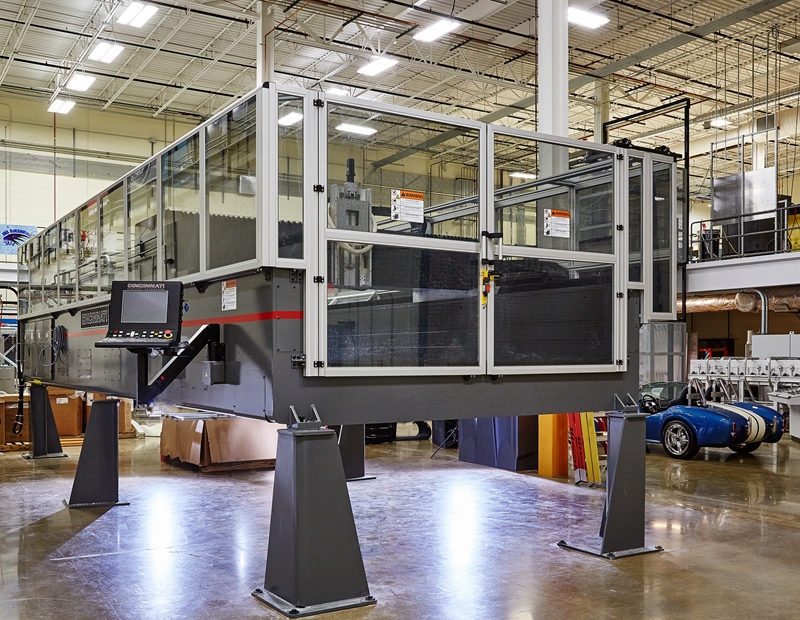 圖為美國能源部在橡樹嶺國家實驗室(ORNL)設立的制造示范工廠,現在這里擁有全球最大規模的聚合物3D打印機。ORNL與辛辛那提公司合作了一年的時間,研發出新型BAAM(大幅面增材制造)設備,辛辛那提公司的主要業務是工具制造,擁有126年的歷史。
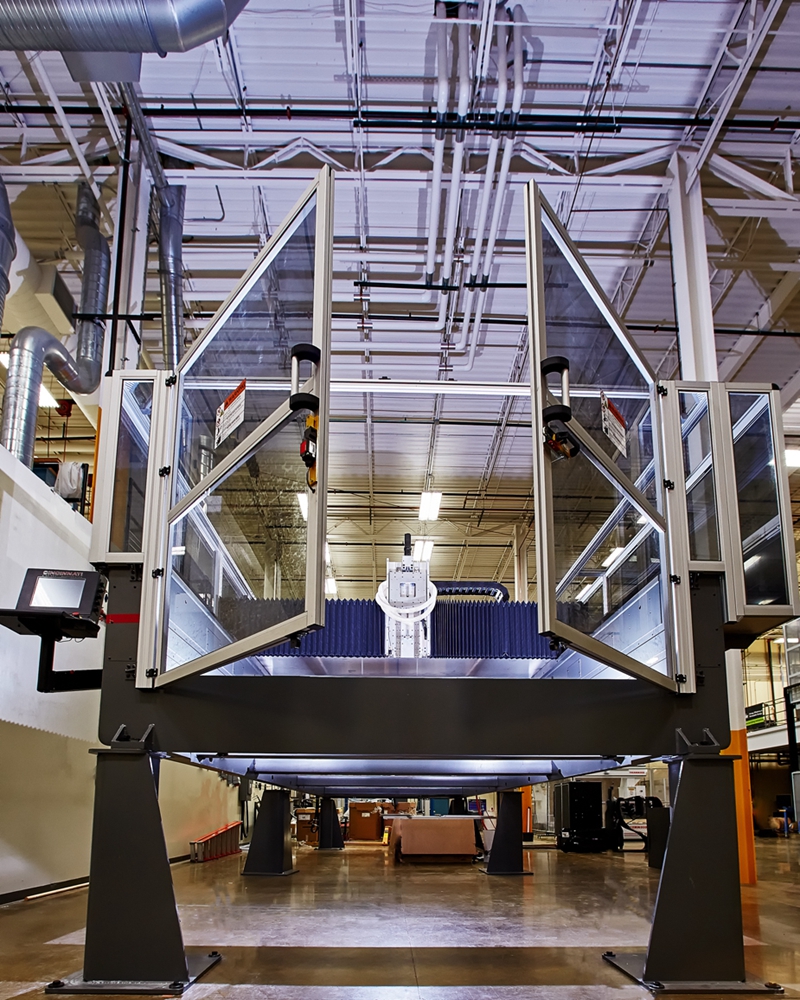 BAAM 200能夠打印的最大幅面尺寸是:長20 英尺 (6.1 m),寬8 英尺 (2.4 m),高6 英尺(1.8 m)。
 ORNL的堆疊科技工作組領導人Ryan Dehoff表示,“增材制造的一大挑戰是,可能難以用傳統的思維方式規劃并實施部件的驗收與認證工作。”