故事的開始于殼牌(Shell)、Gordon Murray Design公司(下簡稱GMD公司)、Geo Technology和一個想法。
這個想法就是打造一款具有超強經濟性的小型汽油機,用于三座超緊湊城市車T25M。 這輛車將更加輕質高效,最高時速可達130 km/h(80 mph),綜合油耗將達到2.8 L/100 km (84 mpg)甚至更低。T25M的空氣動力學性能也會更好,車輛將裝配一塊可以向前敞開的單面遮蓬,在行駛時可實現零寬度搖擺。
為了實現這一目標,多方合作伙伴在2015年4月發起了M項目(M為英文Mobility的首字母,意為車“輛動力”),達成共識:“讓進步開始吧!”
這一進程最早始于GMD的T25M研發項目,而如今參與各方確實都取得了進展,有越來越多的技術保密信息開始展示給公眾。在位于德國漢堡的殼牌技術中心,合作各方的多名高管對項目的未來前景進行了展望。
殼牌創新潤滑油技術經理Bob Mainwaring表示:“2010年,殼牌公司曾為GMD的T25城市汽車項目供應潤滑油(http://articles.sae.org/10006/),使T25的燃油經濟性在歐洲城市循環測試中提升了6.5%,在綜合循環測試中則提高了4.7%。這些成績讓合作各方開始思考,如果要在2025年實現能源效率翻倍的目標,是否可以聯手打造一款效率極高的發動機,并以在此基礎上開發一種全面綜合的解決方案?”
而這個問題的答案已開始慢慢成形。獲得突破的關鍵之處在于采用先進的潤滑油解決方案,并大量使用類金剛石碳涂層(DLC),降低發動機中幾乎所有活動部件的摩擦。
Mainwaring強調,公司之間的通力合作非常必要,這樣才能將硬件設計與降低摩擦相結合。他指出,雖然大家都知道要合作,但實施起來并不容易。
“一方面,我們想通過降低油品粘度來減少阻力和摩擦,但另一方面,如果油品粘度太低,部件之間形成的油膜就會變薄,這會使硬件更容易磨損,”他解釋道。“這兩個方面之間進行平衡非常重要,我們將需要達到的狀態描述為‘安全的最邊緣’。”
這里的“安全”是指在保證硬件處于合理磨損范圍內的情況下,盡最大可能降低潤滑劑的粘度。殼牌的工程師對潤滑油的配方進行了調整,使其在所需的范圍內盡可能降低潤滑油的低溫粘度,從而防止部件表面直接接觸,加速磨損,特別是凸輪-挺桿和活塞環-氣缸套等關鍵接觸面。
在這些接觸面涂上保護用的DLC(類金剛石復合物)涂層后,殼牌團隊得以確信潤滑油與磨損的關鍵接觸點正是在凸輪軸和滑動軸承之間。
Mainwaring解釋道,這個關鍵點的抗磨性能是由潤滑油和添加劑粘度決定的,換言之,我們要知道,根據曲軸所承受的負載,潤滑油粘度最低可降至多少?
實現這一平衡的關鍵在于要將潤滑油視為一個設計元件:“需要不斷改變硬件來適應潤滑油,也需要不斷調整潤滑油來適應硬件要求,這樣才能取得最佳的燃油經濟性,”他對《汽車工程雜志》如是說。
M項目所用的潤滑油配方原型屬于SAE 0W-12級,而非常見的5W-30級油品。但潤滑油行業通常既不認可0W-12級,也不認可粘度更高的0W-16級油品。在與Geo Technology共同進行的發動機及其潤滑油研發過程中,殼牌的工程師決定放下常規,致力于設計一款粘度極低而又滿足項目要求的發動機油。他們計劃采用鉬鹽等摩擦改進劑,以達到這一目標。
這款定制的潤滑油已經用于首輛T25M展示車型所搭載的660 cm3的三菱3缸基礎發動機。Geo Technology的工程主管Hidehito Ikebe表示,與同等體積的機型相比,這臺基礎發動機擁有極高的轉速,而且功率強勁(在轉速為7500rpm時功率可達55 kW/73hp),但為了滿足本項目的需求,這款發動機的功率已調整到轉速5500 rpm時36 kW(48 hp),而壓縮比則從10.8:1提升到了12.4:1。
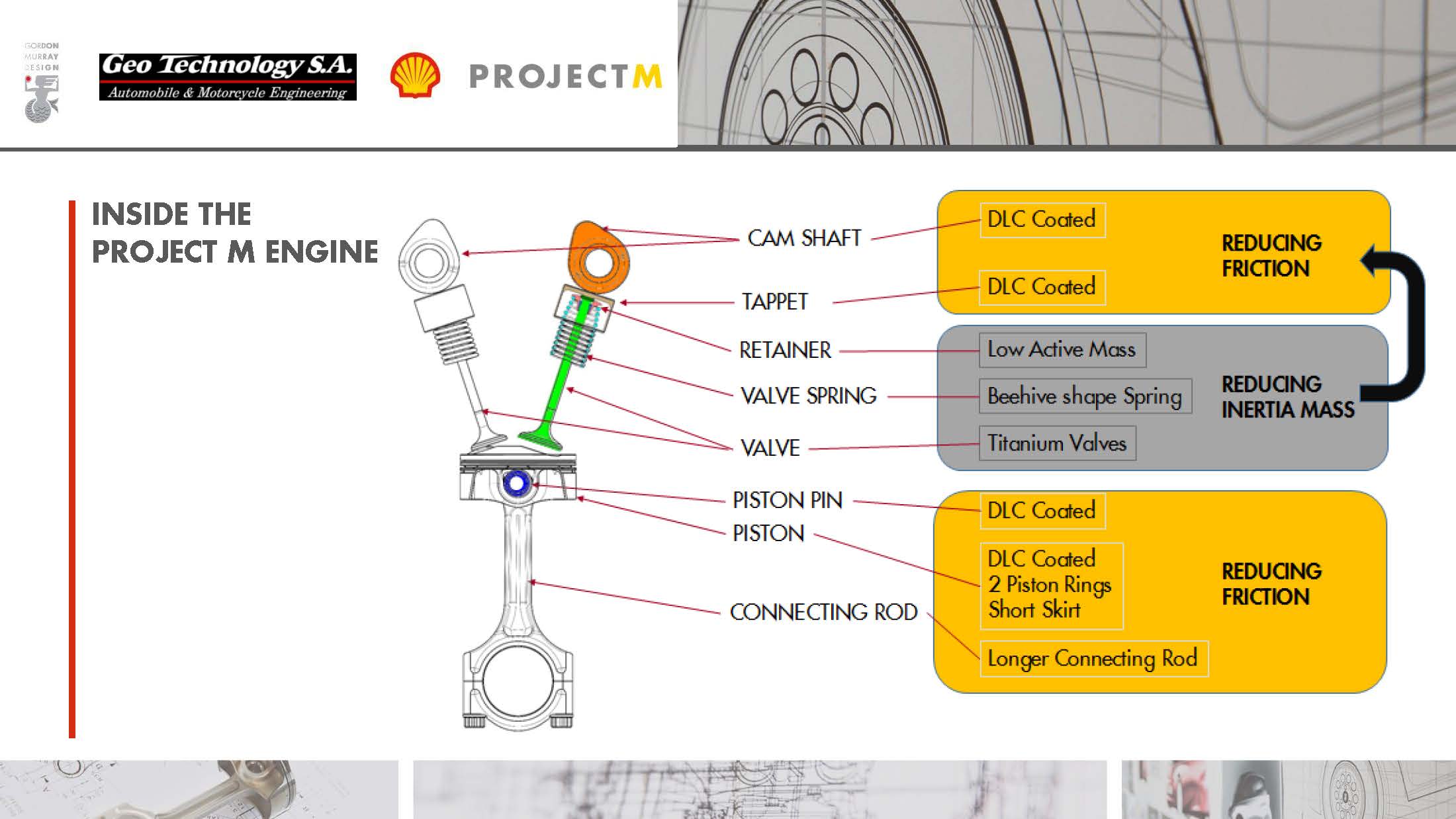
Geo Technology還設計了一些新的部件,使用“beehive(蜂窩式)”閥門彈簧、鈦金屬氣門、以及DLC涂層等技術來降低發動機的摩擦。
Ikebe表示,活塞是降低摩擦的關鍵。除了活塞頂之外,T25M的整個活塞都是全新設計的。活塞環從3個減為2個,而鐵箍的數量也減少了40%。連桿延長了9%,活塞重量降低了40%。通過這些變化,活塞的慣性質量減少了30%。
T25M目前還沒有制定上市計劃。M項目的本質是進行可行性試驗,但參與項目的各方都希望它能為未來提升量產發動機的效率打下堅實的基礎。他們都表示從項目中獲得了一些“靈感”。
T25M項目由殼牌公司資助,但具體預算尚未公布。
T25M的官方發布時間已從2015年11月推遲至2016年第2季度,原因有二——一方面這個項目“雄心勃勃”,希望能夠盡善盡美,另一方面,項目需要先行收集所有數據,并與其他三款車輛原型進行能量與燃耗比較,這也需要更長的時間。
空氣動力性能和材料研發也是M項目的重要組成部分。很多人可能認為,空氣動力性能對城市車來說可能并不是那么重要,但GMD的設計總監Andy Jones強調說,對一輛載有3名乘客(95%的情況下是成年人)的城市汽車而言,不到0,30 Cd的風阻系數已經很不錯了。這款車高度為1.6 m(5.2英尺),相對較高,但卻可以輕松停入2.65長、1.35寬(8.7 x 4.4英尺)的空間,一般來說在一個標準的停車位上,可以停泊3輛T25M。
Jones解釋道,實現相對較低的風阻系數意義重大,因為城市車不僅僅在市中心行駛,也會前往郊區,而車輛在這里的行駛速度相對較高。由于車輛設計的最高時速高達128km/h,因此空氣動力性能可以產生巨大影響。
Jones表示,在T25M“奮力降低車輛驅動能源”的努力中,“超越傳統架構”的輕量化理念也頗為重要,因此項目的另一大重點內容是使用先進材料,以及對車身主體結構進行重新思考。
T25M項目對于新材料的需求,推動GMD開發了iStream Carbon這一創新產品,這一成果已在2015年東京車展上展出。這一底盤技術已在雅馬哈Sports Ride概念跑車中得到應用。
作者:Stuart Birch
來源:SAE《汽車工程雜志》
翻譯:SAE上海辦公室
Low-friction techniques push advanced city-car project toward 84-mpg target
In the beginning there were Shell, Gordon Murray Design (GMD), Geo Technology, and an idea.
The idea was to create a very small gasoline engine that demonstrated super efficiency to provide a 3-seat, aerodynamic, lightweight and ultra-compact city car having forward opening single canopy access with zero-width swing. The car would have a combined fuel consumption of 2.8 L/100 km (84 mpg equivalent) or less, and a top speed of around 130 km/h (80 mph).
To achieve it, in April 2015 Project M (for mobility) was initiated and the partners agreed: “Let progress commence.”
It did, with R&D development of the Gordon Murray T25M. Now, as the project continues, the cloak of confidentiality has been partially pulled aside. At Shell’s Hamburg [Germany] Technical Center, senior executives of the companies involved revealed the shape of graphs to come.
Bob Mainwaring, Shell Lubricants Technology Manager for Innovation, said: “Shell supplied lubricants for Gordon Murray Design’s T25 city car program (http://articles.sae.org/10006/) in 2010, with the result that fuel consumption improved by 6.5% in the European urban cycle and 4.7% in the combined cycle. Those results seeded the thinking that with energy consumption set to double by 2050, what would be the result if we worked together on an holistic, co-engineered approach with a new engine design to achieve a very high level of engine efficiency?”
The answer is emerging, with a major advance centering on reducing the friction of almost all moving parts of that engine using advanced lubrication solutions complemented by extensive use of Diamond-like Carbon Coatings (DLC).
Mainwaring emphasized the need for companies to collaborate and to link hardware design with programs to reduce friction. That is well enough known but achieving it can be tough, he acknowledged.
“On one hand we want to reduce viscosity to lower drag forces and lower friction but on the other hand reducing viscosity, oil thicknesses within a component are likely to drop, making the hardware more vulnerable to wear," he noted. "Balancing the two is very important and we call that being ‘close to the edge but safe’.”
"Safe" in this context means pushing the limits of viscosity while achieving acceptable wear. Shell engineers adjusted the lubricant's formulation to give as low viscosity as possible at low temperature, while keeping it as high as it needs to be (which might be a low value at high temperature) to stop surfaces touching and wearing, he said, noting critical interfaces such as the cam-to-tappet and piston ring-to-cylinder liner.
By coating these surfaces with DLC (Diamond-like Compound), the Shell team was able to protect these and ensure that the lubricant-vs.-wear pinch point is the crankshaft and its journal bearings.
That pinch-point is in the control of the viscosity of the lubricant and the additives, Mainwaring explained, adding a simple summation: How low can the viscosity be for the loads that are imposed on the crankshaft?
An essential element of achieving this balance is to consider the lubricant as a design component: “Changing the hardware to match the lubricant and the lubricant to match the hardware will give the best fuel economy,” he toldAutomotive Engineering.
The prototype formulation for Project M is in the SAE 0W-12 range compared to the typical 5W-30 grade. Industry specifications do not recognize either 0W-12 or thicker 0W-16. In working with Geo Technology to co-engineer the engine and its oil, Shell engineers are essentially throwing away the specification book and the compromises it forces. Their aim instead is to design an engine oil that delivers the very low friction results that it is targeting. Use of friction modifiers, some containing elements such as molybdenum will be used.
It is this bespoke approach that has been applied to the base 660-cm3 Mitsubishi3-cylinder engine that will power the one-off technology demonstrator T25M. The base engine is high revving and powerful (55 kW/73-hp at 7500 rpm) for its size, but Hidehito Ikebe, Director of Engineering at Geo Technology, said that to support the project’s criteria, this has been reduced to 36 kW (48 hp) at 5500 rpm. Compression ratio was raised from 10.8:1 to 12.4:1.
The company has designed some new parts, introduced "beehive" type valve springs, titanium valves, and incorporated DLC solutions to reduce friction in several areas.
Ikebe said the piston is the most significant area for reducing friction. Except for the crown, piston design for the T25M is all new. Two rings instead of the normal three are used, and the number of strakes reduced by 40%. The connecting rods were extended by 9%, and piston weight reduced by 40%. Collectively these changes produce a 30% reduction in inertial mass, he explained.
There is no intention at present of bringing the T25M to market. Project M is a capability analysis exercise only, but all those involved in it clearly hope that it will represent a building block for future advances in efficiency for series produced engines. Certainly some “insights of value” have emerged, agree the participants.
The project is being funded by Shell, although no specific details of its budget have been released.
The timing of getting the T25M to its unveiling stage (moved from an officially announced November 2015 to Q2 of 2016) is due both to the project being “very ambitious” and for the decision to first gather all the data needed and compare it against three vehicle archetypes on an energy and fuel consumption basis.
Aerodynamics and materials also are a significant part of Project M. With regard to aerodynamic efficiency, it might be thought that it is not of paramount importance for a city car. But Andy Jones, GMD’s Design Director, emphasized that for a car carrying three, 95th-percentile adults, its sub-0,30 Cd figure is good. The vehicle is relatively high at 1.6 m/5.2 ft, but very short for “nose-in” parking at 2.65-m long and 1.35-m wide (8.7 x 4.4 ft) to permit three of the type to park in a standard parking space.
Achieving the relatively low Cd is significant, Jones explained, because city cars are often driven not just in central areas but into and around urban areas where speeds reached can be relatively high. The car's designated 128 km/h (80 mph) Vmax capability makes aerodynamics significant.
Jones said that application of advanced materials and rethink of the vehicle’s primary structure is the second major element of the T25M’s “fight to reduce vehicle drive energy,” with a lightweighting philosophy "that goes beyond conventional architectures.”
The T25M contains the materials evolution that has led to GMD’s iStream Carbon, shown for the first time at the 2015 Tokyo Motor Show. It is the chassis technology used for the Yamaha Sports Ride Concept.
Author: Stuart Birch
Source: SAE Automotive Engineering Magazine

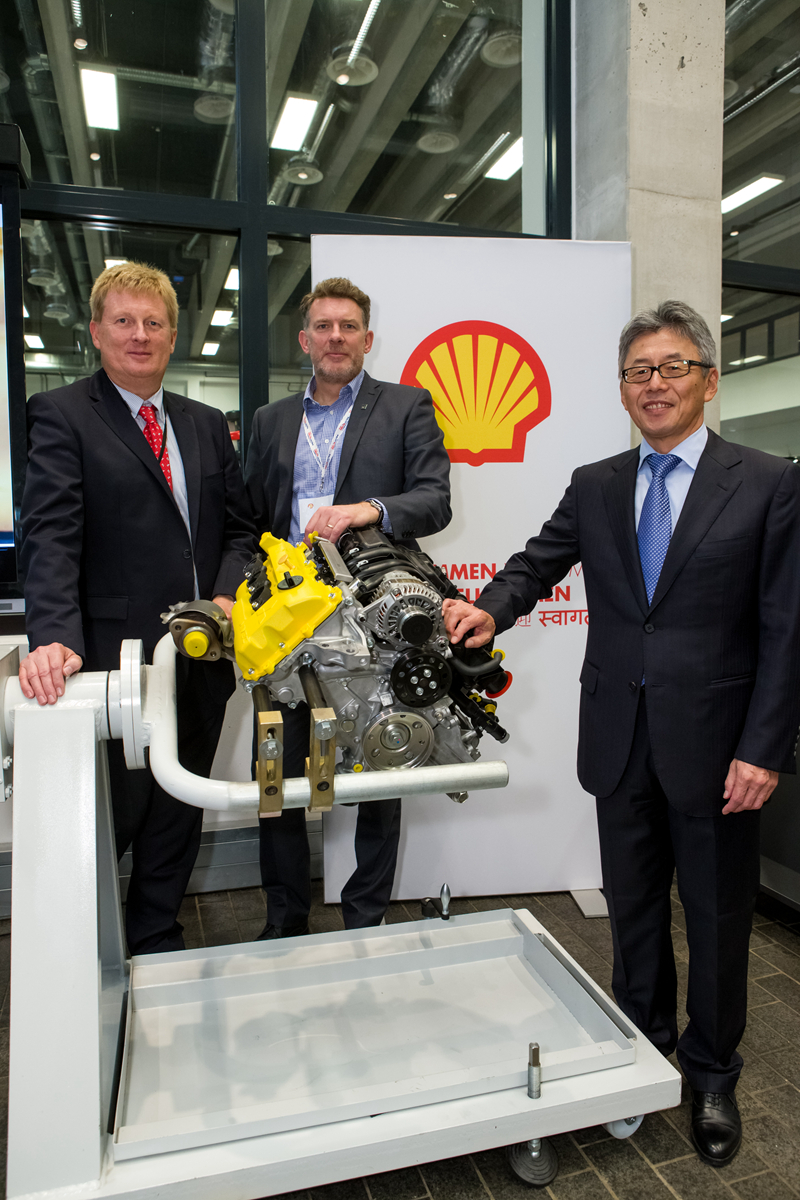 從左至右為:殼牌公司的Bob Mainwaring;GMD公司的Andy Jones;Geo Technology 的Hidehito Ikebe,他們正在聯手打造T25M城市汽車。
 通過T25M實現燃油經濟性的提升,是項目的首要任務之一
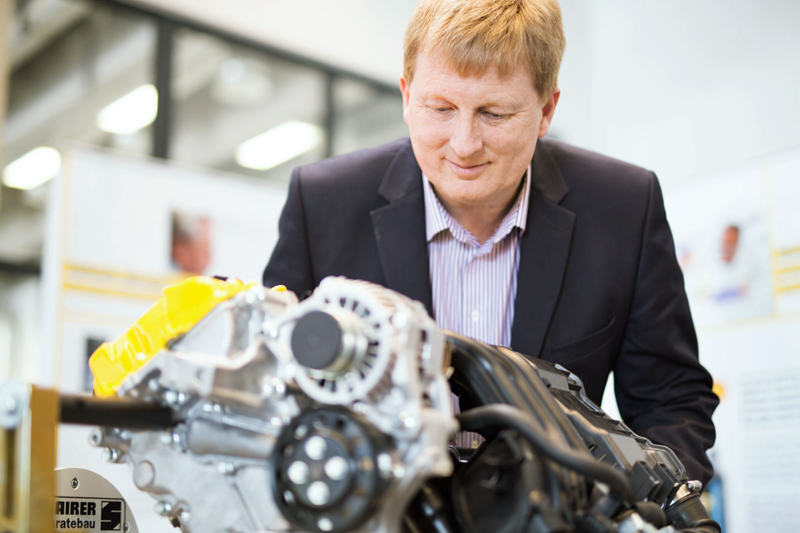 殼牌的Bob Mainwaring強調,為了實現T25M項目中發動機能效的提升,各方的通力合作至關重要。
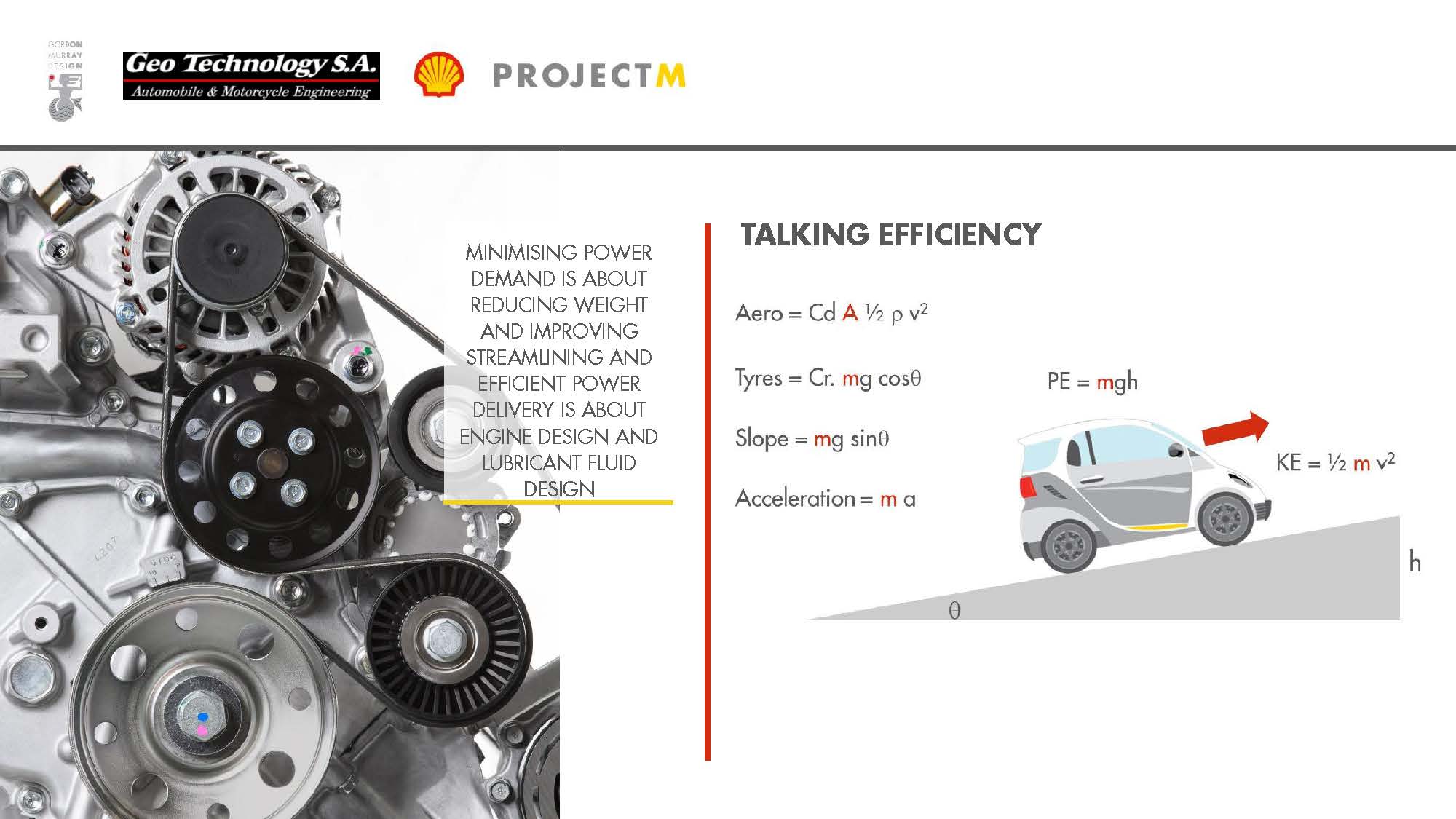 在研發中要關注硬件和潤滑油的緊密配合,以提升效率。
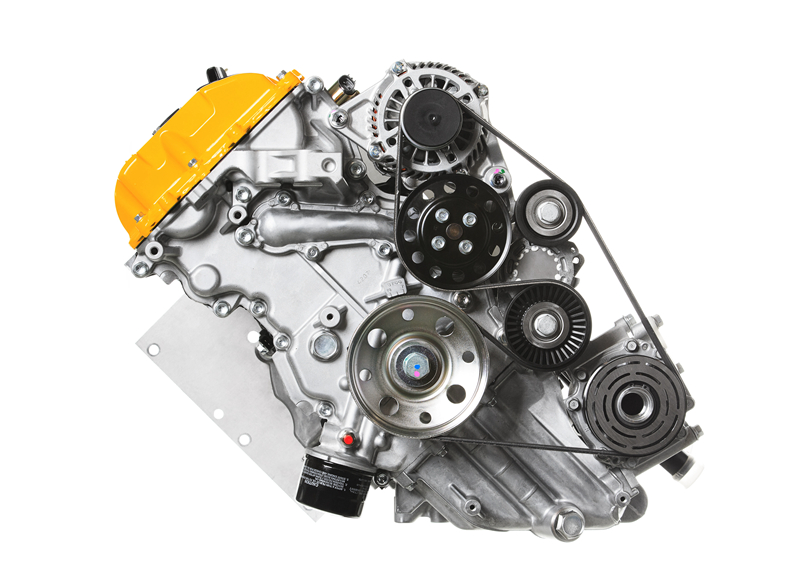 在GMD公司的T25M車型上所采用的660cc三菱發動機,需要進行大量的研發和測試。
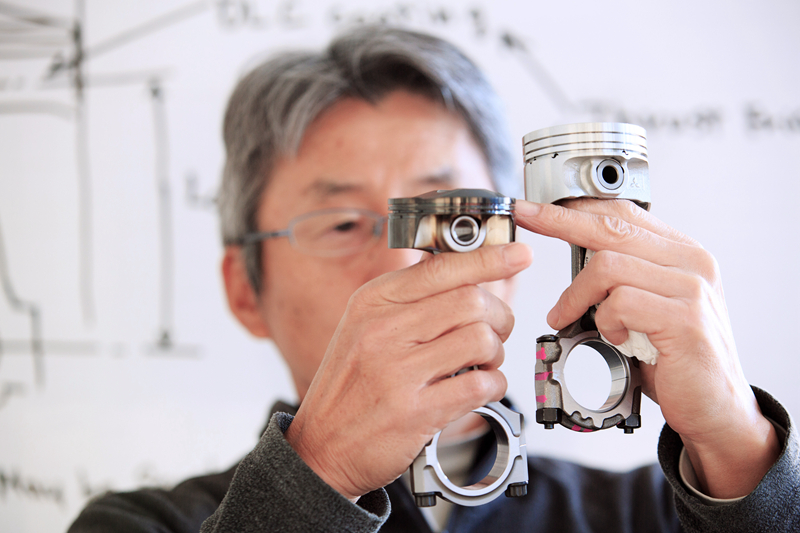 Geo Technology的Hidehito Ikebe表示,活塞是提升發動機效率的關鍵之所在。
 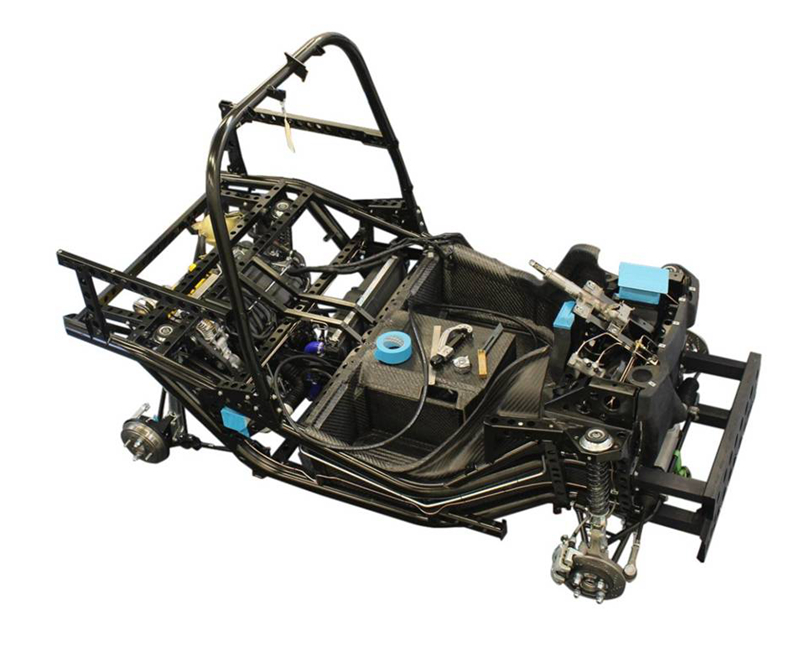 圖為T25M城市汽車的底盤總成。