過去十年,隨著新技術的演進,汽車電子設備的安全性和可靠性標準也有了很大改變。許多以前消費者購買汽車時作為選配的技術,包括穩定性控制和防抱死制動系統等,現在都已經是大多數車輛的標配。而車道偏離警告系統,車輛通信系統和夜視鏡等新型電子設備則成為可選配的新款電子設備。
隨著汽車設計與制造各方面的要求不斷提升,設計師們必須充分了解汽車認證標準方面的要求,而且這些要求比消費者電子產品的保護要求涵蓋范圍更廣。但是,在設計要能夠符合標準則面臨了諸多技術挑戰。
雖然集成電路因其體積更小,速度更快在汽車中被使用,但卻更容易遭受靜電放電(ESD)的損害。在認證測試過程中通過仿真實驗,我們有針對的模擬電氣瞬變的車真實場景,來測試這些設備是否達標。
本文旨在提供汽車標準和電路的實際應用和解決方案,目的是幫助電路設計師們實現穩健、可靠的設計。首先,本文會強調兩種測試標準的測試要求,并探討需要保護的汽車電路的最常見類型。然后,本文會解釋先進的電路保護技術,用于保護多種汽車應用,并且這些技術應納入早期設計階段,以確保安全性和可靠性。
符合汽車測試標準
為了保證先進的車輛電子設備可以合格上市,電路設計師們必須充分了解ISO 10605和AEC-Q101的測試標準要求。
ISO 10605: 該國際標準詳細說明了為公路用車研發的電子模塊評估的ESD測試方法。所有模塊必須能夠抵抗由裝配,保養/維修,和操作引起的電干擾。對于ISO10605合規來說,每個電路和模塊必須在裝配到車內之前進行預先測試。汽車裝配完畢后,也必須經過測試,以確保安全性和可靠性。
AEC-Q101: ISO 10605著重于電氣危害,而AEC-Q101則關于環境的具體要求。該標準詳述了一系列合格性測試,目的是確保基于半導體的汽車部件的長期可靠性。ESD保護裝置,諸如瞬態電壓抑制(TVS)二極管,以及TVS二極管陣列,必須符合AEC-Q101標準,這樣汽車制造商才能將它們裝配到車內。AEC-Q101的合規部件必須能經受熱沖擊和熱循環,極端溫度,以及高濕度環境。
明確需要保護的汽車電路
所有電路和部件都容易遭受電磁瞬變的損害——這一點與它們在車輛內部的裝配位置無關。以下列舉了四個最常見的需要保護的電路:
1. 老式雙路通信公交車:
a. 控制器局域網絡(CAN):該標準允許微控制器和裝置實現車內通信,而無需使用主機。CAN系統具有多種功能——從動力轉向到發動機計算機和變速器之間的重要的傳動系統通信。
b. 局域互聯網絡(LIN):該串行網絡協議用于車內部件間的通信。LIN公交車具有簡單的電機功能,諸如移動電動座椅,以及開關恒速操縱器。
CAN/LIN公交車有更高的瞬時突波發生概率,可能會造成未受保護的CAN/LIN無線電收發機故障。圖2刻畫了CAN和LIN公交車保護的實用策略。
2. 高速數字公交車:USB/HDMI接口支持的車內消費者應用。例如,儀表板或許會有一個USB接口,乘客可以用它為手機/平板電腦充電或者播放音樂。HDMI接口是備用接口,也可用于連接車內前視攝像頭。這些接口的數據流量越來越快,芯片敏感性越來越高,因此需要卓越的信號完整性和系統可靠性。USB/HDMI接口可能會因車內的相對小型ESD事件和短路而遭到損壞。
3. Wi-Fi通信/SIM卡槽:該技術允許車輛為乘客提供蜂窩3G或LTE通信。SIM模塊是電路的中介部分,能將LTE轉換成Wi-Fi,用戶可以連接手機、平板電腦和筆記本電腦。SIM卡槽需要ESD保護,因為在模塊裝載或替換到車內時,卡槽易受人類活動的影響。
4. 高頻通信/RF(無線射頻):該技術由短程RF電路支持,可以實現車對車或車對路通信。網絡可以讓車輛發現彼此,并實現相互通信,有助于防止碰撞事故的發生,也有利于建設智能交通系統。RF放大器的前端對ESD非常敏感。無偏差RF信號能夠在天線電路上產生正負極性電壓。
匹配電路保護方案和汽車應用
汽車電路設計師們或許很難獲得高質量的電路保護方案,因為有能力研發滿足AEC-Q101標準的產品的公司屈指可數。在選擇汽車制造商時,務必要驗證該制造商的資質證書,以確保該公司的產品滿足所有產業適用標準。該公司也應該遵守產品設計的最佳實踐,并應用高質量制造工藝。表1列出了一些電路保護方案,都應在早期設計階段實施。
結論
穩健的汽車電子設備設計要求提前規劃環境和電氣危害管理。成功的設計始于對ISO 10605和AEC-Q101測試標準要求的充分理解。每一個應用層的電子設備都需要充分的保護,因為整車及其中的每一個模塊都會經過全面的可靠性測試。
電路設計師也應該考量需要保護的汽車電路的電氣脆弱性,尤其是與新型通信和網絡相關的電路。通過了解汽車測試的標準和電路,設計師們就能夠選擇可以為其所用的最佳電路保護方案。
本文由來自Littelfuse有限公司James Colby為《汽車工程雜志》撰稿。
作者:James Colby
來源:SAE《汽車工程雜志》
翻譯:SAE上海辦公室
Understanding the Importance of electrostatic discharge standards
Within the past decade, the safety and reliability standards for automotive electronics have changed significantly as new technologies have evolved. Technologies that used to be sold as options, including stability control and antilock brakes, are now offered as standard features in most vehicles. Today’s innovative automotive electronics enable lane-departure warning, vehicle communications, and night vision.
This shift in design and manufacturing mandates that designers understand the demands of the automotive certification standard that extends beyond the protection requirements for consumer electronics. However, designing for the automotive standard involves several technology challenges.
As automotive integrated circuits continue getting smaller and faster, they become more susceptible to damage from electrostatic discharge (ESD). In addition, the automotive environment is marked by harsh electrical transients, which are simulated during automotive certification testing.
This article makes practical application of automotive standards, circuits, and solutions to help circuit designers create robust, reliable designs. First, it highlights the testing requirements of two test standards and discusses the most common types of automotive circuits requiring protection. Then, it identifies advanced circuit protection technologies for several automotive applications that should be implemented early in the design phase to ensure safety and reliability.
Measuring up to automotive test standards
Circuit designers must consider the requirements of the ISO 10605 and AEC-Q101 test standards for their advanced vehicle electronics to be qualified for the automotive market.
ISO 10605: This international standard specifies ESD test methods for evaluating electronic modules developed for use in road vehicles. The modules must be able to manage electrical disturbances caused by assembly, maintenance/repair, and operation. For ISO 10605 compliance, every circuit and module must be pretested before being added to the vehicle. Once the assembled car is ready, it must also be tested to ensure safety and reliability.
AEC-Q101: While ISO 10605 focuses on electrical hazards, AEC-Q101 is an environmental specification. It describes a series of qualification tests that ensure the long-term reliability of semiconductor-based components in the automobile. ESD protection devices such as transient voltage suppression (TVS) diodes and TVS diode arrays must increasingly conform to the AEC-Q101 standard for a vehicle manufacturer to add them to a vehicle. AEC-Q101-compliant components must be able to handle thermal shock and cycling, extreme temperatures, and high humidity.
Identifying automotive circuits requiring protection
All circuits and components are susceptible to damage from electrical transients—regardless of their location within the vehicle. The following list identifies the four most common circuits requiring protection:
1. Legacy two-wire communication buses:
a. Controller Area Network (CAN): This standard allows microcontrollers and devices to communicate within a vehicle without the use of a host computer. CAN systems handle a variety of functions—from power steering to the critical drive-train communications between the engine computer and the transmission.
b. Local Interconnect Network (LIN): This serial network protocol is used for communication between components in the vehicle. LIN buses manage simple electromechanical functions such as moving the power seats and toggling the cruise control.
CAN/LIN buses have a high chance of transient surge exposure, which can cause unprotected CAN/LIN transceivers to fail. Figure 2 illustrates practical strategies for CAN and LIN bus protection.
2. High-speed digital buses: USB/HDMI ports support consumer applications within the vehicle. For instance, the dashboard may contain a USB port for passengers to charge their phone/tablet or play music. HDMI ports are also being used for backup and forward-looking cameras in vehicles. With faster throughput and greater chip sensitivity, these ports require outstanding signal integrity and system reliability. USB/HDMI ports could be damaged by relatively small ESD events and short circuits within the automobile.
3. Wi-Fi communication/SIM socket: This technology allows the vehicle to offer cellular 3G or LTE communication to the passengers. The SIM module is the intermediary part of the circuit that will convert LTE to Wi-Fi, allowing users to connect to phones, tablets, and laptops. The SIM socket requires ESD protection because it will be subjected to human interactions when the module is installed or replaced in the vehicle.
4. High-frequency communication/RF (radio frequency): This technology is supported by short-range RF circuits that enable vehicle-to-vehicle or vehicle-to-road communications. The network allows cars to see each other and communicate from vehicle to vehicle, which may help prevent collisions and enable smart traffic systems. The front ends of the RF amplifiers tend to be very sensitive to ESD. Unbiased RF signals will generate positive and negative polarity voltages on the antenna circuit.
Matching circuit protection solutions to automotive applications
Automotive circuit designers may struggle to find high-quality circuit protection solutions since the number of companies that are capable of developing products that meet the AEC-Q101 standard is limited. When selecting a manufacturer, it is vital to verify the company’s certifications to ensure that its products meet all applicable industry standards. The company should also follow best practices in product design and utilize high-quality manufacturing processes. Table 1 identifies several circuit protection solutions that should be implemented early in the design phase:
Conclusion
Designing robust automotive electronics requires advance planning for the management of environmental and electrical hazards. Successful design starts with understanding the requirements of the ISO 10605 and AEC-Q101 test standards. Adequate protection is required at each layer of electronics since individual modules as well as the completed car will be fully tested for reliability.
The circuit designer should also consider the electrical vulnerabilities of the automotive circuits requiring protection, especially those involving innovative communications and networking. With an understanding of automotive test standards and circuits, the designer can choose the best circuit protection solution for his or her application.
This article was written for Automotive Engineering by James Colby of Littelfuse, Inc.
Author: James Colby
Source: SAE Automotive Engineering Magazine

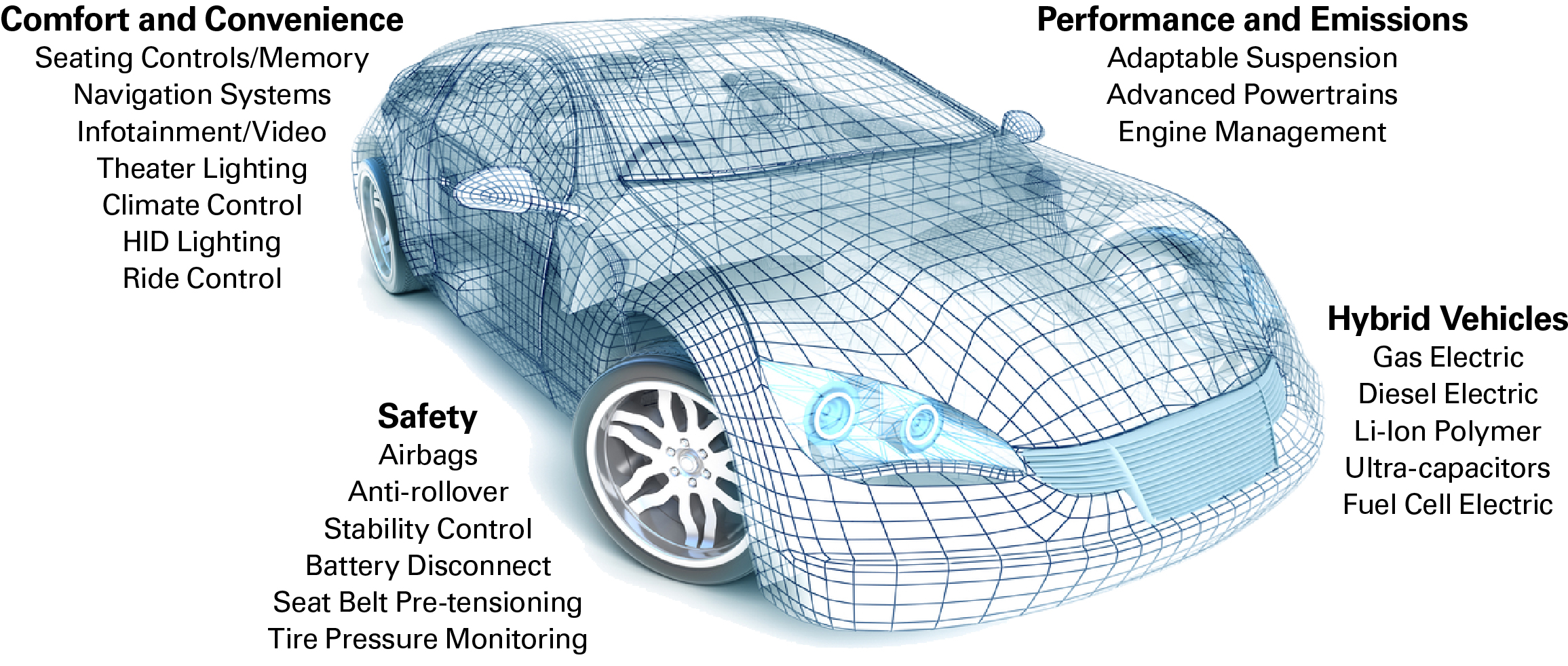 需要考量ESD保護的系統。
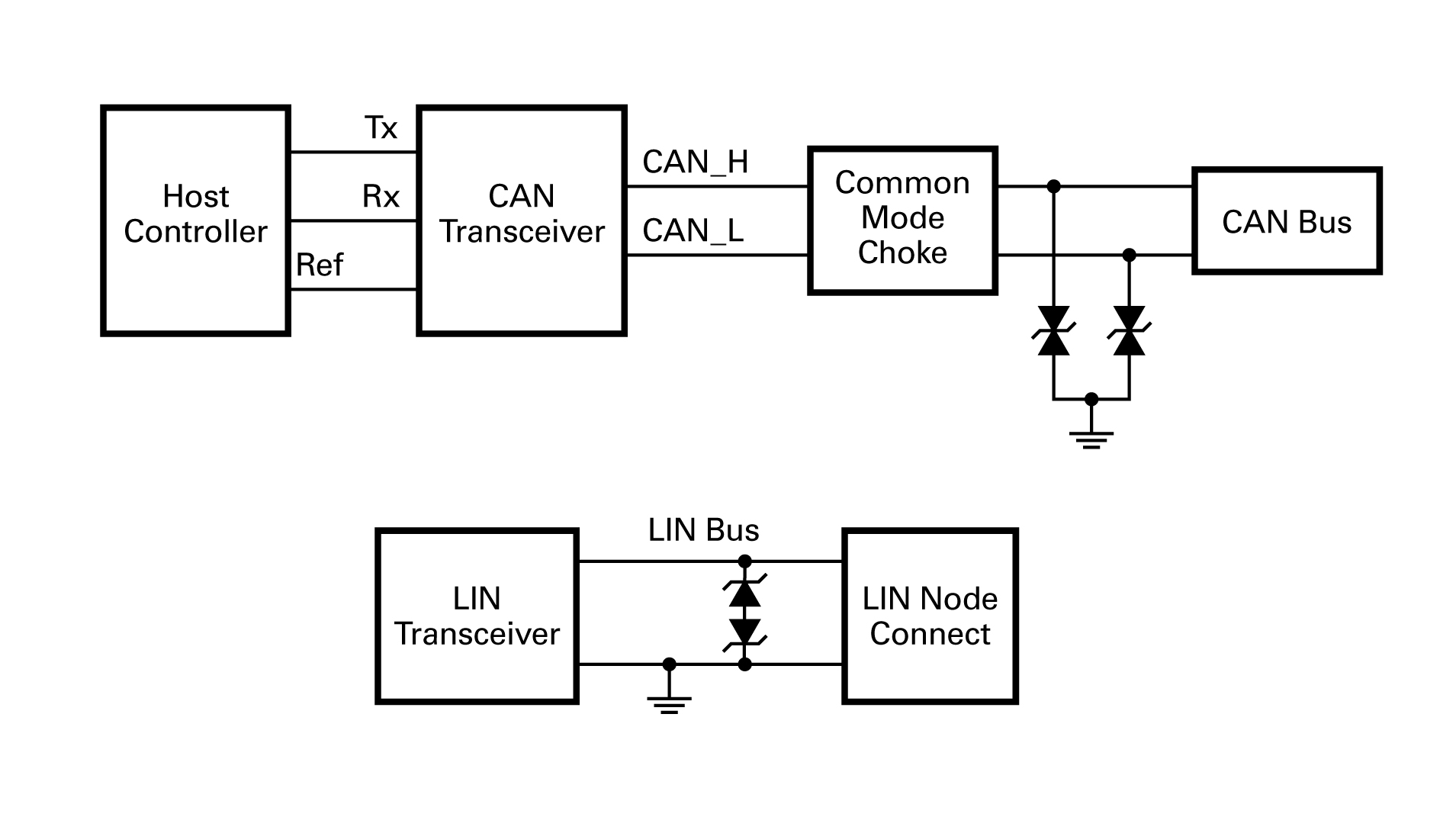 CAN和LIN公交車的保護方案圖解。
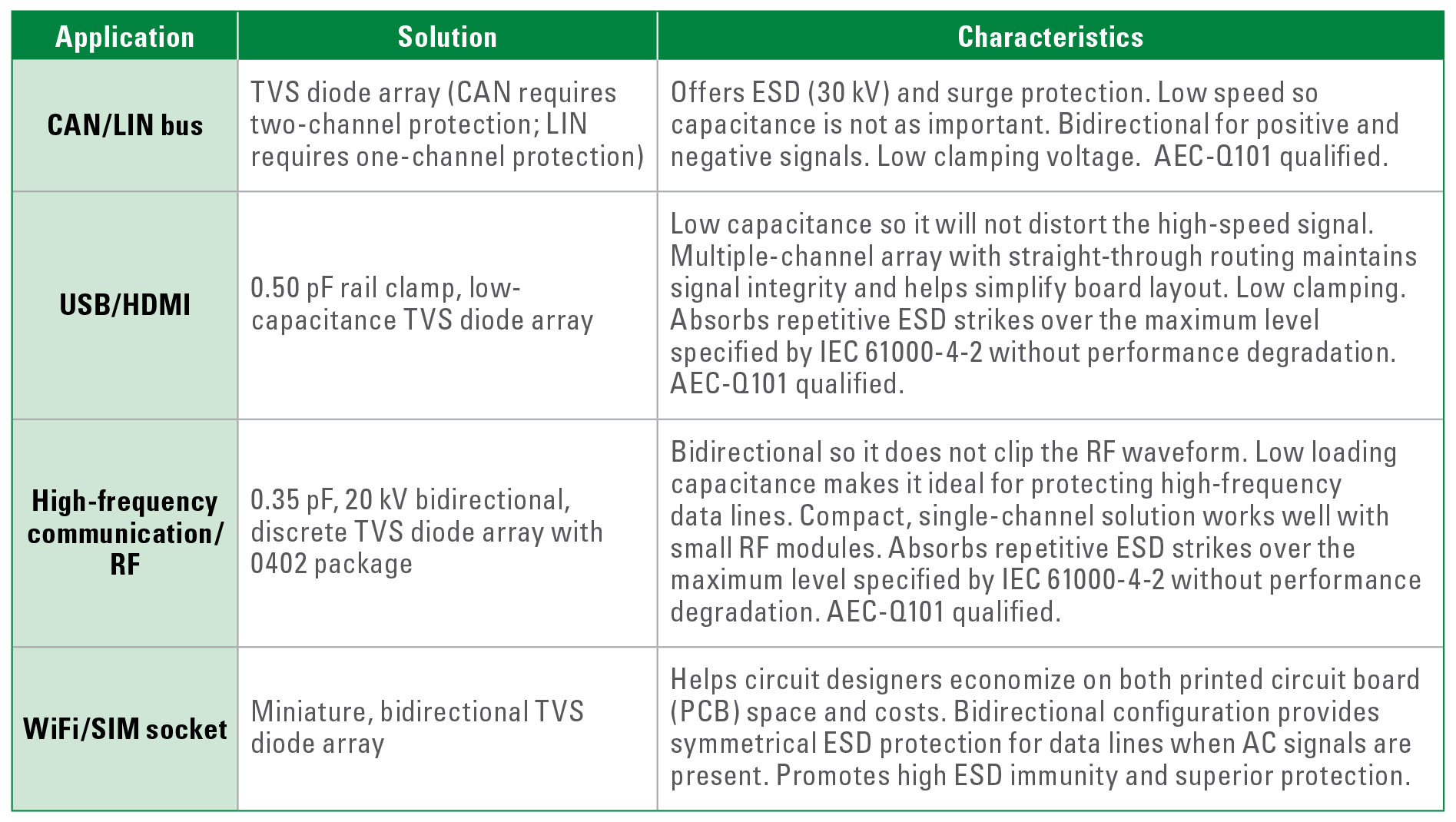 汽車電路保護方案的特點。
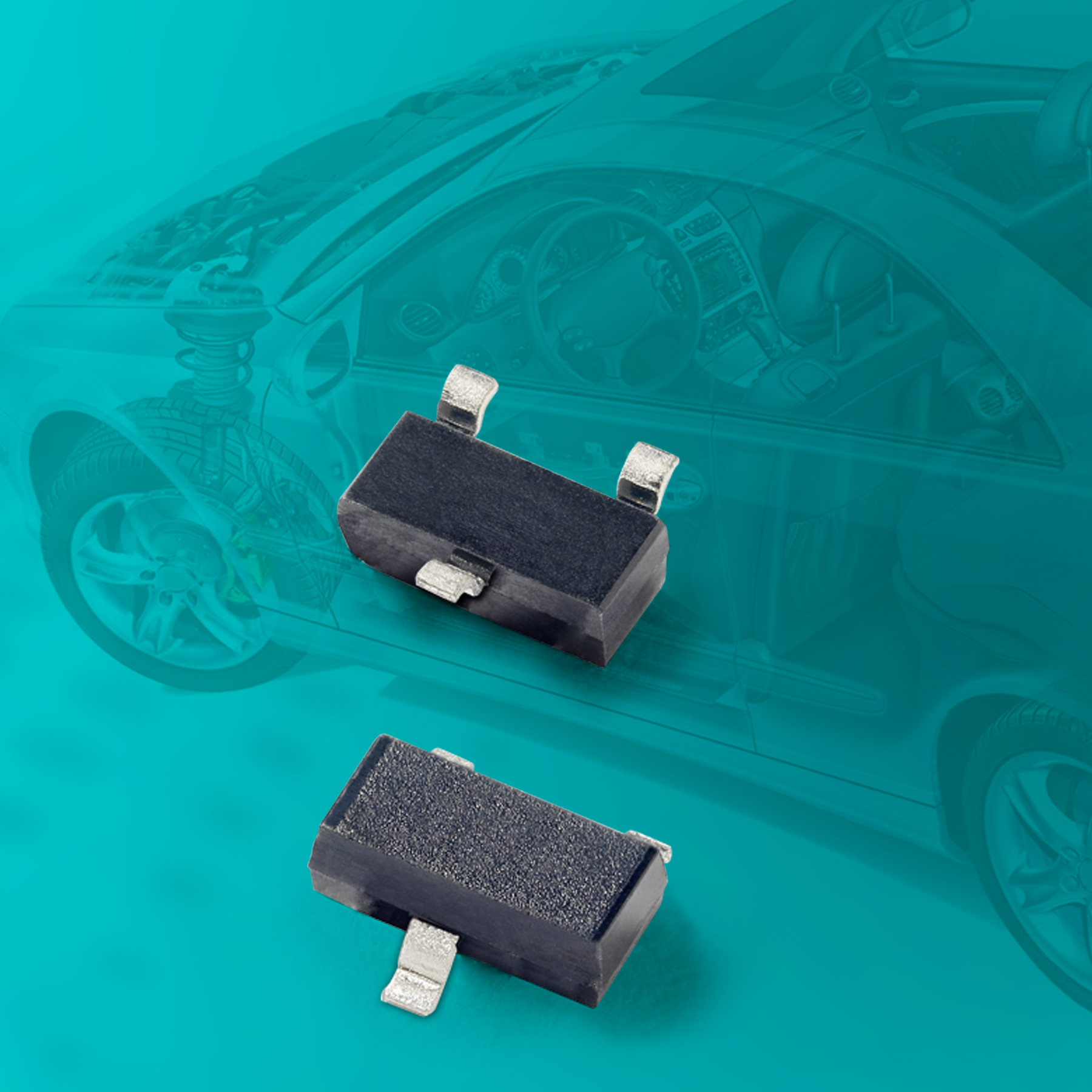 Littelfuse生產的該款SM24CANA TVS二極管陣列能夠保護CAN公交車。
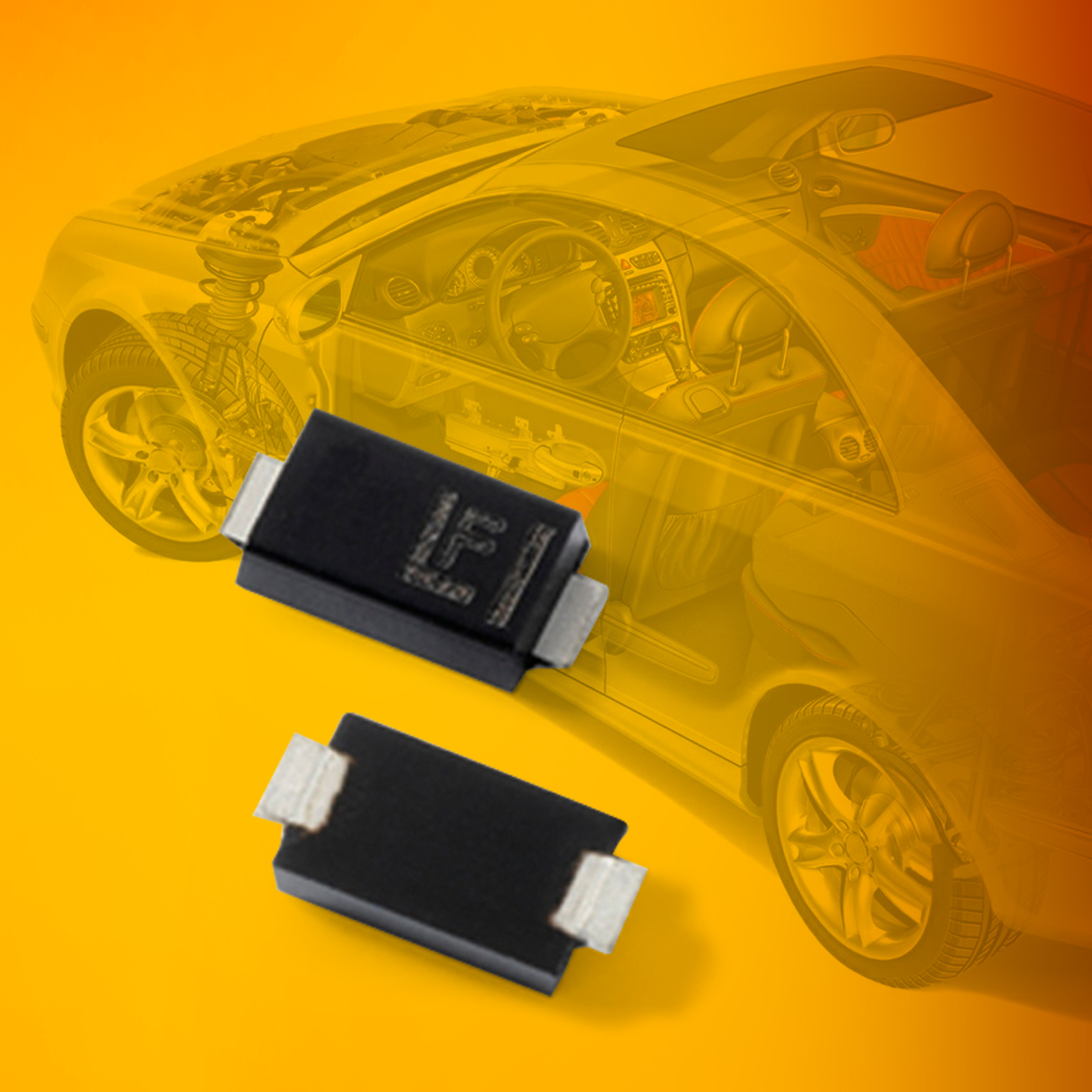 Littelfuse生產的該款TPSMA6L系列TVS二極管提供了小范圍需要的電氣性能。
 James Colby是Littelfuse有限公司的半導體業務發展經理,負責定位并開發戰略增長市場,以及將新產品推廣到這些市場。他擁有南伊利諾伊大學(Southern Illinois University)電氣工程理學士學位,和凱勒管理研究生院(Keller Graduate School of Management)的MBA學位。他在Littlefuse公司有15年以上的工作經驗,在電子設備行業有超過23年的從業經驗。