在手握方向盤的同時,觀察屏幕上像波浪般滾動的α和β腦電波圖形,這無疑是汽車研發中最奇特的景象之一。但這的確是捷豹路虎正在進行的一項研究——如何使用高度精細的技術手段,幫助消除駕駛員的疲勞和注意力分散對駕駛行為的負面影響。
“我們的研究項目名為‘頭腦感官研究’,最終目標是研發出一種系統,可以判斷駕駛員的精神是否集中,能否保持警覺和專注力,是否處于分心狀態等;這些都是通過對大腦狀態進行監測而得知的,”人因研究員兼項目主管Laura Millen博士表示。“我們不能要求駕駛員頭上頂著一個有傳感器的耳機,所以還要找到一種非侵入式方式,且能有效收集數據。”
而他們經過反復思考后,設計了這只世界上最與眾不同的方向盤。這個方向盤同時也是一個全新測試臺的一部分。Millen博士說:“我們使用方向盤背面上方的四個傳感器,對原型機的效果進行評估。”
α和β腦波的監測讀數,顯示在測試臺前方的一個大型屏幕上。需要強調的是,這只是研究裝置,絕對不會出現在成品車的平視顯示器上。
“大腦會持續不斷地產生四種或更多種類的腦電波,它們的速度和頻率各不相同。” Millen說,“盡管不同腦電波同時產生并相互交織的,但人在特定時段的的意識狀態是由當的支配頻段(即最強頻段)的腦電波決定的。在睡眠期間,大腦的支配頻段是慢速δ波。而在做白日夢時或將醒時分,支配頻段就變成了依舊很慢但比δ波略快的θ波。當大腦處于冷靜且集中的狀態時——比如當一個人正在閉眼放松時,支配腦電波就換成了比θ波更快的α波。”
為了測試駕駛員的注意力集中程度,研究人員讓他進行虛擬駕駛,在屏幕上顯示的是一條虛擬的蜿蜒道路,此時研究人員使用一個分析系統,為駕駛員的α和β腦電波“打分”,分數范圍為0-100分。
還有許多問題需要解決,其中包括如何警告駕駛員(可能是通過方向盤或踏板震動的方式)。在未來,該項目還將吸收神經學家參與。
捷豹路虎研發主管Wolfgang Epple表示:“即使駕駛員的眼睛盯著路面,但如果注意力不集中,或處于白日夢的狀態,也意味著他們并沒有專注在駕駛任務上。”
除了駕駛員的精神狀態外,研究人員還監控他們的身體健康狀態。捷豹路虎正在研發一種“健康座椅”,可通過監測心率和呼吸頻率來檢測駕駛員的緊張程度,以及是否存在嚴重的健康問題。在研究過程中,駕駛員的心率和呼吸頻率都會顯示在屏幕上。同樣,對駕駛員進行身體狀態提醒的方式仍有待進一步研究,而且不能與喚醒注意力的提醒方式相沖突。
在飛機駕駛艙和飛行甲板上使用的語音提示可能是一種選擇,但捷豹路虎的研究人員并未對此進行評論。
捷豹路虎的研發范圍非常廣泛,其中自然包括“自動駕駛汽車”。Epple表示,比起“無人駕駛汽車”這個感性的表述,捷豹路虎更喜歡“自動駕駛汽車”這個名稱。“我們希望能讓駕駛員在自主駕駛和自動駕駛之間自由選擇。這意味著我們最終研發出來的車輛可以按照駕駛員的要求進行自動駕駛,但它同時擁有一套智能系統,可以讓駕駛員更多參與駕駛過程,使車輛行駛更加安全。”
捷豹路虎的先進駕駛員輔助系統(ADAS)使自動駕駛成為可能,并使“真實”的駕駛體驗更加安全愉快。
ADAS的輔助功能包括主動巡航控制、車道保持、自動緊急剎車等系統,它們可以在無需駕駛員參與的情況下完成多點180°大轉彎。此外還有一個駕駛員離車自動駕駛系統可以勝任路虎Land Rover車型99%的非公路駕駛任務。這個系統可以讓駕駛員在車外也能控制陷入困境的車輛,使其緩慢前移,而這一切只需在智能手機上進行簡單的操作即可完成。記者在捷豹路虎的Gaydon研發中心以乘客的身份體驗了這項功能,他坐在車內,但身邊沒有駕駛員操縱車輛。車輛在一只前輪騰空的狀態下越過了一個攻角特別高的障礙物,這個過程非常有意思。
此外,該系統可以用于捷豹路虎的任何一款車型,可以幫助車主從擁擠的停車場中將車輛遠程提取出來。
Epple認為,該技術與遠程停車控制技術是相互關聯,共同演進的,它們將極大地提升公眾對自動駕駛汽車的信任度,更公眾容易接受這一新概念。Epple將這種技術稱為“車輛自動前進技術。”
他認為“一定程度的”自動駕駛技術將在2020年后不久進入市場,最初將用于中間有隔離帶的雙幅路,隨后逐漸用于更窄的道路,而捷豹路虎的全自動駕駛汽車將于2025年面世。
雷達、激光雷達(LIDAR)和立體攝像機將為自動技術提供支持。Epple表示,捷豹路虎要求“感知、運動規劃和導航/定位”這三種功能具備不同程度的認知能力。這意味著捷豹路虎汽車的自動駕駛功能不僅能在沒有路面警示標志的道路上使用,而且還適用于完全沒有道路基礎設施的情況,包括在沙漠中。
這個解決方案已經在捷豹路虎的自動駕駛汽車Solo Car上有所運用,并將降低成本的激光雷達傳感器(捷豹路虎的研發項目之一)和一系列全新的傳感器進行了有效結合。然而在研發新傳感器的同時,捷豹路虎也在努力加強現有傳感器的功能,公司內部將這一努力稱為“物盡其用”。
“運動規劃體現出車輛對以下信息的了解——車輛應隨時了解自身的位置、即將前往的目的地,以及如何到達目的地。”Epple解釋道,“導航/定位則反映了車輛在行駛中的導航能力,以及目前正行駛在整個路段的哪個部分。”
在駕駛過程接近尾聲的時候,駕駛主動權將交還給司機。此時車輛會檢查駕駛員是否清醒,注意力是否集中,這就是“頭腦感官技術”和“健康座椅技術”發揮作用的時候了。
正在研發中的其他駕駛員提醒系統還包括觸覺式油門踏板,當騎車人或行人接近汽車的時候,踏板會通過振動或加大扭矩的方式來提醒駕駛員。《汽車工程雜志》的編輯發現,踏板震動提醒很有效,但增大扭矩會令人不安。因為在一些特定情況下,加速就如同剎車一樣重要,而在緊要關頭卻需要駕駛員用更大的力氣才能踩動油門,這并不合理。
此外,捷豹路虎還在研發一種預測式觸覺設備,可以跟蹤車載信息娛樂系統屏幕前方的手部動作,來預測駕駛員將按下哪個按鈕。該技術可以將駕駛員“視線離開駕駛前方”的時間減少五分之一左右。在靜止狀態時的演示結果很有說服力,但當車輛行駛在顛簸路面上行駛——尤其是非公路駕駛工況下,駕駛員的肢體動作無法預測的時候,該系統的效果還需進一步驗證。
捷豹路虎的其他研發項目還包括汽車自我學習能力(公司聲稱這是一項“全球首創”的研發項目),該能力可以“了解”駕駛員上下班時最喜歡聽的廣播頻道,以及在什么時候座椅按摩,需要按摩力度需要多強。
盡管捷豹路虎的科技研發越來越全面,但并未打算讓車輛取代駕駛員。Epple笑稱:“車上坐的是駕駛員,不會變成貨物!”
作者:Stuart Birch
來源:SAE《汽車工程雜志》
JLR reveals some R&D secrets
Watching the alpha and beta waves of one’s brain undulating across a screen while gripping a steering wheel, is one of the more bizarre experiences of automotive R&D. But that is what JLR (Jaguar Land Rover) is putting its mind to as it delves deep into how to eliminate the effects of driver fatigue or inattention using highly subtle techniques.
“Our project is called Mind Sense and has the ultimate goal of developing a system to detect whether a driver is concentrating, alert and focused, or distracted; we are doing so by monitoring what is going on in the brain,” said Dr. Laura Millen, Human Factors Researcher and leader of the project. “We can’t expect drivers to put on a headset carrying sensors so part of our research project is to look for non-intrusive ways to collect the same data.”
The result is what is probably the world’s most extraordinary steering wheel, which forms part of a novel test rig: “We are evaluating a prototype with four sensors on the back of the upper part of the wheel’s rim.”
Readings are presented on a large screen (this is for research only and definitely not something that would appear on a production car’s head-up display!) ahead of the rig, indicating alpha and beta brainwaves.
"The brain continuously produces four or more distinct speeds or frequencies of brain waves," explained Millen. "Although these different brain waves are produced simultaneously and in combination, a person’s state of consciousness depends on the dominant (strongest) frequency band at each time. During sleep, the brain produces dominant slow delta waves. During daydreaming or in the twilight of sleep, the brain produces dominant theta waves that are slow but a bit faster than delta. When the brain is calm and mentally unfocused—for example, when a person relaxes with their eyes closed—the still faster alpha waves are dominant."
To test levels of concentration, the alpha and beta waves are “scored” by an analysis system on a zero to 100% scale as the rig driver watches a screen showing a virtual drive on a winding road.
There are many questions to be resolved, including how to warn a driver (possibly steering wheel or pedal vibration), and later the project will embrace inputs from neuroscientists.
JLR R&D Director, Dr. Wolfgang Epple, said: “Even if the driver’s eyes are on the road, a lack of concentration or a daydream will mean he or she isn’t paying attention to the driving task.”
Complementing this research into a driver’s mental state is the monitoring of his or her physical health. JLR is developing a “wellness seat” that can detect stress, or some serious health issues, via heart- and respiration-rate monitoring. For research, heartbeats and breathing rates appear on displays. Again, alerting methods that don’t conflict with other attention-getters need to be refined.
Voice alerts, such as those used in cockpits/flight decks for aircrew, would seem to be a possible solution, but JLR’s researchers did not comment on this option.
JLR’s R&D operation spreads very wide and not surprisingly covers the “autonomous car,” a phrase Epple said the company prefers to the emotive “driverless car”: “Our vision is to offer a choice of an engaged or autonomous drive. Ultimately, this means that a car could drive itself if the driver so chose, and have intelligent systems that can be adjusted for a more engaging, involved, and safer drive.”
The company’s Advanced Driver Assistance Systems (ADAS) will enable autonomous driving and make “real” driving safer and more enjoyable, he explained.
Supporting this, together with active cruise control, lane keeping, autonomous emergency braking and other systems will be the facility to make a multi-point 180° turnaround without driver input, and an autonomous, driver-out-of-car facility that could cope with 99% of a Land Rover product’s off-road capability. This would enable a driver tackling very difficult situations to inch forward a vehicle remotely by use of a mobile phone with simple controls. Experiencing this at JLR’s Gaydon R&D center as a Range Rover passenger with no driver aboard, progressing over an obstacle to a very high angle of attack with a front wheel in the air, proved interesting.
The system could also be used by any JLR product to remotely extract a car from a hemmed-in parking slot.
Epple believes such technology will prove a major aspect of public acceptance of autonomous vehicles because it will engender trust, much as park distance controls have done. They are all part of an integrated whole and an evolution of technologies that he defines as “autonomous progression.”
He sees “a degree” of autonomy entering the market soon after 2020 for use on dual-carriageways, followed progressively by lesser roads, and with a JLR fully autonomous vehicle a reality around 2025.
This development will be supported by radar, LIDAR, and stereo cameras. Epple stated that JLR required levels of cognitive ability in three components: perception, motion planning, and navigation/localization. This would give a JLR vehicle autonomous capability not only on roads without surface warning markers but also without roadside infrastructure including deserts.
Such a solution has been dubbed by JLR the Solo Car, able to take care of itself and incorporating reduced-cost LIDAR sensors (JLR has a program to achieve this) working with a range of new and different sensors. However, where possible JLR is extrapolating the capability of existing sensors, known within the company as “sweating the assets.”
“Motion planning describes the vehicle’s understanding of where it is at any given point, where it has to get to, and what it needs to achieve that,” explained Epple. “Navigation/localization describes the vehicle’s ability to navigate to the destination but also understand on which part of the journey it is currently traveling.”
In handing over to a driver at completion of what may be a lengthy autonomous journey phase, a vehicle could check that the driver is awake and paying attention, which is where Mind Sense and the Wellness Seat enter the equation.
Other R&D systems to support or alert the driver include haptic accelerator pedals that will vibrate or need added torque to operate, to get attention for such things as cyclists or pedestrians entering the car’s vicinity. This Automotive Engineeringeditor found the pedal vibration warning technique effective but added torque disconcerting; there are situations when accelerating can be as necessary as braking, and a throttle pedal requiring an extra shove in a looming potential emergency was unconvincing.
JLR has also developed a predictive touch prototype that tracks hand movements in front of an infotainment screen to predict which button a driver will press. This is to reduce “eyes out of cockpit” times by about a fifth. A static demonstration was convincing but a demonstration was required of the system in a car on a poor surface with the vehicle experiencing unpredictable body movements, particularly off road.
Other JLR programs include the self-learning car (claimed as a “world first”) that can “know” what radio stations are a driver’s favorite when driving to and from a workplace and what level of driving seat massage is required and when.
However, though JLR works towards ever more technologically comprehensive products, it has no plans to replace the driver, quipped Epple: “The occupants of our cars will not become cargo!”
Author: Stuart Birch
Source: SAE Automotive Engineering Magazine

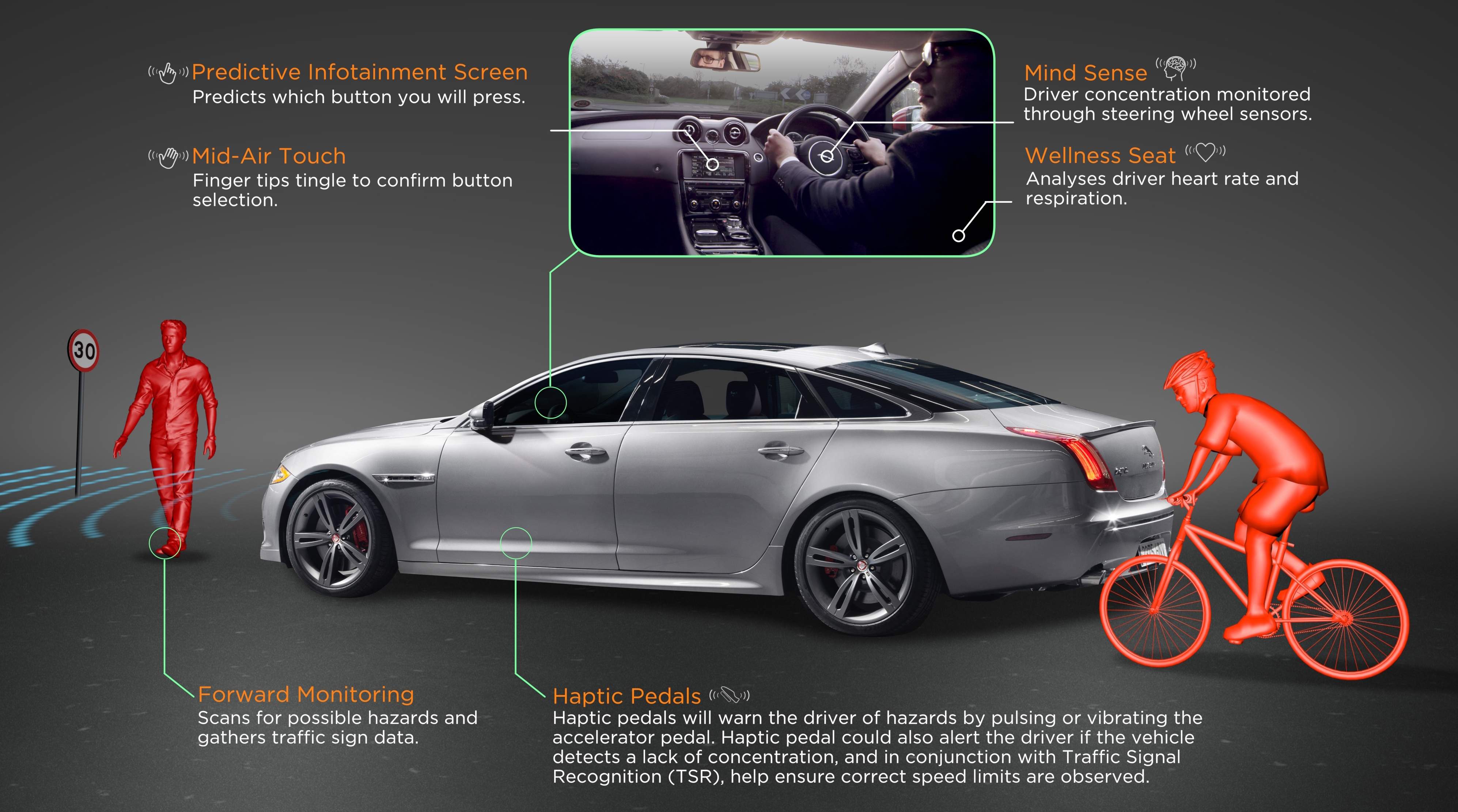 捷豹路虎近日揭曉了幾大研發項目的內容。
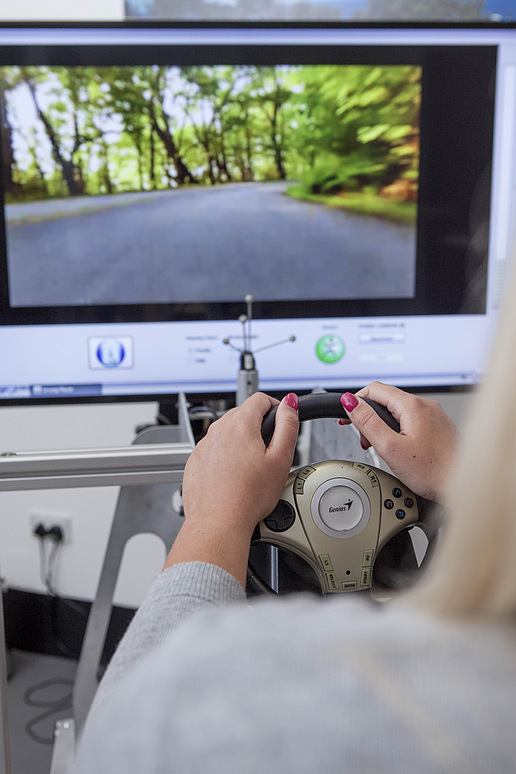 由Laura Millen帶領開展的捷豹路虎“頭腦感官技術”研發項目,可通過方向盤傳感器傳輸的腦電波信息監控駕駛員的注意力集中程度和警覺性狀態。
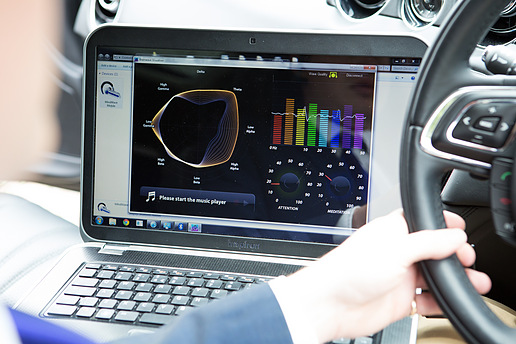 捷豹路虎正在研發駕駛員精神集中狀態與“健康狀態”監控系統。
 一個車輪騰空,車內沒有駕駛員——捷豹路虎正在研發非公路車輛遠程控制系統。
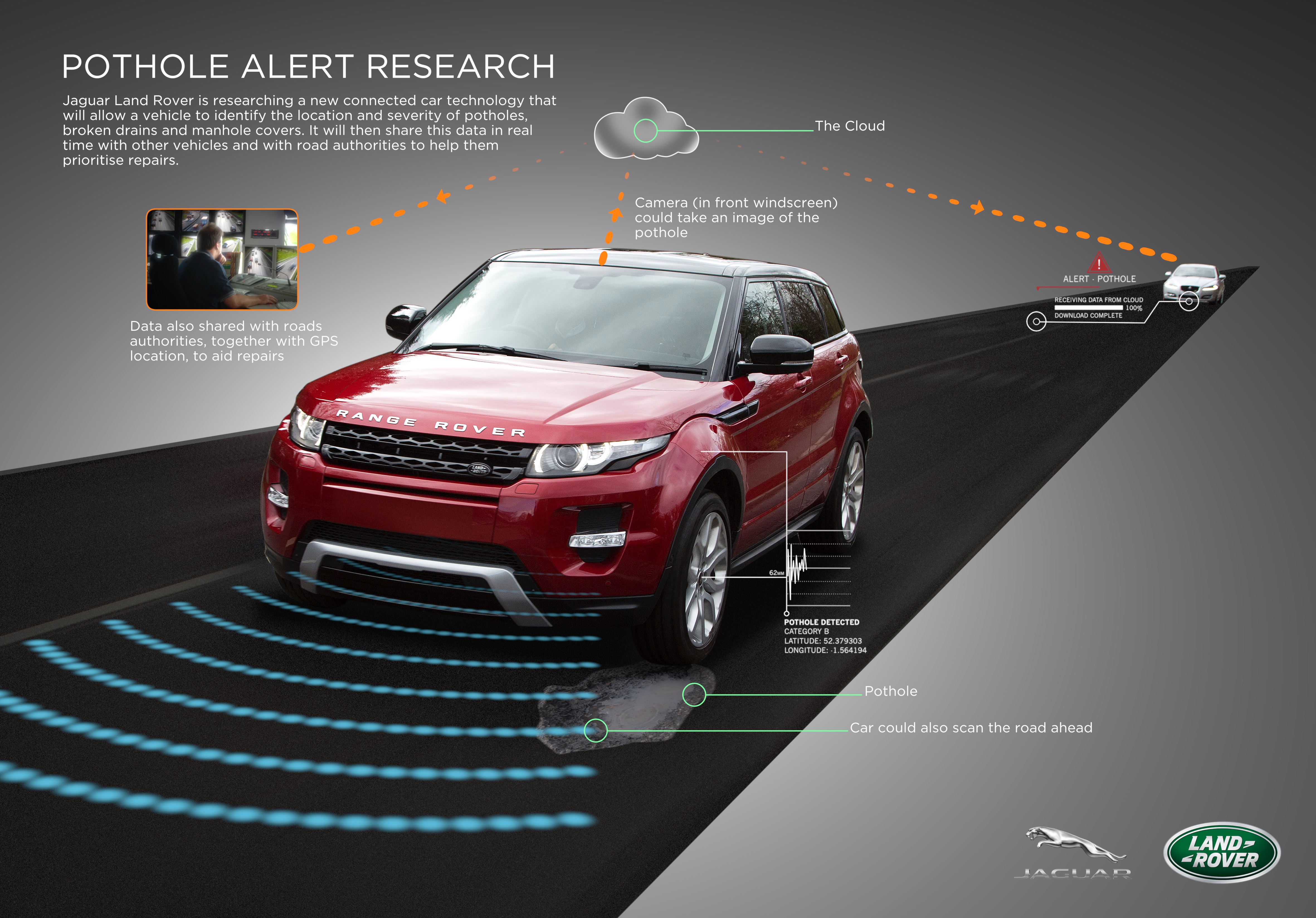 偵測路面的凹坑,并向其他駕駛員發送提醒信息——這是捷豹路虎的一個研發項目。
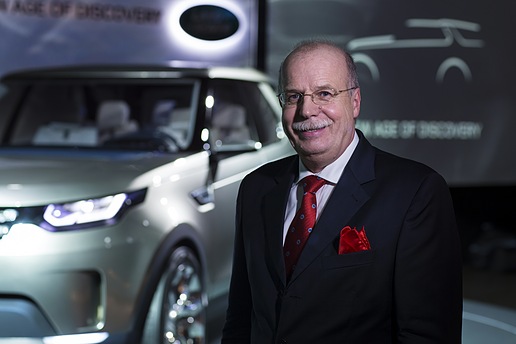 捷豹路虎的研發主管Wolfgang Epple博士認為,未來的自動駕駛汽車將會同時具備智能系統,可以調整駕駛員的主動參與度。
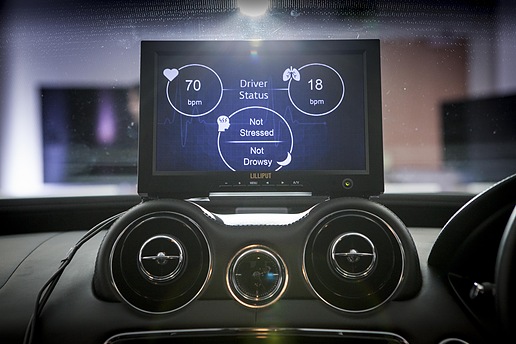 借助駕駛員的心率和呼吸頻率測試讀數,捷豹路虎正在研究駕駛員的壓力與可能存在的疾病對駕駛行為造成的影響。