2015 SAE全球年會的討論嘉賓認為,隨著互聯技術和自動駕駛技術變得越來越普及,未來的汽車行業可能將更關注于汽車共享,并從互聯服務中獲利。這意味著人機交互與商業模式都將發生改變。
互聯技術正在迅速地成為一項不可或缺的技術,因此汽車制造商必須想辦法從這個信息技術中獲利。“在未來的多模式世界中,已經與互聯網相連的消費者的需求究竟是什么?汽車應該如何幫助他們滿足這些需求?”這是2015 SAE世界大會的一個討論主題,在討論中,有兩位嘉賓認為互聯汽車共有四種創造收入的方法。
“可以把服務費用算在總車價里,也可以算在信息娛樂系統里,消費者可以購買某些功能。”思科系統的Andreas Mai表示。“我們都很熟悉按月支付的訂閱模式,還有很多人推崇按次支付,這就意味著,功能已經具備,用戶不使用就不用付錢。但我認為這種模式不是非常適合汽車制造商。”
他指出,成功的商業模式一定要非常靈活,足以容納上述所有方案。
P3北美公司的Mai和David Acton同樣認為,汽車共享將成為未來的主流,一旦車間通訊和自動駕駛成為主流,那么共享服務的收費將成為汽車銷售收入的一個重要部分。因為如果汽車無需人類駕駛員便能自動行駛,那么人們購買汽車的理由就變少了。進一步說,如果汽車共享成為流行,那么人機交互也必須發生改變,從而讓人們能夠迅速弄明白怎么操作隨機獲得的車輛。
“如果有企業想要推行汽車共享服務,那么必須要將人機交互做得非常直觀,這樣人們才能迅速上手,” Acton認為。“人機交互一直都是差異化競爭的重要元素,而它也將為汽車共享的實現起到關鍵作用。”
簡潔已成為人機交互設計的要點。很多購買者都不喜歡閱讀說明手冊,他們希望操作越簡單越好,最好不需要任何培訓。直觀的人機交互是汽車發展過程中的一個重要課題。
“汽車運作的原理,將不再是駕駛員必須掌握的知識,” Acton表示。
討論嘉賓都同意,汽車控制功能的布局和其他相關方面都應該標準化。這種統一的外觀與感覺將會成為一種新趨勢,代表著消費者對汽車看法的轉變。
“汽車行業必須意識到,我們的產品其實是日用品,只不過更加高端而已。”Mai表示。
Connectivity forces business model changes
As connectivity and eventually autonomous driving become more common, the auto industry may evolve to focus more on car sharing and gaining revenue from connected services. That will require changes in human-machine interfaces and business models, according to panelists at 2015 SAE World Congress.
Connectivity is rapidly becoming a necessity, which will force automakers to devise ways to collect revenue from this information technology service. There are four ways revenue can be derived from connected vehicles, according to two panelists during the “What are the Future Needs of a Connected Consumer in a Multimodal World and What can Automotive do to Help?” session.
“It can be put in the price of the vehicle, or it can be in the price of the infotainment system, where the customer buys certain capabilities,” said Andreas Mai of Cisco Systems. “We’re all familiar with a subscription model, where a monthly fee covers the services. There’s a lot of buzz about pay-per-use, where the capability is there, but users don’t pay for it until they use it; but I don’t see that model working well for vehicle makers.”
He noted that successful business models will probably have to be flexible enough to include all those options.
Mai and David Acton of P3 North America Inc. also predicted that car sharing will become more popular in the future, possibly becoming a solid percentage of auto sales once vehicle-to-vehicle communications and autonomous driving become more common. When vehicles drive themselves without requiring a human in the cabin, there’s less reason for people to buy cars. If car sharing becomes popular, HMIs will have to change so people can quickly figure out how to use the features on whatever vehicle they happen to get.
“If companies want to do car sharing, the HMI has to be intuitive so people can immediately operate any vehicle,” Acton said. “HMIs have been a differentiator; it will be a key enabler for car sharing.”
Simplicity is already becoming an important part of HMI design. Many buyers don’t want to read manuals. Instead, they expect controls to be simple enough that no training is needed. This trend towards intuitive HMIs is an important aspect in vehicle development.
“The tolerance level for not knowing how a vehicle works is very, very low,” Acton said.
The panelists agreed that layouts and other aspects of vehicle controls should move towards standardization. This trends towards a common look and feel is part of a major shift in consumers’ view of vehicles.
“The industry has to realize that our products are commodities, with some exception at the high end,” Mai said.
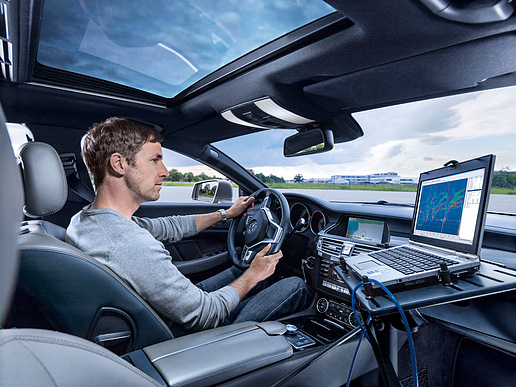 發展還在繼續,但最大的挑戰仍是如何使用最簡單的人機交互界面滿足用戶的需求。
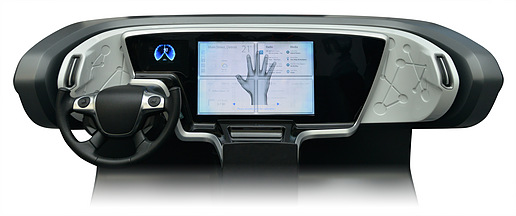 SAE全球年會的討論嘉賓普遍認為,人機交互將越來越標準化。