如果一個仿冒的電子部件被安裝在飛機、航天器或導彈等關鍵科技產品上,后果將不堪設想。這些設備或產品可能在需要運作時突然罷工,或在承受壓力時崩潰。而更換仿冒電子部件的成本也是相當高昂,在2011年11月舉辦的參議院武裝部隊委員會(SASC)聽證會上,美國導彈防御局針對美國國防部(DoD)供應鏈中的仿冒電子部件情況的報告中指出:更換THAAD導彈中疑似仿冒的存儲設備的成本為270萬美元。
2011年聽證會及相關立法所帶來的結果是,美國國防需要通過國防采辦規定委員會對仿冒電子部件進行明確定義,并對國防部采購合同的其他一些要求做出規定。國防部對仿冒電子部件的定義如下:“被人為故意貼上錯誤的標簽,給予錯誤的辨識信息的,非法或未經授權的復制品、替代品或變更品,或冒充原制造商生產的無更改的正品元器件產品,抑或冒充具備原制造商或當前設計機構(其中包括授權售后產品制造商)書面授權的無更改的電子部件正品。非法或未授權的替代行為包括:以舊充新,標注假冒的等級、序列號、批號、日期代碼或性能特征等。”
行業企業與政府相關部門在制定SAE國際標準AS5553《假冒/仿冒電子部件的規避、檢測、緩解與處置規定》時,提供了一個稍有不同的定義:“仿冒部件指那些被充當、認定或標記為正品部件的復制品、模仿品或替代品,以及由一個非法組織以誤導、欺騙或進行詐騙為目的而修改的產品。”
只需看一眼仿冒電子部件的生產方式,人們就會對其進入全球供應鏈這個現狀感到憂慮。傳統的電子部件是由穿戴防護服的工人在氣流、溫度與濕度均受到嚴格控制的凈室中,用高純度單晶硅錠制作而成的。
而仿冒電子部件卻不是用這樣的原材料“制造”的,其材料取自從電腦、智能手機和筆記本電腦等廢棄電子產品的線路板上拆除的電子部件。這些部件大多是在路邊用焊鐵從線路板上拆除,隨后在河水或雨水中進行清洗分揀,最后按買家要求重新制作。有時候仿冒件也具備合法的貨運標簽,但卻被放在棄置的工業卷筒上。
由于再造的標簽很容易用丙酮擦除,因此早期的仿冒電子部件很容易檢測出來。但隨著人們防偽意識的增強,現在仿冒標簽也升級到了可能需要物理測試才能分辨真偽的程度。
航空、航天與國防行業供應鏈的深度以及產品的使用年限要求,極有可能是仿冒電子部件進入供應鏈的原因。這三個行業的供應鏈很可能具有7-10個層級,而最低端的那些層級的供應商,根本不知道自己生產的產品會用于何處。
在2011年SASC的聽證會上列舉了幾個仿冒電子部件進入供應鏈的案例。在一個案例中,一些分包商從一個同時從事電子產品回收與分銷的公司中購買了晶體管。這些晶體管曾被當做電子廢物出售,但現在又堂而皇之地“穿上”了原廠包裝。
與那些使用一年就被換掉,或在新品上市后就可更換的手機和電腦不同,航空、航天與國防產品的設計壽命都很長。例如,B-52的預計服役壽命為90年,而自上世紀70年代末期開始服役的F-16根本沒有標明使用終止日期。而許多電子部件從研發到生產,再到低價銷售的周期可能僅為3年。當一個電子部件到達使用壽命(EOL)時,客戶會收到通知,并有機會再次購買。
航空航天和國防行業共有三個采購渠道:原始部件生產商(OCM)、授權經銷商(AD)或獨立經銷商(ID)。每種渠道都有各自的優勢與劣勢。OCM與AD可以提供生產商保修服務,但存貨可能有限,特別是在壽命終止許多年后,很可能沒有存貨。而ID可能具備大量存貨,但其保修服務并不完善。
將仿冒電子部件趕出供應鏈的方法包括以下幾種:進行立法、設立行業標準、發現仿冒電子部件時進行舉報、生產時貼上防偽標簽、公司在驗收對每一個部件進行測試、對員工進行培訓以避免采購仿冒部件、嚴守EOL期限并減少電子廢品的產生等等。2010年美國工業與安全商務部發布的一份文件中列舉了1300條行業與政府可以使用的具體措施。
上述方法都可被視為“目前的權宜之計”,那么未來有沒有可行的新方法呢?美國國防部很可能會對發現使用仿冒品的分包商采取商削減預算的懲罰措施,迫使分包商確保使用真實產品。美國國防高級研究計劃局將投資研發一種可以證明電子產品真實性的微小部件(尺寸約為100微米 x 100微米)。此外,國防部還將在所需電子部件的生產上更多地使用那些值得信任的廠家。最后,在修理維護時如果得出“無故障”的檢測結果,很可能會進行更仔細的檢查,因為這很可能是使用仿冒電子部件帶來的結果。
只有整個供應鏈上所有層級,包括最低層級的供應商和到主機廠、政府部門等最終用戶共同努力,才能杜絕仿冒電子部件進入供應鏈中。為達到這一目標,我們需要在生產工藝解決方案的改進、對使用仿冒電子部件行為的舉報給予積極回應、鼓勵舉報、減少獲取電子廢品的機會等方面做出更多努力。
本文由SAEInternational出版文章《仿冒電子部件及其對供應鏈造成的影響》的作者Kirsten M. Koepsel專為《航空航天工程》撰寫。Koepsel居住在華盛頓,為知識產權政策分析師。
Counterfeit electronic parts: Manufacture of and avoidance
If a counterfeit electronic part is installed in critical technology such as aircraft, spacecraft, or missiles, the consequences can be quite drastic. The equipment or the product could quit working or not work when needed or fail when put under stress. The cost to replace counterfeit electronic parts can be quite expensive as theMissile Defense Agency testified in November 2011 at the Senate Armed Services Committee (SASC) hearing on counterfeit electronic parts in the Department of Defense (DoD) supply chain: the cost to replace suspect counterfeit memory devices in the THAAD missiles was $2.7 million.
As a result of the 2011 hearing and related legislation, DoD through the Defense Acquisition Regulations Council was tasked to define what a counterfeit electronic part was along with other DoD contract requirements. DoD defines a counterfeit electronic part as: “An unlawful or unauthorized reproduction, substitution, or alteration that has been knowingly mismarked, misidentified, or otherwise misrepresented to be an authentic, unmodified electronic part from the original manufacturer, or a source with the express written authority of the original manufacturer or current design activity, including an authorized aftermarket manufacturer. Unlawful or unauthorized substitution includes used electronic parts represented as new, or the false identification of grade, serial number, lot number, date code, or performance characteristics.”
A slightly different definition was developed by industry and government participants during the drafting of the SAE International standard AS5553, Fraudulent/Counterfeit Electronic Parts; Avoidance, Detection, Mitigation, and Disposition: “A fraudulent part that has been confirmed to be a copy, imitation, or substitute that has been represented, identified, or marked as genuine, and/or altered by a source without legal right with intent to mislead, deceive, or defraud.”
A quick glance at how counterfeit electronic parts are manufactured leads one to be concerned about their entry into the global supply chain. Traditional electronic parts are manufactured from highly purified mono-crystalline silicon ingots in clean rooms with workers wearing “bunny suits” and controlled airflow, temperature, and humidity.
Counterfeit electronic parts are not “manufactured” from raw materials but from electronic parts removed from circuit boards found in discarded electronic waste (e-waste) such as recent model computers, smart phones, and laptops. The parts are removed from the circuit boards by using a soldering iron most likely on a sidewalk and subsequently cleaned in a river or rainwater before sorting and re-marking to the buyers' request. Sometimes the counterfeits will have legitimate shipping labels or placed on discarded industry reels.
Early counterfeit electronic parts were easily detected as the re-marking could be removed with an acetone wipe. As the awareness of counterfeits increased, the re-marking advanced to the stage where physical testing may now be required to tell the counterfeit electronic part from an authentic part.
The depth of the aviation, space and defense industries supply chains as well as the long life of the product most likely contribute to how counterfeit electronic parts can enter the supply chain. The supply chain of the three industries may be 7-10 tiers deep with the lowest tiers unaware of where their product will be used.
At the 2011 SASC hearing, several examples of how counterfeit electronic parts entered the supply chain were detailed. In one case, the subcontractors had purchased transistors from a company that was both an electronics recycling company and an electronics distributor. The transistors had previously been sold as e-scrap but appeared to be in their original packaging.
Aviation, spacecraft, and defense products are long-lived, unlike cell phones and computers that may be replaced every year or when the newest model comes out. The B-52, for example, has an expected service life of 90 years and the F-16, which has been flying since the late 1970’s, has no service termination date. Many electronic parts may have a life cycle of three years from introduction to production to low sales. When an electronic part reaches an end of life (EOL), customers will be notified so that they have an opportunity to make one last purchase.
The industries can purchase electronic parts from the original component manufacturer (OCM), an authorized distributor (AD), or an independent distributor (ID). Each of them have specific advantages and disadvantages. The OCM and AD will typically offer a manufacturers warranty but may have limited stock, particularly many years after the EOL. The ID may have large stocks but limited warranties.
Solutions to keeping counterfeit electronic parts out of the supply chain can include: legislation, industry standards, reporting of counterfeit electronic parts, authentication marking at the time of manufacturing, testing of every component received at a company, training of employees to avoid purchasing counterfeits, and reducing of e-waste by responsible EOL handling. A 2010 Department of CommerceBureau of Industry and Security publication ended up receiving over 1300 best practices that industry and government could use.
The above listed solutions could be considered “today’s solutions” but what future solutions can we envision? The DoD budget will most likely decline putting more pressure on contractors to ensure authentic parts are in their product. The Defense Advanced Research Projects Agency is investing in the development of small components (100 micron x 100 micron) that will authentic electronic components. DoD could increase the use of the trusted foundry to manufacture needed electronic parts. The “No Fault Found” aspect of repair and maintenance may need to be more fully examined as counterfeit electronic parts may be causing the problem.
Working to keep counterfeit electronic parts out of the supply chain will need all tiers of the supply chain, from the lowest tier to the end user such as a prime contractor or government agency or department to work together in crafting solutions, responding to reports and encouraging reporting of counterfeit electronic parts, and reducing access to electronic waste.
This article was written for Aerospace Engineering by Kirsten M. Koepsel, author of the SAE International book titled "Counterfeit Electronic Parts and Their Impact on Supply Chain." Koepsel is an Intellectual Property Policy Analyst based out of Washington, DC.
 B-52同溫層堡壘轟炸機,預計使用壽命為90年。
 B-52同溫層堡壘轟炸機,預計使用壽命為90年。
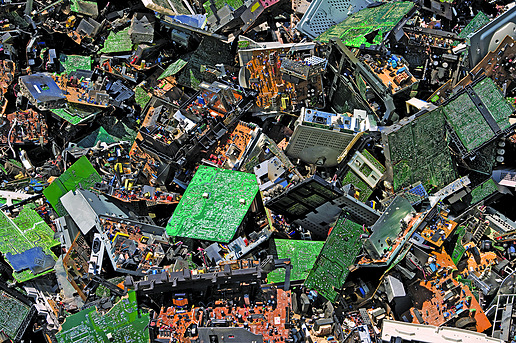 電路板在回收之后,經常成為仿冒電子部件的“生產原料”。
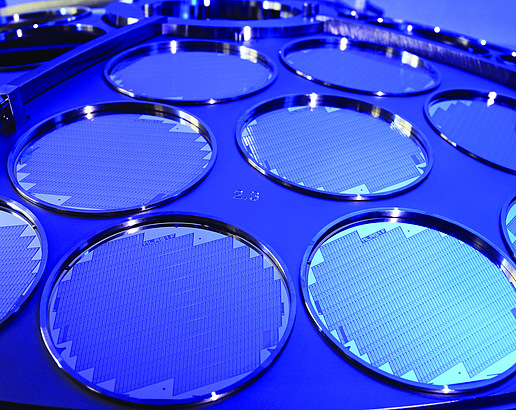 即將被鋸開的硅晶元。