摩丁制造公司(Modine)高管指出,與五年前內燃機汽車使用的技術相比,電動車熱管理系統已經有了長足的發展。
僅僅幾年前,電動車還很罕見,但如今,越來越多的人選擇它成為自己的日常座駕。根據國際能源署的年度《Global EV Outlook》,僅在2024年第一季度,電動乘用車的銷量就比2023年同期增長了25%左右。雖然乘用車市場的電動車普及率正在不斷提高,但非公路車輛市場的電氣化進程卻仍然滯后。
堅固耐用的非公路車輛通常承擔建筑和農業領域的重型作業,因此這些車輛工作負荷大且占空比高,導致其電氣化進程緩慢。除了采用更大容量的電池、牽引電機和無數相關部件之外,非公路車輛的電氣化還需要攻克大量難題,例如:滿足續航里程要求、克服惡劣的環境條件,以及安裝車隊正常運營所需的充電基礎設施等。而這些都會對產業鏈上下游各方造成影響。
憑借一個多世紀以來設計柴油和汽油發動機熱力系統的專業經驗,Modine在推動非公路車輛電氣化轉型方面處于行業前沿。該公司開發了在復雜、高可用性的重型車輛中去除或增加熱量的系統性解決方案,目前正根據以往積累的經驗打造滿足非公路車輛特殊需求的電動車熱管理系統。
從緊湊型叉車到大型工業起重機,各種非公路車輛都對空間設計有獨特的限制要求。由于非公路市場正處于電氣化的早期階段,需求尚未成熟,但正在逐漸增長。因此,許多車輛制造商和終端用戶選擇將改裝現有車輛作為開始電氣化的第一步。然而,對內燃機平臺進行電氣化改裝時需要兼顧創新與實用,這一點對電動車組件的有效散熱尤為重要,因為這些組件不再位于中央散熱器后面或底盤前部。
例如,在為博世力士樂(Bosch Rexroth)改裝的電動滑移轉向裝載機開發綜合熱管理系統時,Modine工程師不得不重新設計系統布局,以適應已經非常有限的平臺空間。為實現這一目標,研發團隊設計了一個分布式系統,以最大限度地提升車輛內熱管理組件的布局靈活性。
大型車輛的熱管理系統設計也有類似的問題,但情況更加特殊。Modine與工程機械制造巨頭小松(Komatsu)合作,將EVantage L-CON電池熱管理系統(BTMS)集成至一輛20噸的電動挖掘機中,以優化其性能、延長使用使命并減少停機時間。由于該挖掘機空間充足,研發團隊將BTMS集成至一個單箱單元中,顯示了散熱系統靈活性設計在非公路電動汽車中的價值。無論是微調還是全面定制設計,Modine熱管理系統都能夠適應任何尺寸的底盤,優化性能、延長使用壽命并提升效率。
不同類型和功能的非公路車輛需要定制電池系統,以滿足它們在預期用途和運行環境方面的獨特需求。所有電動車的鋰離子電池組都有一些組件需要高度依賴冷卻技術來減輕溫度波動的影響。不同于傳統內燃機(工作溫度范圍為85至215°C(185 至419°F)),電動車電池的工作溫度范圍僅為20至45°C(68至113°F)。為了確保電動車電池具備最佳的性能、效率和使用壽命,就必須對其進行預處理。這是熱管理中不可或缺的一環,適用于一切乘用車、商用車以及非公路機械等各種車輛。
電動車電池預處理是指將其加熱或冷卻至最佳溫度,以使其實現最佳性能。理想狀態下應在汽車充電時完成這一過程。以上述的小松電動挖掘機為例,這些車輛可以在大型建筑工地上進行長時間輪班運作并適應各種環境條件,但在項目期間通常無法在室內充電。
在室外過夜充電時,車輛電池有被低溫浸透的危險,除非車輛安裝了電池熱量管理系統,使電池組整夜保持最佳溫度,避免早上車輛啟動時性能受到影響。因此,施工負責人必須將電池預處理策略納入其部署時間表、車輛使用模式和運營計劃中,以確保車輛實現最佳整體性能。
相比之下,博世力士樂的滑移轉向裝載機可用于更小規模的日常施工項目中,而且可在一天結束后返回倉庫,在溫度較為理想的倉庫充電站內進行夜間充電。在這種情況下,無需廣泛采用預處理策略,就能使滑移轉向裝載機為第二天的工作做好準備。
不同于主要在鋪裝道路上行駛的傳統乘用車和商用車,電動非公路機械經常需要在各種崎嶇地形上工作。無論是建筑工地、農場還是礦山,這些車輛都必須能夠適應極端環境,且性能不得受到影響。因此,這些電動機械的熱管理系統也必須能夠經受遠超柏油路面的惡劣和臟亂環境的考驗。
Modine利用兩級系統設計了一款可置于底盤上任何位置的液冷冷凝器BTMS,并利用電子冷卻套件(ECP)將熱量散發到周圍的空氣中。ECP中的熱交換器可用于防止因空氣質量差或顆粒物含量高而引發的堵塞,這種情況在建筑工地等惡劣、臟亂的環境中經常出現。由于ECP和BTMS都是獨立的設備,因此可通過合理布局ECP在車上的位置,以最大程度減少灰塵侵入,并將BTMS放置在底盤上任意合適的位置上。
為確保熱管理系統設計能滿足非公路應用中的各種極端工作條件,Modine將每一臺熱管理系統整合至對應的非公路車輛平臺上,并在多種仿真環境中(風洞、氣候室、測試振動的顛簸跑道等)開展全速運行的測試。嚴格測試是必不可少的,因為熱管理系統與其他重要的實時車輛系統一樣,必須能夠承受惡劣的環境并保持正常運行。
A rarity only a few years ago, electric vehicles (EVs) are becoming part of the daily lives of constantly increasing numbers of drivers. In the first quarter of 2024 alone, passenger EV sales soared by about 25% compared to the same period in 2023, according to the IEA’s annual Global EV Outlook. While the passenger EV market charges ahead toward widespread adoption, the off-highway vehicle segment lags in electrification.
The burly and rugged workhorses that do the heavy lifting in construction and agriculture have been slower in embracing electrification due to their heavier workloads and duty cycles. In addition to larger batteries, traction motors and countless other components, the electrification of this class of vehicles also requires a steep learning curve, all of which impact stakeholders up and down the value chain. For example, navigating range requirements and harsh environmental conditions remain industry-wide challenges in electrifying off-highway machinery, as does installing the necessary infrastructure of chargers to keep the fleet running.
With over a century of expertise designing diesel and gasoline engine thermal systems, Modine now stands at the forefront of the transition to electricity as an off-highway vehicle fuel. Drawing on its experience in systematic approaches to either removing or adding heat in complex, high-availability, heavy-duty vehicles, Modine has been applying the lessons from its past challenges to build EV thermal management systems that cater to the unique needs of off-highway vehicles.
Right-sizing under design constraints
Vehicles ranging from compact forklifts to imposing industrial cranes have unique space constraints. Because the off-highway market is in the early days of electrification with nascent but growing demand, re-powering an existing vehicle has become an early play for vehicle manufacturers and end users to start the journey. However, re-powering an internal combustion engine (ICE) platform requires a delicate balance of innovation and practicality. This is particularly true when dealing with the challenge of reliably expelling the heat produced by EV components that no longer sit behind radiators centrally or at the front of the chassis.
For example, while developing a comprehensive thermal management system for an electric skid steer loader being electrified by Bosch Rexroth, Modine engineers had to reimagine the layout of the system to fit the confines of the already compact platform. To achieve this, the team designed a distributed system to maximize flexibility in placing thermal management components within the vehicle.
Working on larger vehicles presents a related yet unique set of challenges. Modine collaborated with industrial vehicle industry giant Komatsu to integrate the EVantage L-CON Battery Thermal Management System (BTMS) into a 20-ton electric excavator to optimize performance, extend longevity and reduce downtime. With ample space, the team integrated the BTMS into a single-box unit, underscoring the value of versatility in a thermal management system used in electric off-highway vehicles. From minor adaptations to fully customized designs, the ability to fit any chassis size ensures optimal performance, longevity and efficiency.
Preconditioning key to EV battery success
Off-highway vehicles, diverse in form and function, also require battery systems tailored to address the unique demands of each vehicle’s intended use and operating environment. Each EV lithium-ion battery pack has components highly dependent on cooling technology to mitigate the impact of temperature fluctuations. Unlike traditional ICE vehicles, where engine coolant temperatures can range from 85 to 215°C (185 to 419°F), EV batteries require a much narrower operating window of 20 to 45°C (68 to 113°F). To ensure optimal performance and maximize efficiency and longevity, EV battery preconditioning is a vital aspect of thermal management – and that holds true for everything from passenger cars to commercial vehicles to off-highway machines.
Preconditioning involves heating or cooling a vehicle’s battery to the optimal temperature so that it is ready for maximum operation, a process that is ideally done while the vehicle is connected to a charger. The Komatsu electric excavator, for example, can handle extended shifts and endure a variety of environmental conditions on a large construction site. However, these vehicles do not typically benefit from parking indoors during a project.
When left to charge outdoors overnight, the vehicle batteries risk becoming cold-soaked unless the vehicle is outfitted with a BTMS to keep the battery pack at optimal temperature through the night, avoiding compromised performance when the vehicle starts up in the morning. As such, construction managers must factor a preconditioning strategy into their deployment schedules, vehicle usage patterns and operational plans to ensure the vehicle’s overall success.
In comparison, the Bosch Rexroth skid steer loader might be deployed for more minor, day-to-day construction projects and returned to a depot at the end of the day. The machine can be plugged into a charging station in the depot warehouse, where the overnight temperature remains ideal for the battery. In this case, the skid loader requires a less extensive preconditioning strategy to ensure readiness for deployment the following day.
Adapting to rugged environments
Unlike conventional passenger and commercial vehicles primarily bound to paved roads, electric off-highway machinery must be ready to navigate a diverse range of rugged terrain. Whether on a construction site, farm or mine, these vehicles must endure extreme operating conditions – without compromising performance. In turn, the thermal management systems installed in these electric machines must withstand the harsh and dirty conditions beyond the tarmac.
By leveraging a two-stage system, Modine was able to design the liquid-cooled condenser BTMS to be placed anywhere on the chassis and use the Electronics Cooling Package (ECP) to reject heat to ambient air. The heat exchangers in the ECP are designed to resist clogging caused by poor air quality or high particulate levels, as found in harsh and dirty environments like a construction site. Since the ECP and BTMS are separated, the ECP can be strategically placed on the vehicle to minimize dirt intrusion, and the BTMS can be placed anywhere on the chassis for fit.
To ensure the thermal system design will meet the extreme conditions of off-highway applications, each thermal system is integrated into the corresponding off-highway vehicle platform and then run full-tilt in simulated environments from wind tunnels and climate chambers to the punishment of vibration testing on the rumble track. Rigorous testing must be standard practice. Like many other critical and real-time vehicle systems, thermal management systems must withstand harsh environments and remain operable.
Gina Maria Bonini, VP and general manager of advanced thermal systems for electric vehicles at Modine Manufacturing Company, wrote this article for SAE Media.

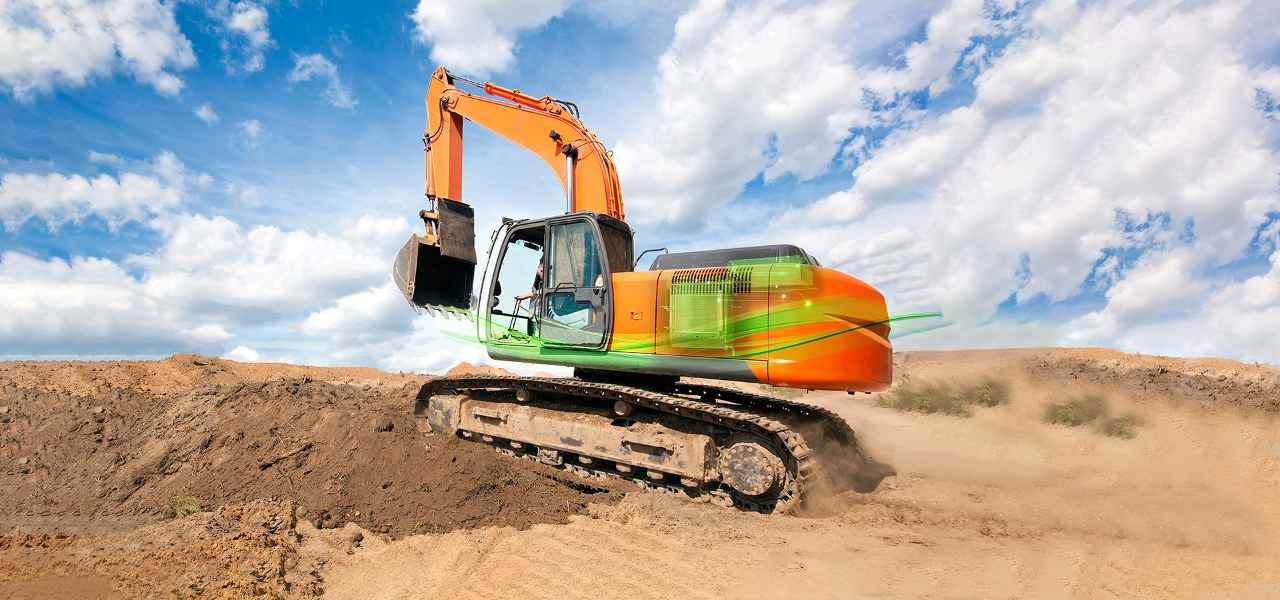 在為不同類型和功能的非公路電動車設計和布置熱管理組件時,必須注重靈活性。(Modine)
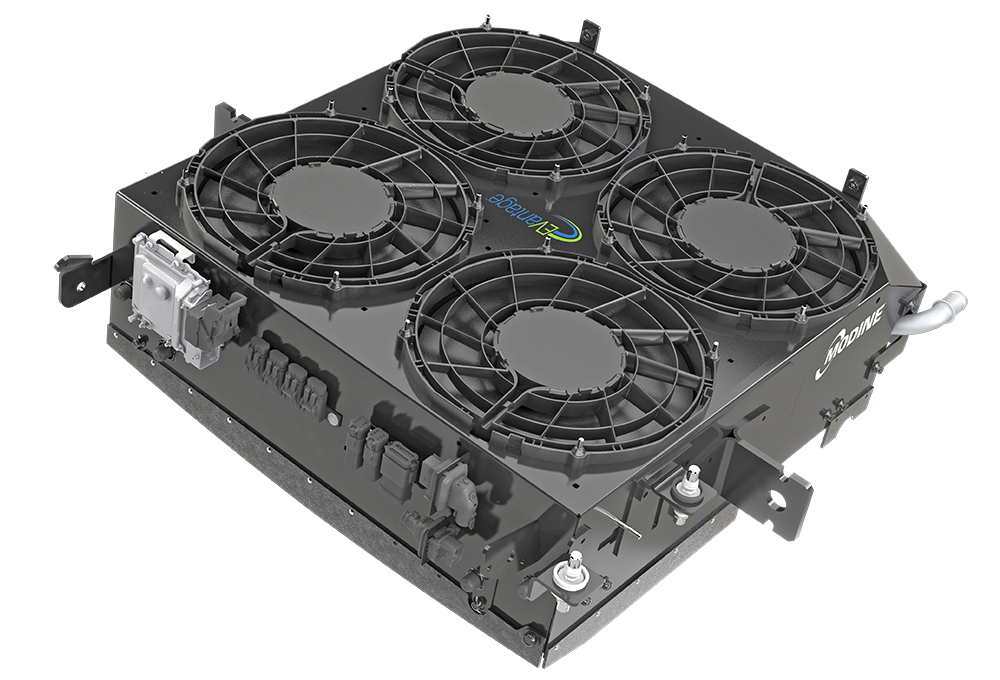 電子冷卻組件 (ECP) 中的熱交換器可防止因空氣質量差或微粒含量高而造成的堵塞。(Modine)
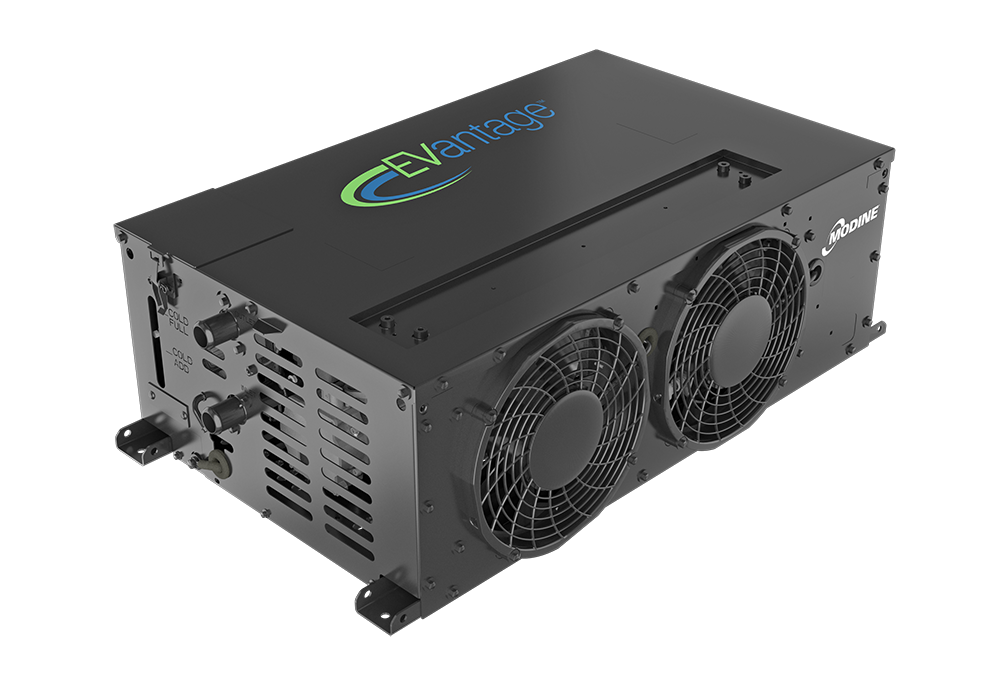 ECP和BTMS是分開的,因此ECP可以放置在車輛上,以最大限度地減少灰塵侵入,而 BTMS(如圖所示)則可以放置在底盤的任何位置。(Modine)
 本文由摩丁制造公司(Modine Manufacturing Company)電動車先進熱管理系統副總裁兼總經理Gina Maria Bonini為SAE媒體撰寫。