35年前,影迷們在電影《華爾街》中看到Michael Douglas站在海灘上,耳朵上戴著一塊看起來像磚頭的東西。1987年,無線移動通信主要局限于富裕階級,這類設備就和Douglas的手機一樣,又大又笨重,但僅提供語音服務。
快進到2022年,人們攜帶多臺具有能夠持續提供高速數據連接的設備已經非常普遍,包括智能手機、平板電腦和智能手表等。現在,大多數新車出廠時便自帶網聯功能。然而,與消費類電子產品往往每隔幾年更換一次不同,汽車通常可以使用20年或更長時間——這可能會給其連接性能帶來一定挑戰。
Douglas當時給他年輕門徒們打電話的模擬蜂窩網絡早已關閉,2G網絡也關閉了。運營商現在甚至已經開始關閉3G網絡,以重耕無線電頻譜,擴大5G覆蓋范圍。當模擬網絡在2007年關閉時,通用汽車公司沒有為早期使用OnStar遠程通信的客戶提供升級路徑。幾年后,當2G開始衰落時,日產為第一代Leaf電動車的車主提供了升級服務。當時,受影響的客戶數量很小,以至于大多數OEM都認為進行升級在經濟上是不可行的。
隨著網聯汽車的數量穩步增加,現在情況已經大不相同了,越來越多的用戶已經開始訂閱使用遠程通信服務。插電式車輛數量的不斷增加使得互聯通信比過去更加重要;這對于管理、監控電池充電和預處理至關重要。所以,這一次大多數汽車制造商已經為大批量的車型開發了升級方案。
例如,斯巴魯和特斯拉正在為其品牌車輛進行4G LTE無線通信模塊的升級。奧迪等部分公司,已經與Mojio等公司合作開發了一個系統,該系統通過車載診斷(OBD)端口連接,并與車載軟件集成以維護先前提供的服務。但是通常情況下,這些升級需要花費消費者數百美元,這些導致用戶對這一功能升級的積極性并不是很高。
許多OEM寄希望于通過提供網聯服務,提出了未來十年將收入翻一番的目標。因此,為了確保車輛在其使用全生命周期內,或者大部分時間內都能保持其互聯通信功能的可用性,比以往任何時候都要重要。OTA軟件升級是網聯化的另一個關鍵驅動因素,使車輛能夠實現啟用新功能,并進行安全修復。在中國的許多車輛已經配備了5G網絡功能,在接下來的幾個月里,新的寶馬iX將是第一個在北美配備5G連接的車型,奧迪最近宣布將在2024年的車輛上推出5G。
隨著3G通信技術的過時,對于OEM來說,他們已經不能再使用過去傳統的升級模式。不幸的是,能應于車輛通信的軟件無線電(Software-defined Radio)還沒有達到成熟的水平,這意味著在汽車的全生命周期內必須要更換一次硬件。我們才剛剛用上5G網絡,但工程師們已經在著手開發6G了。設計一輛可以簡單替換數據調制解調器的汽車應該是每個工程師團隊未來的首要任務。
It’s been 35 years since moviegoers saw Michael Douglas standing on a beach, holding what looked like a brick to his ear, in the film Wall Street. In 1987, wireless mobile communication was mostly limited to affluent customers. The hardware, like Douglas’s phone, was large and clunky. Service was limited to voice mode.
Fast-forward to 2022 and it’s not uncommon for people to carry multiple devices with continuous high-speed data connectivity, including a smartphone, tablet and watch. And most new vehicles now come from the factory with connectivity. However, unlike consumer electronics that tend to be replaced every few years, vehicles can often last two decades or more – and that can pose a problem for connectivity.
The analog cellular network that enabled Douglas to call his young protege has long since been shut down, as have the 2G digital networks. Carriers now have started switching off 3G to repurpose the radio spectrum to expand 5G coverage. When the analog network was turned off in 2007, General Motors had no upgrade path available for customers with early OnStar telematics. Several years later, when 2G started to fade, Nissan offered upgrades to owners of first-generation Leaf EVs. At the time, the number of affected customers was small enough that most OEMs didn’t find it economically viable to engineer an upgrade.
With the number of connected vehicles increasing steadily and more customers now actually subscribing to telematics services, the situation now is quite different. The growing number of plug-in vehicles makes connectivity even more important than in the past; it’s critical for managing and monitoring battery charging and preconditioning. Most automakers this time have developed upgrade solutions for at least higher-volume models.
For example, Subaru and Tesla are replacing communication modules in their vehicles with those that have a 4G LTE radio. Others, such as Audi, have partnered with companies like Mojio for a system that connects via the onboard diagnostics (OBD) port and integrates with the in-vehicle software to maintain the services previously provided. In most cases, these upgrades are costing customers several hundred dollars – and many are likely to think twice before committing.
With many OEMs aiming to double revenues in the next decade, mostly thanks to connected services, it’s more important than ever to ensure a vehicle can retain its connectivity for most, if not all, of its useful life. Over-the-air (OTA) software updates are another key driver for connectivity to enable both new features and security fixes. Numerous vehicles in China already are equipped with 5G connectivity. In the next few months, the new BMW iX will be the first to have it in North America. And Audi recently announcing it will launch 5G on 2024 model year vehicles.
With three generations of wireless communications technology now obsolete, it’s past time for OEMS to make sure they design in an easy upgrade path. Unfortunately, software-defined radios haven’t yet reached a level of maturity to make them viable for vehicle connectivity. That means hardware will need to be changed, probably at least once in a vehicle’s life. 5G is just arriving, but engineers are well along in development of 6G. Designing vehicles for an easy data-modem swap should be a top priority for every vehicle engineering team going forward.
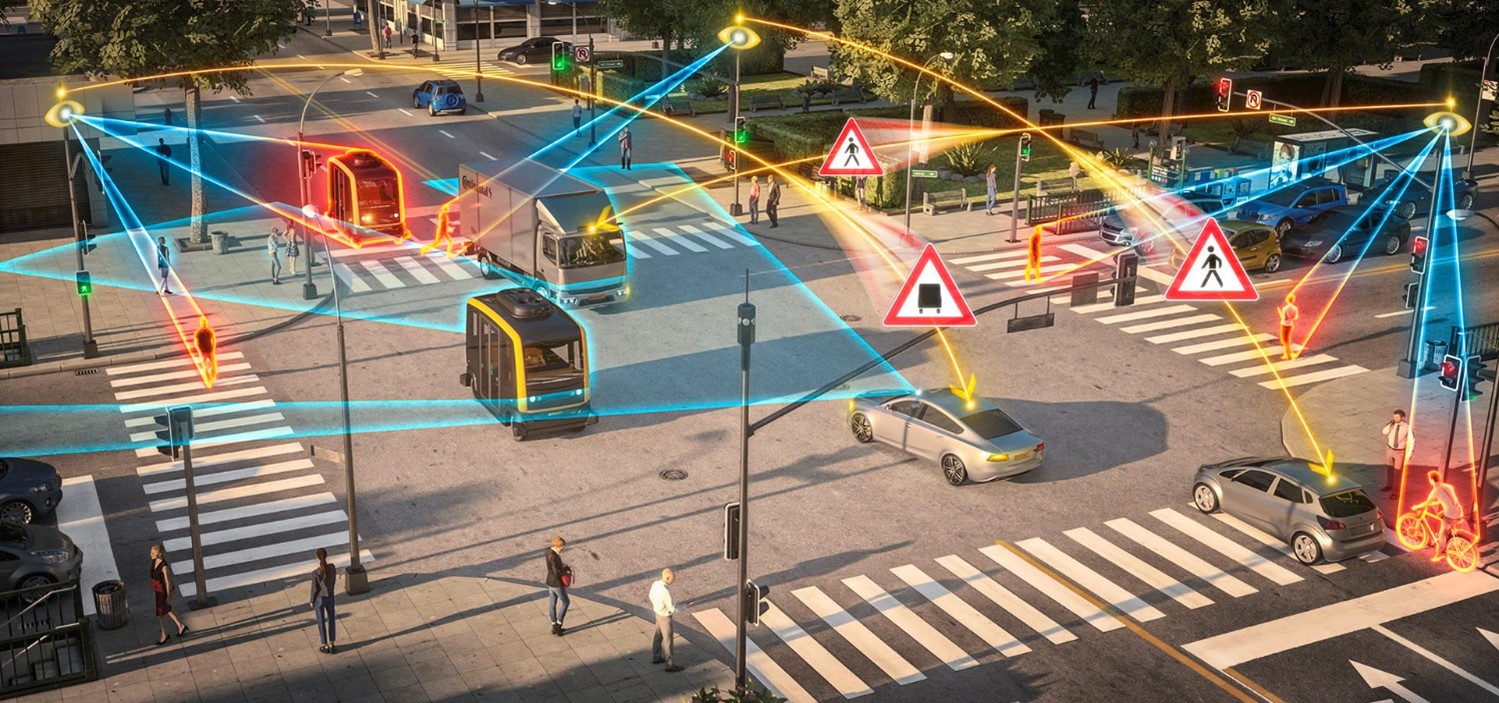 隨著插電式汽車數量的不斷增加,網聯化對于管理、監控電池充電和預處理變得越來越重要。(圖片來源:Continental)