增強現實技術(AR)、混合現實技術(MR)與虛擬現實技術(VR)無處不在。在過去12個月至18個月中,與AR、MR以及VR相關的新設備與新應用大量涌現。而包括蘋果、谷歌、微軟、索尼、三星、HTC、Facebook、惠普等公司在內的所有科技巨頭,也都將目光轉向了AR、MR與VR市場。
雖然這些新興技術是由游戲與社交媒體巨頭所開發的,但它們最終都會不可避免地進入工程業與制造業中,其中包括商用車、卡車以及非公路車輛等行業。
那么,將這些讓你能夠在虛擬環境中進行賽車、射擊外星人,或是捕捉口袋精靈的技術應用于卡車、工程機械以及非公路用車或防務車輛的設計與建造中,會帶來怎樣的影響?
VR技術應用于工程與制造領域已經有了相當一段時間了。CAVE系統以及Powerwall系統也已經投入使用達數十年之久。不過,在VR技術尚未普及之前,行業中只有少部分“擁有特權”的企業(主要是汽車與航空航天OEM)才能使用這些造價驚人的數據可視化系統。
AR、MR或VR技術在商用車、卡車與非公路用車工程制造中的應用仍處于早期階段。大部分相關企業仍在探索采用AR、MR或VR設備的原因與必要性,以及這些設備在工程制造中的具體應用。不過,一旦它們深入了解了這些技術,就會看到它們在復雜產品與大規模生產中的顯著優勢。
游戲圖形引擎在工程數據處理中的應用
一款游戲能否成功,很大程度上取決于游戲的3D畫質如何。如果畫質不高,那么玩家就體驗不到游戲的真實性,游戲外觀與質量都會大打折扣。游戲開發者利用圖形引擎與一些包括動作捕捉技術在內的附加技術,可以設計出鮮明的畫面,從而提升游戲的互動式與沉浸式體驗。從游戲圖形較高的質量與性能來看,游戲圖形引擎完全能夠勝任CAD數據的處理工作。
圖形引擎性能的提高以及AR/MR與VR頭盔成本的下降,使得CAVE或Powerwall等系統的價格從原先的數十萬美元,甚至數百萬美元,下降到了數萬美元。
三十多年來,許多汽車公司都選擇了采用3D CAD繪圖軟件進行汽車設計。如今,利用低成本、高性能的AR、MR與VR設備來顯示CAD數據也已經成為了可能。
沉浸式體驗在設計與生產中的應用
汽車工程師們如今都選擇采用沉浸式AR、MR與VR體驗平臺以及AR、MR與VR設備來進行汽車設計與制造。
在汽車工程領域,VR技術可應用于汽車設計的虛擬審查、原型制作、搭建與組裝,以及維修與培訓中。有了VR技術的幫助,工程師們可以在虛擬現實環境中與他們的可視化設計數據進行互動,而不必花費額外的人力物力去制造大量的汽車實物模型。而當該模型所對應的是一輛40噸重的卡車時,采用VR技術的好處就更加顯而易見了。此外,在模擬辦公室、工廠或是露天環境的數字化場景(即虛擬現實的工作環境)中,工程師們還可以看到所有的原始設計數據。
相較于擁有30年發展歷史的VR技術,AR技術與MR技術這兩大“新興”技術能夠給使用者帶來全新的視覺體驗。因此我們日常使用的便攜式設備,如筆記本電腦、智能手機或免提耳機以及頭戴式顯示器,都配備了AR與MR功能。
由于AR技術是一種在現實中疊加3D內容的技術,因而AR場景中的3D數據相當于現實物體所對應的數字孿生體。這些3D數據不但能夠幫助維修人員更好地修理構造復雜的工廠與機械裝置,而且還能夠減少人員培訓的開支。總之,AR技術通過將3D內容展現在真實的工廠環境中,來幫助工程師們評估整個汽車制造工藝流程、工廠培訓以及服務工作的開展情況。
MR技術與AR技術類似,也是一種在現實中疊加數字內容的技術。不過,與AR技術不同的是,通過MR頭罩所生成的MR內容,會以實時全息圖的形式出現在現實世界中。因此,工程師可以在全息圖中四處走動,也可以坐在里面,就仿佛置身于一個實體中一樣。而這一切并非發生在數字化世界,它們就發生在現實的辦公室、工廠或是測試工廠中。
在現實世界的環境中,工程師能夠以自然直觀的方式解讀MR內容,因而也能更好地理解產品數據,并迅速確定產品規格尺寸與裝配關系。有了該技術,工程師就能夠在實體部件或工廠正式建成前進行修改,若在建成后才修改錯誤,變更成本將非常高昂。
數字化數據在真實環境中的顯示
工程師們只需將CAD設計數據導入游戲圖形引擎中,就可以通過裝有AR、MR或VR功能的智能手機、平板電腦或耳機直接瀏覽這些設計數據,并在產品運作的現實世界中體驗產品。
采用了AR、MR或VR技術后,工程師們能夠在一個近乎“真實”的環境中,與自己的設計數據進行互動,并對產品設計早期階段的數據進行修改,這既節省了時間,也節約了成本。
低價智能手機、平板電腦與耳機的日漸普及,意味著用戶不用購買CAVE及Powerwall VR顯示系統也能享受到AR、MR與VR體驗。
雖然AR、MR與VR硬件與軟件仍處在發展的早期階段,但敢于接受這些新理念的工程與制造公司更有望保持行業領先地位。新技術能夠為許多的傳統工藝提供新思路,幫助工廠更好地完成生產任務。
Augmented, mixed and virtual reality (AR, MR and VR) are everywhere. Over the past 12-18 months the number of new devices and apps being released has risen significantly and all of the big tech players like Apple, Google, Microsoft, Sony, Samsung, HTC, Facebook and HP (among others) are getting in on the action.
Although these new technologies have been developed by the gaming and social media giants, it was inevitable that the technology would eventually work its way into the engineering and manufacturing world, including the commercial vehicle, truck and off-highway industries.
So how does using technology that usually lets you race cars, shoot aliens and capture Pokémon characters translate into designing and building trucks, construction machinery and off-highway or defense vehicles?
The use of VR in the engineering and manufacturing space is nothing new, with CAVEs and Powerwalls having been used for decades. However, it has always had an enormous price tag and only a few are in the “privileged” position (mainly large automotive and aerospace OEMs) to be fully able to utilize the technology for visualization—until now.
Using AR, MR or VR technology in commercial, truck and off-highway engineering and manufacturing is still very much in its infancy. Most organizations are just starting to figure out if, and why, they need these new devices and how they can potentially harness the technology. Once the technology is understood, the benefits of using it in an industry where the products are complex and the production is large scale, are obvious.
Gaming graphics for engineering data
Gaming relies on the quality of its 3D graphics—without good graphics, games look and feel unrealistic, and lack quality. The use of graphics engines, along with additional technology such as motion capture, allows gaming developers to create incredibly sharp graphics that feed such interactive and immersive experiences. Gaming graphics’ quality and performance are more than capable of handling the complex needs of CAD data.
These high-performance graphics engines, combined with low-cost AR/MR and VR headsets, have resulted in a price point of tens of thousands, rather than the hundreds of thousands, or millions of dollars for the CAVE or Powerwall.
With 3D CAD having been in use for 30 years by many companies in the automotive industry, the CAD assets that have been created can now be used by these new low-cost and high-performance devices.
Immersive experiences for design and production
Immersive experience platforms such as augmented, mixed and virtual reality, and the devices that deliver them, are being adopted by engineers to help with design and production.
For engineering, VR on the new devices can support: virtual design reviews, prototyping, building, assembly, service and training use-cases. It enables engineers to visualize and interact with their data in a far more realistic environment, without having to spend time and money on producing numerous physical models—and when the model is a 40-tonne truck, the benefit of not having to repeatedly create physical models is clear to see. The original data can be seen in the context of a digital scene representing the office, factory or open-air environment—a virtual reality work environment.
In comparison to VR’s established 30-year history, the “newer” AR and MR technologies offer totally new visual experiences, on portable “everyday” devices such as tablets and smartphones, or hands-free headsets and head-mounted displays.
Using AR—where the digital 3D content is overlaid onto the real world—means your 3D data can be used for Digital Twin applications, to aid maintenance personnel to repair complex plant and machinery, and train personnel at much lower cost. AR allows engineers to assess processes by overlaying 3D content in the factory environment and evaluate training and serviceability practices in situ.
MR is similar to AR in that it is an overlay of digital content onto the real world, but the MR content appears in the form of a hologram which sits in the real world, in real time, through a headset. Being a hologram, an engineer can walk around it and sit inside it just like a physical product, and this is done not in a digital world but rather in an office, factory or test facility.
Being in the real world means it is far more intuitive and natural, which improves understanding and enables decisions about form and fit to be quickly made. Changes can be made before any physical parts or plant is built, when mistakes are expensive to rectify.
Digital data, real environment
Passing CAD design data through a gaming graphics engine and then viewing it in an AR, MR or VR experience on a smartphone, tablet or headset, enables engineers to experience their products in the environments they design for and work in.
Using AR, MR or VR provides engineers with optimized capabilities on how best to use and interact with their design data in a close to “real” environment, while products are still in the early design stage, saving time and costs.
The growing accessibility of low-cost smartphones, tablets and headsets means that augmented, mixed and virtual reality technologies are no longer only available to those with VR CAVEs and Powerwalls.
Whilst it is still early days with the new hardware and software, undertaking proof of concepts now will enable engineering and manufacturing organizations to be ahead of the game. Many existing processes can harness the new technology, enabling new ways of performing established tasks.
Stuart Thurlby, CEO of Theorem Solutions, wrote this article for Truck & Off-Highway Engineering as part of our annual Executive Viewpoints series.
Author: Stuart Thurlby
Source: SAE Automotive Engineering Magazine

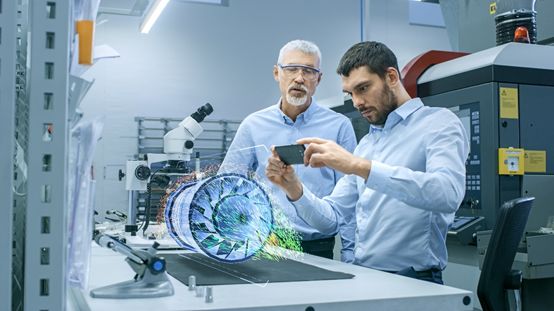 在智能手機創造的AR環境中,用戶可以看到汽車發動機渦輪3D模型。(圖片來源:Gorodenkoff / Shutterstock.com)
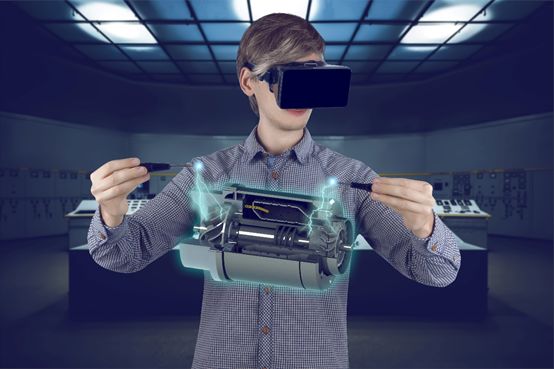 在VR/MR技術中呈現的一個發動機部件的橫截面,可用于生產和調試。(圖片來源:Monstar工作室 / Shutterstock.com)
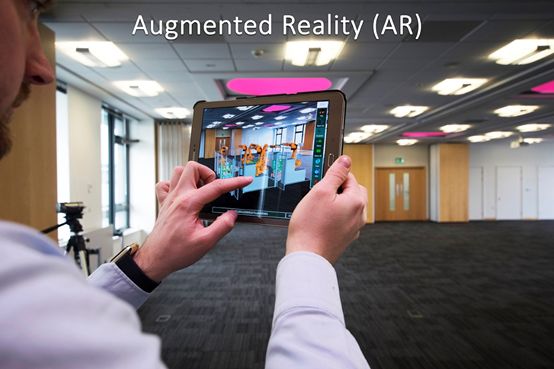 有了AR技術,工程師就能夠在實體部件或工廠正式建成前進行修改,若在建成后才修改錯誤,變更成本將非常高昂。(圖片來源:Theorem Solutions公司)