網聯功能如今是新車中普及最快的特性之一,各大企業也已從中發現商機,希望可以利用車輛網聯功能產生的數據,提供更多服務并增加公司收入。然而,此類這些市場真正成型必須有個前提數——據公司和車主都必須首先確信,車輛的數據完整性能夠得到保證。
今年4月在底特律舉行的 SAE WCX 18 全球汽車年會上,Aras Corp 公司的 William Bone 提到:“首先,數據質量必須得到保證。如果沒法保證質量,你就賣不出去。這些數據必須具有真正意義、能夠真正發揮作用,且得到大家的信任。一些具有可追溯性的相關數據具有很大價值。”
區塊鏈前來助陣?
其他 WCX 大會演講嘉賓提出,為了解決數據質量的問題,正在高速發展的區塊鏈技術可能是一種可行的解決方案。由于經常與一些“灰色”加密貨幣聯系在一起,區塊鏈技術的確引起了一些懷疑,但事實上,這項技術已經開始在銀行業等領域有所應用,主要用于確保數據在使用時不會被篡改。區塊鏈可以長期保證數據的完整性,全面覆蓋車輛的完整使用周期(通常為十多年),因此一些希望發展車輛數據業務的公司已將區塊鏈技術視為一種可行的解決方案。
“我們需要找一些簡單的方法來監測數據,”風河系統公司(Wind River Systems)的 Peter Brown 說,“一些基于區塊鏈技術的解決方案可以覆蓋車輛的生命周期,人們需要了解數據沒有被篡改。”
區塊鏈技術已經進入部分供應商的計劃中:汽車供應商采埃孚、UBS 和 IBM 已經合作開發了一個開放汽車支付平臺——Car eWallet 汽車電子錢包,可以讓車輛直接進行收付款,而且采埃孚還展示了一種讓汽車用 eWallet付款的新概念——當車輛完成自動停車后,車上人員就可以直接下車離開,而eWallet 可以自動支付停車費用。eWallet 解決方案應用了 IBM 的區塊鏈技術,這可以將同一個網絡中每個用戶的信息同步至一些可靠且不可篡改的數據記錄中。
所有參與者的信任
這些保護行技術必須在車輛的完整使用壽命期內證實數據的完整性。然而,這種對完整性的要求并不僅止于數據,購買信息的公司必須向提供數據的車主證明自己。
如果供應商想要建立一個真正穩健的互聯車輛數據市場,則首先必須確保消費者能夠信任所有有權限訪問自己數據的公司。車主肯定要有充分的理由和動機,才會選擇加入一些供應商的數據收集項目,而且必須充分信任這些數據收集者。在這種環境下,如果媒體經常報道一些數據濫用或非法使用的案例,那車主就不會愿意參加數據收集項目。
“消費者最在乎的永遠是‘到底有什么好處’及‘到底要付出什么代價’,”CCC 信息服務公司的 Andreas Hecht 說,“長期以來,業界一直都未能很好地解釋,他們到底會用客戶數據做什么。”
Connectivity, one of the fastest-growing technical features for new vehicles, has attracted the attention of many companies that hope to offer services and garner revenue by using data from vehicles. But before any market can emerge, data companies and vehicle owners will have to believe that data integrity is ensured.
“The quality of data must be there,” William Bone of Aras Corp said at the recent SAE WCX 18 conference in Detroit. “If it can’t be trusted, you can’t sell it. It has to be something that can be understood and used, and people must believe that they can trust it. There’s a lot of value in data that's traceable and relevant.”
Blockchain to the rescue?
Other WCX speakers suggested fast-developing blockchain technology may provide a solution. Though blockchain’s association with murky cryptocurrencies has created some skepticism, the technology is seeing expanding use in banking and other fields that want to ensure data is not tampered with as it’s used. Blockchain’s ability to ensure data integrity over the decade-plus lifetime of vehicles has many eyeing it as a possible solution for those who build marketing plans around vehicle data.
“We need to find some simple way to monitor data,” said Peter Brown of Wind River Systems. “There may be some blockchain-type solution that will cover the lifecycle of the vehicle. People need to know the data has not been tampered with.”
Block chain already features in some suppliers’ plans; auto-supplier ZF, UBS and IBM teamed up to create Car eWallet, an open automotive-transaction platform that enables vehicles to make and accept payments—and ZF has demonstrated the concept with a vehicle that pays for charging and tolls using eWallet. And while vehicles park themselves autonomously as occupants go about their business, eWallet can automatically pay for parking. The program employs IBM blockchain technology, which makes it possible to synchronize the information of each user in a network in a reliable and unchangeable data record.
Trust for all involved
Protective technologies will have to certify data integrity over the lifetime of the vehicle. However, integrity must go beyond the data. The companies that buy the information will have to prove themselves to the vehicle owners who provide data.
If suppliers want to build a strong market for data from connected vehicles, they’re going to have to make sure that consumers trust all the companies that gain access to their data. Vehicle owners will have to see some reason to opt in to data-collection plans and they’ll have to trust the data aggregators. If media reports highlight abuses or questionable uses, vehicle owners will be understandably reluctant to authorize many data-collection programs.
“For consumers, it’s always about the balance between what they’re giving and getting,” said Andreas Hecht of CCC Information Services. “The industry has done a poor job of explaining what happens with their data.”
Author: Terry Costlow
Source: SAE Automotive Engineering Magazine
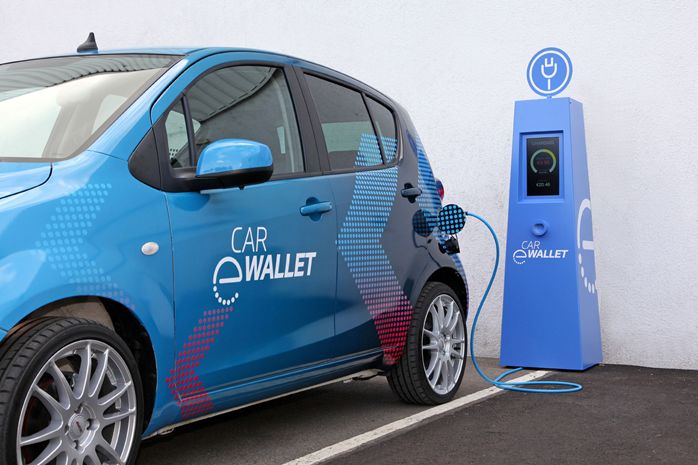 各大公司都已經設想了各種可以應用“車上交易”的場景,比如電池充電收費等。而正是采埃孚 eWallet 電子錢包等服務提供的安全數據傳輸,讓這些應用成為可能。(圖片來源:采埃孚)
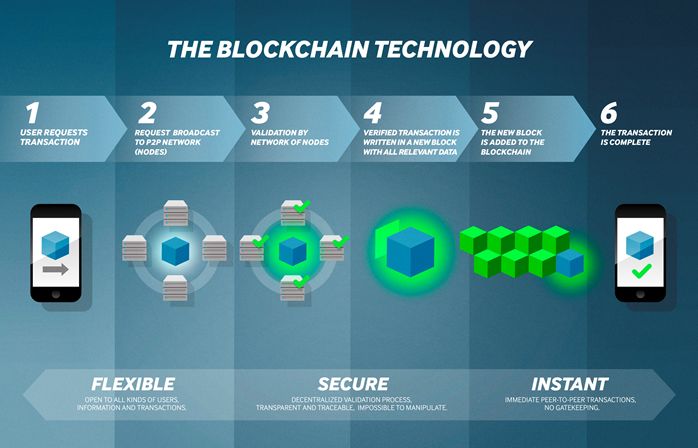 區塊鏈技術可以將用戶數據加密為一條條匿名但可永久保存的記錄。
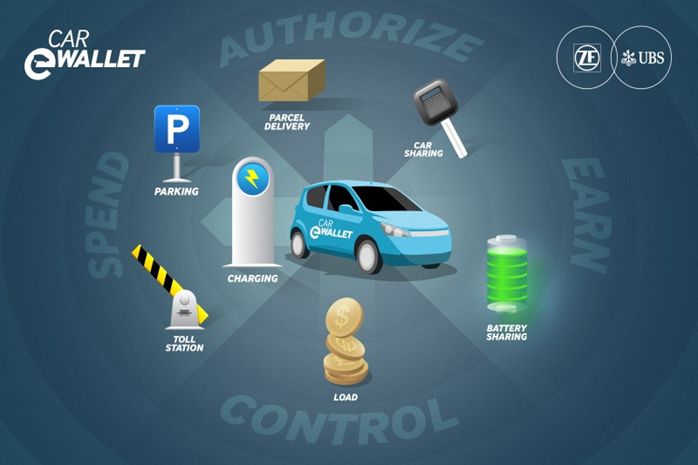 我們可以基于區塊鏈技術生成的加密數據,通過“車上支付”實現快速安全的交易。