2016年最新紀錄片《再活一天》(LiveAnother Day)展示了底特律汽車三巨頭的起起伏伏,其中通用汽車前任副主席Bob Lutz展示了非凡的洞察力與熱情,這也使他成為40多年來整個汽車行業中最有效率的“汽車人”之一。現年84歲的Lutz最初的專業是市場營銷MBA,但實際上他對飛機設計、系統和空氣動力方面的實用知識,才真正使他成為自己口中“工程師和設計師的親密朋友”,而這均來源于他在美國海軍陸戰隊駕駛戰斗機的經歷,以及對汽車、摩托車和飛機的終生熱愛。最近,Lutz先生接受了《汽車工程》主編Lindsay Brooke的采訪。
Lindsay:在我超過30年的汽車報道經歷中,我見過很多優秀的工程師,但什么才能成就一個真正偉大的工程師呢?
Bob:很顯然,真正偉大的工程師必須擁有處理復雜數學問題的智力,還要對產品有絕對的熱情,他們的左右腦通常都非常發達。一所著名工程大學的校長曾經告訴我,通用汽車(General Motors)只要我們年級里成績最高的學生。但這位校長認為,僅憑高績點無法決定最優秀的工程師,他就會雇傭真正對任何項目都抱以絕對熱情的學生,哪怕他們的績點可能只有2.7。這些學生會真正上手驗證自己的理論,有時還會因為太熱衷于自己的項目而縮短學習的時間。
我同意這位校長的看法,一些我認識的最優秀的工程師都是真正干實事的人,他們非常注重產出的結果,一點也不官僚。
Lindsay:您怎么看領導力?
Bob:一名充滿激情的工程師必須能夠為其所領導的團隊加油鼓勁,用熱情感染其他同事。我腦海里現在就有兩個在這方面非常優秀的人選:第一個是Francois Castaing(上世紀90年代克萊斯勒頂峰時期的工程執行副總裁,最早在雷諾和美國汽車工作)。Castaing棒極了,他一直在負責雷諾的F1方程式車隊的工作。如果你周日沒能贏得比賽,那你就周一重新進行設計、周二周三重新搞零件、周四開始制造,然后周五再去測試。整個過程的時間都很緊,需要直接卷起袖子開始干活。
Francois就好像是總能夠完成大家都認為不可能的事,他熱愛挑戰。
另一個偉大的工程師是Jim Queen(通用汽車全球工程副總裁),他是一個出色的領袖,也曾在美軍駕駛F4鬼怪戰斗機。我覺得Jim憑借自己的領導力完成了很多人絕對無法完成的事。Jim并不像Francois過去那樣熱衷于駕駛,在試車場上,只要Francois在場,我就絕對搶不過他。
Lindsay:為什么一些非常高效的工程師轉入管理層后效率就變低了呢?
Bob:的確是這樣,即使Francois也認為這很難,他很難理解一些違反直覺的高級管理決策。但你就是要訓練自己,你應該意識到自己不可能天生就什么都比別人強。
Lindsay:成就偉大的關鍵是什么?
Bob:你應該愿意接受挑戰,在產品上賭上自己的聲譽。如果你不愿意拿自己的聲譽冒險,那我認為你可能會一事無成,總是“順其自然”不是一個優秀工程師該做的事。
Lindsay:BMW的偉大工程師怎么樣?
Bob:我在BMW(1971到1974年間,擔任BMW全球銷售與營銷執行副總裁)工作時,幾乎沒有任何工程師身居高位,而官僚主義卻相當盛行。當我剛從通用汽車歐洲公司轉到BMW時,這讓我非常吃驚。我以為每個人都像我一樣這么關注產品,而且為汽車而狂熱。
當時,我想在BMW慕尼黑總部的頂層大廳中放置一些可以展示BMW競賽歷史的藝術品,這也是公司主席和董事辦公的地方,但他們告訴我,“Lutz先生,高管的樓層是一個莊嚴的地方,這里沒有汽車這玩意兒的位置。”我簡直吃驚地合不攏嘴,BMW到底是怎么創造了這么偉大的汽車。后來,我意識到這些高管根本不了解產品的事。
在BMW公司,真正偉大的工程都發生在遠離高管層的地方。我們有Alexander von Falkenhausen,一位非常出色的發動機工程師。他曾在2款2.5L內聯6缸發動機的基礎上設計了我們的第一款12缸V12發動機,而且只用了幾周時間。
像Castaing、Queen和von Falkenhausen這樣真正偉大的工程師往往都更注重產出,而非流程。這點我非常認同,因為那些“只要流程沒問題,產品一定沒問題”的老一套往往根本行不通。如果你的目標有問題,即使流程再完美也不會有什么好結果。
Throughout the 2016 documentary film Live Another Day about the fall and rise of the Detroit-3 automakers, former GM Vice Chairman Bob Lutz shows the insight and enthusiasm that made him one of the industry’s most effective “product guys” for four decades. While Lutz, now 84, actually holds a marketing MBA, his practical knowledge of aircraft design, systems and aerodynamics learned as a U.S. Marine Corps fighter pilot combined with a life-long love of cars, motorcycles and aircraft made him, as he says, “a close friend of engineers and designers.” He spoke recently with editor-in-chief Lindsay Brooke.
I’ve met many good engineers in my +30 years covering the industry. But what makes a great one?
Truly great engineers obviously have the intellect for handling the complexities of the math, combined with a thorough passion for the product. They tend to be left- and right-brained thinkers. The president of a major engineering university once told me that General Motors would only recruit his students who had the top grade-point averages. He argued that GPA alone does not make the best engineers. He said the kids he’d hire himself are the ones who might have a 2.7 [GPA] but who are absolute fanatics about whatever project they’re working on. They’ve got dirty fingernails from testing their theories and some even cut short their study time because they’re so passionate about their projects.
I agree. Some of the best engineers I’ve worked with are hands-on, very outcome-focused. And non-political.
What about leadership?
The passionate engineer then must trigger that same or greater enthusiasm in the people he or she is leading. Two people come to mind whom I think were exceptionally good at that. First and foremost is Francois Castaing [Executive VP of Engineering at Chrysler during its 1990s heyday who achieved earlier successes at Renault and American Motors]. Castaing was fabulous—he’d been in charge of Renault’s Formula 1 racing team. In racing if you don’t win on Sunday you re-design on Monday, you finish re-engineering the new parts on Tuesday and Wednesday, you fabricate them on Thursday and you test on Friday. It’s all short lead time, roll-up-your-sleeves and get the job done.
Francois was like that—and constantly doing things that were accepted by the system as being impossible. He loved challenges.
The other great engineer is Jim Queen [GM Group VP Global Engineering], a superb leader and former Marine pilot who flew F4 Phantoms. I felt that Jim got a lot of things done by the power of his leadership that lesser people couldn’t have accomplished. Jim wasn’t as enthusiastic about driving as Francois was—at the proving ground I never got to drive first if Francois was there.
How is it that engineers who are highly effective simply being engineers often turn out to be much less so when they move into management?
Even Francois found that to be tough, because he couldn’t understand senior management decisions that were counterintuitive. But you just train yourself to realize you can’t win every battle.
What’s the key to engineering greatness?
The willingness to take intelligent risks—both reputational and risks with the product. If you’re not willing to put your credibility on the line, I don’t think you’re going to achieve anything. To always ‘go with the flow’ is not great-engineer stuff.
How about great engineers at BMW?
When I was at BMW [1971-74, Executive VP Global Sales and Marketing] there were almost no engineers in senior positions. There were plenty of bureaucrats, however. That was my big surprise when I first went to BMW from GM Europe. I thought everybody was going to be enormously product focused, like me, and passionate about the cars.
When I wanted to put some nice artwork of BMW’s racing history in the lobby of the top floor of BMW headquarters in Munich where the chairman and members of the management board had their offices, I was told, ‘Mr. Lutz, the senior executive floor is a dignified place. Automotive subjects have no place here.’ That surprised the hell out of me and it made me wonder how we made such great cars. Then I found out senior management was blissfully unaware of what was going on in the product area.
At BMW the great engineering took place at a level well below senior management. We had Alexander von Falkenhausen, the brilliant engine guy. He did our first V-12 based on two 2.5-L inline sixes, in a few weeks.
The truly great engineers like Castaing, Queen and von Falkenhausen tend to be outcome-oriented versus process-oriented. That counts a lot with me because that old ‘If you get the process right, the product will be right’ bullshit often doesn’t work. If you have a perfect process with the wrong goals, you won’t have anything worthwhile.
Author: Lindsay Brooke
Source: SAE Automotive Engineering Magazine
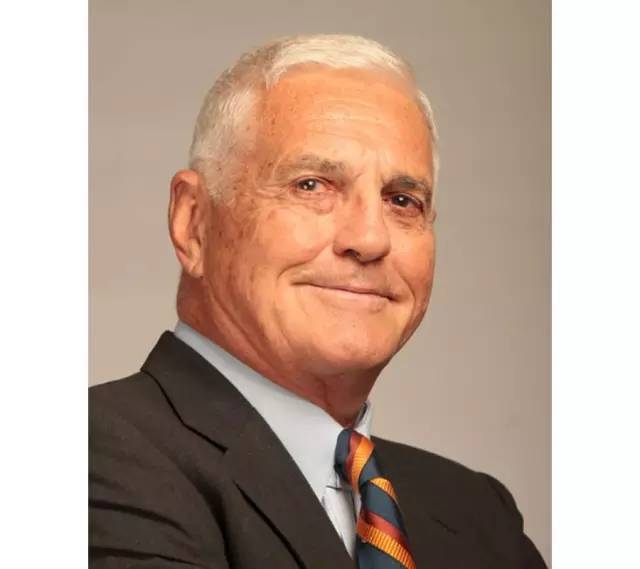 Lutz:“訓練自己,你應該意識到自己不可能天生什么都比別人強。”