最近,以安全著稱的沃爾沃汽車(Volvo Cars)與汽車駕乘共享服務平臺優步(Uber)宣布將一起開發下一代自動駕駛(AD)技術,并最終實現SAE 5級全自動汽車(即無剎車、油門、轉向),這一消息可能會給那些害怕、懷疑甚至反感自動駕駛技術的人帶來一絲安慰。
沃爾沃曾公開表示,2020年后,公司將保證任何駕乘沃爾沃新車型的用戶絕不會遭遇任何致命或嚴重受傷事故。可以看出,此次沃爾沃與優步的合作也與2020目標相一致。這個大膽的聲明首次出現在2007年,當時沃爾沃推出了大量安全功能,并堅信這些功能可幫助公司實現最終目標。
此外,沃爾沃也相信自動駕駛技術可以剔除人為錯誤,而人為錯誤一直是車禍發生的主要原因。自動駕駛可以將駕駛安全提升至過去難以企及的新高度。
沃爾沃的信心絕非毫無道理,這家公司擁有一個龐大的事故分析數據庫。據了解,公司的數據庫可以追溯回1970年,收集了涉及7.2萬名人員的4.2萬次事故(包括輕微事故和致死事故)。沃爾沃汽車集團(Volvo Car Group)政府事務部總監Anders Eugensson表示,這些信息可以形成一個巨大的數據矩陣,為公司的2020年目標提供評估指導。
Eugensson認為,60年前,沃爾沃工程師Nils Bohlin發明了3點式安全帶,極大地提高了汽車的安全。60年后的今天,自動駕駛技術不僅將“飛入尋常百姓家”,而且甚至可以讓安全帶和安全氣囊“永遠退休”。
作為沃爾沃40系副總裁,HelenBergström Pilo是沃爾沃安全高管團隊的關鍵成員。該團隊負責確保公司的較小車型也能提供與旗下較大車型同等水平的安全和功能。
SAE5級自動“前進一大步”
Eugensson告訴《汽車工程》,“現在我們正在研發SAE 4級自動駕駛技術。”他解釋說,這與真正的SAE 5級自動駕駛仍有相當大的差距,需要巨大投資,但可以給整個社會帶來巨大收益。隨著安全水平不斷提升,不僅交通運輸管理,醫療保健領域也會從中受益。
在沃爾沃和優步的聯合項目中,這兩家公司均會使用同一款基本車型來搭載自動駕駛系統,實現各自的自動駕駛戰略。沃爾沃和優步預計將建立長期行業合作伙伴關系。
目前,本次聯合項目將采用一款與現行版XC90、S90和V90同樣來自沃爾沃模塊化可拓展平臺架構(SPA平臺)的基礎車型。SPA的可擴展性,可以為這款車提供自動駕駛所必需的安全、冗余及其他相關功能。
優步首席執行官Travis Kalanick表示:“每年有超過一百萬人死于車禍。這些悲劇本可以通過自動駕駛技術避免,但我們無法獨立完成這一任務。”因此,優步和沃爾沃的合作誕生了。這倆家公司可以借助彼此的專業,分別實施各自的全自動駕駛系統全球推廣計劃。
由于各個國家的政策要求有所差異,自動駕駛汽車的上市時間存在一定差異。另外,為了在各個地區證明全自動駕駛的潛力,公司還必須承擔更多成本開支,具體包括在歐洲各大主要城市投入大型自動駕駛汽車,進行相關道路測試。
根據Kalanick的說法,90-95%的事故均由人為錯誤產生。那么,這是否意味著全自動汽車可以避免90-95%的車禍嗎?
“差不多吧。汽車可以從容地完成每一個決定,絕不會疲憊或分心。”Kalanick表示,“但車輛仍需與一些普通道路用戶互動,比如行人和自行車等。”另外,自動駕駛汽車還面臨其他車輛(包括傳統汽車和自動駕駛汽車)帶來的挑戰,比如其他汽車可能會在十字路口闖紅燈等。
Kalanick承認自動駕駛技術可能無法將事故發生率降低95%,但他相信沃爾沃的系統可以在未來1到2年內充分發展,變得更加智能。“此外,如果自動駕駛汽車進入行人很多的區域,那我們可能不得不非常小心,緩慢駕駛。”
2017年將迎來第一步
目前,大部分自動駕駛系統將用到的技術均已登陸沃爾沃汽車,包括雷達、立體相機、超聲波雷達、衛星導航以及任何可以協助車輛從各個方向觀察周邊環境的技術。沃爾沃汽車甚至可以在通過低橋或進入停車場時觀察車輛上方的情況。
Eugensson對沃爾沃的未來技術充滿信心,他補充說:“也許,未來的汽車將成為一個移動起居室。如果我們可以制造出絕不會發生車禍的汽車,那么‘駕駛員’也可以轉過身來面向乘客溝通交流,甚至一起用餐!事實上,駕駛員這個概念可能會成為歷史。”
Eugensson預測,未來30年后,可能沒人需要坐在如今的駕駛座,那時的汽車將實現完全自動。
這話從一位大牌汽車廠商高管口中說出似乎有些驚人,但也反映了全自動級別的自動駕駛技術已經觸手可及。
雖然沃爾沃仍會將“安全”作為公司的主要賣點,但事實上各個品牌的自動駕駛汽車均需符合非常嚴格的法律標準,也就是說可能達到同樣的安全水平。因此,沃爾沃必須調整自己的主要賣點。事實上,沃爾沃已經有所行動,公司計劃通過提升質量、提高品牌形象,憑借集安全性、舒適度與功能性于一身的綜合實力進軍豪車市場。
Eugensson說,“但這并不是單純把各種技術一股腦塞進車里,我們必須確保將每一件事做到極致。”
除了生產較大車型的SPA平臺,沃爾沃還擁有一款生產較小車型的緊湊型模塊化平臺(CMA平臺)。據了解,沃爾沃的較小車型也必須在2020年前達到與較大車型同等水平的安全和自動駕駛標準。沃爾沃40系(較小車型)副總裁Helena Bergström Pilo表示:“SPA和CMA平臺有些相似,但主要生產不同尺寸的車型。第一款基于CMA平臺的沃爾沃車型將在2017年年底問世。我們暫時不會公布具體細節,但目前已經問世的40.1和40.2概念車均可以展示這個平臺的功能。”
CMA平臺可以支持包括純電動系統在內的多種動力系統,從而為沃爾沃實現終極安全目標帶來更多的設計和工程方面的可能性,并同時在競爭激烈的汽車市場內不斷降低重量和成本,提升舒適度和質量。
Pilo指出,所有車型面對的共同挑戰是自動駕駛。“我們必須繼續優化自動駕駛技術,直到這種技術真正可以在所有交通環境下實現全自動駕駛。這是沃爾沃所面臨的挑戰,也是整個汽車行業的挑戰。”
The news that Volvo Cars, renowned for its safety focus, and ride-sharing company Uber, are working together to develop next generation autonomous driving (AD) cars eventually reaching full SAE Level-5 standard (no steering wheel or controls), may bring comfort to those who are scared, skeptical or just scorn the advent of being driven by such radical robotics.
But this latest development sees a further step to AD being taken in parallel with Volvo’s avowed intent that no one traveling in its new models from 2020 onwards will be killed or seriously injured. That bold statement was first uttered in 2007, presaging the introduction or development of a plethora of safety features that the automaker believes will enable it to achieve its target.
Volvo is also confident that AD will take out the human factor as the major cause of auto accidents. It promises to project driving safety into a once unbelievable new dimension.
Backing Volvo’s confidence is a massive database of accident analyses stretching back to 1970. It concerns 42,000 accidents, from minor to fatal, involving 72,000 vehicle occupants. This information forms a matrix to assess its aims for the 2020 target, says Anders Eugensson, Director Governmental Affairs at Volvo Car Group.
As the 2020s unfold, by then more than 60 years after Volvo engineer Nils Bohlin innovated the 3-point seat belt, not only is AD likely to become commonplace “sometime in the future,” but restraints and airbags may no longer be needed, believes Eugensson.
SAE Level 5 "a big step"
“We are working now on SAE Level-4 of autonomous driving technology,” he told Automotive Engineering. Reaching Level-5 will be a big step and one which will take a lot of investment, he explained, but will bring huge benefits to society in general, not just via traffic management but also in regard to health-care economics as safety levels soar.
The Volvo-Uber link will see both companies using the same base vehicle type for the next stage of their own autonomous strategies in what is expected to be a long-term industrial partnership.
The new base vehicle will be created off Volvo’s modular Scalable Product Architecture (SPA) used by the current XC90, S90 and V90 models. The SPA’s scalability will allow required safety, redundancy and other features central to AD operation.
Uber Chief Executive, Travis Kalanick, states: “Over one million people die in car accidents every year. These are tragedies that self-driving technology can help solve but we can’t do this alone.” Hence the link-up with Volvo that will enable both companies to meet anticipated schedules for full AD introduction internationally.
That schedule will vary depending on differing legislation in individual countries, a fact that adds to the investment needed just to demonstrate the potential capability of fully autonomous systems. The cost includes running large fleets of autonomous-capable test vehicles in major European cities, which Volvo is now undertaking.
Underlining Kalanick’s words, Eugensson states that 90-95% of accidents are due to human error. So does that mean that fully autonomous vehicles will see accidents reducing by a similar figure?
“Almost. The car can make every decision and will not get tired or distracted," he said. "But there would still be an interaction with some ‘normal’ road users.” This means pedestrians and cyclists, and there remain some specific challenges regarding other vehicles (conventional and AD), particularly at intersections, with such dangers as other cars running a red light.
While he admits that the accident rate may not go down by 95%, in a year or two Volvo's systems will have more intelligence to deal with this, he believes. "Also, if an autonomous car enters an area where there are a lot of pedestrians we have to be very cautious and drive very slowly.”
First step coming 2017
Most of the technology that will be used for autonomous driving will be an extrapolation of systems already used on Volvo cars. These include radar, stereo cameras, ultrasonics, satellite navigation – and anything and everything that allows the car to be aware of what surrounds, it or approaching, from any direction — even above, such as a low bridge or entry into a parking lot.
Eugensson is so confident of the efficacy of future Volvo technology that he adds: “Maybe the future car will be a mobile living room, too. It could be used as a way of socializing with other occupants because if we produce cars so there are no crashes you, as the ‘driver’ would be able to turn around and maybe even have a meal on the move! In fact, there would not be a driver as such."
No one would need to be in what now would be the driving seat; the vehicle would be totally autonomous, he projected, offering a 30-years-from-now forecast.
It is a seemingly remarkable statement from a senior executive of an established OEM but it underlines the level of technology advances that are now within reach.
Although Volvo would retain its safety USP, all other autonomous vehicles would also need to conform to very high legislated standards, which would in theory, create a level safety technology playing field. Therefore Volvo has to modify its USP. It is already doing that, planning to lift its quality and image into the premium class, combining safety with high levels of comfort and capability.
“But it is not just about putting technology into a car; we have to assure our customers that we have done everything absolutely thoroughly,” says Eugensson.
Complementing Volvo’s large car SPA is its Compact Modular Architecture (CMA) for smaller cars that must also meet Volvo’s safety criteria for 2020 and its AD plans. Helena Bergström Pilo, Vice President of Vehicle Line 40 (smaller series cars), says: “SPA and CMA are related but are of different sizes. The first car using the CMA will appear at the end of 2017. We are not releasing details yet but we have shown two concepts, the 40.1 and 40.2 which show the architecture’s capability.”
The CMA can take a range of powertrains including pure electric, which broadens the design and engineering challenges of meeting Volvo’s ultimate safety aim, while keeping mass and cost down, comfort and quality up, in a fiercely competitive segment.
But the common challenge across all model ranges is AD, noted Pilo: “It is to expand that technology and to the level where it can really be called fully autonomous in all traffic situations. That is the challenge that faces Volvo — and the automotive industry in general.”
Author: Stuart Birch
Source: SAE Automotive Engineering Magazine

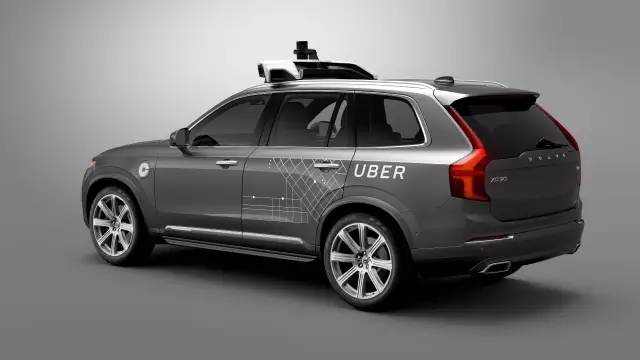 沃爾沃和優步的自動駕駛合作研發項目將使用一款來自沃爾沃SPA平臺的車型。
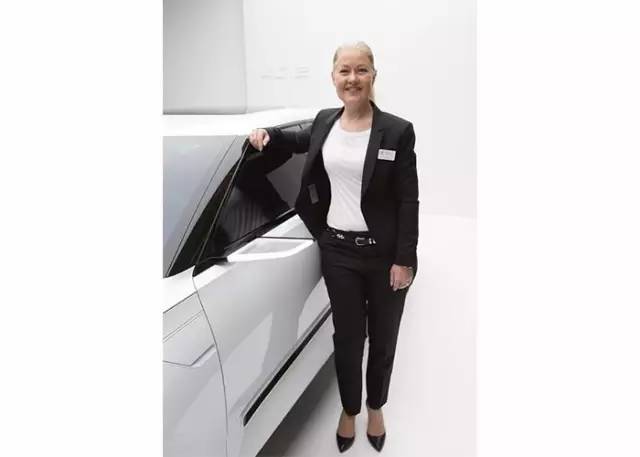 作為沃爾沃40系副總裁,HelenBergstr?m Pilo是沃爾沃安全高管團隊的關鍵成員。該團隊負責確保公司的較小車型也能提供與旗下較大車型同等水平的安全和功能。
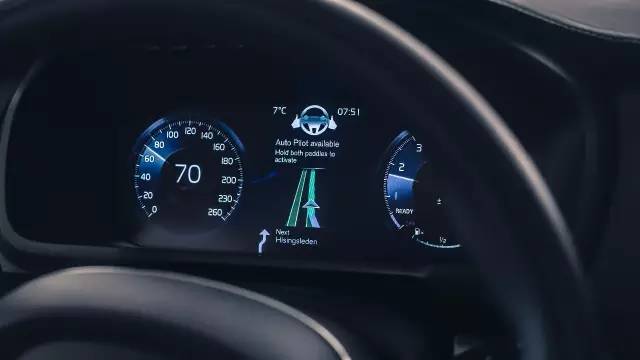 沃爾沃的IntelliSafe(智能安全)自動駕駛儀接口是公司自動駕駛研發項目的組成部分。
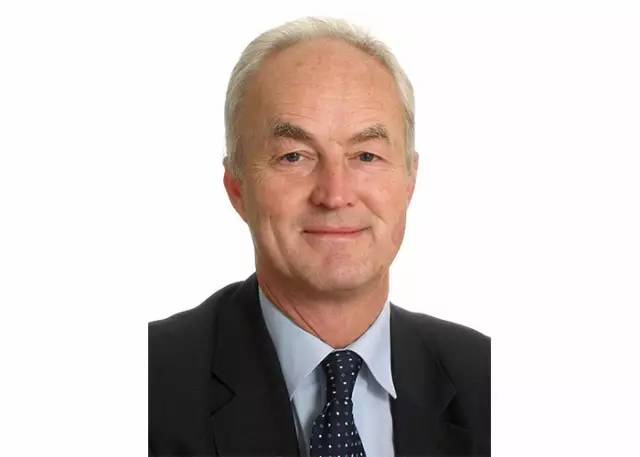 沃爾沃政府事務總監Anders Eugensson相信,自動駕駛技術仍有進一步提升的潛力。