加州將計劃建設更多的燃料電池車的加氫站,電動汽車充電站的則將會全美鋪開以此來解決新能源汽車車主的加“油”的問題。美國加州燃料電池聯盟(California Fuel Cell Partnership)執行總監 Bill Elrick,在底特律舉辦的2016先進汽車電池大會(2016 Advanced Automotive Battery Conference)xEV基建設施分會上提到。
Elrick直截了指出,“沒有配套基礎設施,你根本就賣不掉車。”
截至2015年底,加州只有兩個出售氫燃料的加油站。Elrick承認,“我們沒有足夠的基礎設施支持汽車廠商早期的新能源汽車推廣。”
目前,加州加氫站的已經達到20個,數據位居全美之首。Elrick表示,“到2016年底,我們的氫燃料站預計將超過30個,這將極大地促進加州燃料電池汽車市場的發展。”
現階段,加州市場共有兩款在售的燃料電池乘用車,分別為豐田Mirai和現代途勝。此外,本田Clarity也將在今年晚些時候上市。據了解,Clarity將成為業內首款采用燃料電池、純電動及插電式混合動力車通用平臺所生產的燃料電池車。電動版和插電式混合動力版Clarity將在2017年亮相美國市場。
按照加州現有的加氫站分布,車主完全可以駕駛自己的燃料電池汽車,從洛杉磯開往舊金山。Elrick表示,“燃料電池車整個加氫過程與傳統汽車加油時間差不多,僅需3到5分鐘即可加滿。”
加里福尼亞州的中期目標是建設100個氫燃料站。Elrick說道,“從一方面說,與分布在加州的13,000個加油站相比,這100個氫燃料站簡直是微不足道。但是,只要我們合理安排這100個加氫站的位置,絕大多數加州市民都可以在6分鐘內到達最近的那個。”
除了輕型乘用車外,加州還有4家公交公司擁有燃料電池大巴。
Elrick表示,“燃料電池大巴即將迎來全面商業化。這種大巴的成本開始逐漸下降至100萬美元,甚至更低。我們預計,一旦政府的下一輪補助計劃推出將大幅提高燃料電池大巴的銷量,從而推動成本的進一步下降。”
預計,中載和重載燃料電池車可能會在今年晚些時候首次亮相。
Elrick表示,“目前,中載和重載燃料電池車仍處于早期階段,大致情況與大約10年前的輕型車發展進度差不多。”
加州的氫氣供應主要來源于空氣分解及其他工業生產。Elrick表示,“但是,我們必須關注新的氫燃料生產工藝,特別是在可再生能源方面。”
電動車充電設施仍然不足
與此同時,加州非營利性組織電力科學研究院(Electric Power Research Institute)能源利用總監Mark Duvall表示,加州電動車充電基礎設施的建設仍在進行之中。
“我認為我們已經解決了很多插電式電動車充電的問題,但距離目標還有一定差距。” Duvall還指出,需要在工作場所等公共區域建設更多的充電站。
目前,交流充電和直流快速充電已經走上了兩條不同的道路。
Duvall在與《汽車工程》雜志的采訪中表示,“我認為,無論你開多大的車,哪怕是大型SUV或皮卡,這些乘用車的充電需求也不大可能超過我們的交流充電標準,也就是(最高)19.2千瓦。”
目前,直流快充系統的充電功率在25到125千瓦之間,但其中絕大部分充電站都選擇了50千瓦。
Duvall表示,“快充系統將不斷發展,未來還將同時向后兼容當下大部分道路車輛。我認為,這種作法非常必要,畢竟目前全美還有成千上萬輛采用現有直流充電設施的車輛。”
Duvall預測,隨著雪佛蘭(Chevrolet)Bolt和下一代日產聆風(Nissan Leaf)等一批長續航里程電動車的到來,未來電動車充電基礎設施領域的投資將有所增長。
Duvall解釋說,“當你開始對高功率充電設施有了更清晰的概念時,你就可以建設更多的直流快充設施,功率是現有設備的3到7倍。”
Duvall表示,由于市政、公用事業及各相關部門負責的部分各不相同,因此到底是誰在建設這些基礎設施,以及這些設施到底屬于誰都并不重要。Duvall表示,“關鍵在于建設!我覺得對于駕駛員而言他并不關心這些系統是誰家建造,因為在他眼里這些基礎設施就是一個系統。而且我認為我們的工作還很不夠,這才是最為關鍵的挑戰之一。”
作者:Kami Buchholz
來源:SAE《汽車工程》雜志
翻譯:SAE 中國辦公室
More hydrogen fueling stations in California and additional electric vehicle charging stations across the U.S. could reduce the range anxiety consumers have about driving these-advanced technology vehicles, Bill Elrick, Executive Director of the California Fuel Cell Partnership told an xEV Infrastructure session audience at the 2016 Advanced Automotive Battery Conference in Detroit.
“You can’t sell a car if there isn’t infrastructure to support it,” Elrick flatly stated.
At the end of 2015, California had only two retail stations selling hydrogen fuel. “We didn’t have enough infrastructure out there to let the early automaker deployments prosper,” Elrick admitted.
Now, California has 20 hydrogen retail stations, the most of any state in the U.S., and “By the end of 2016, we expect more than 30 stations. That will put California in a prime place for the other fuel-cell vehicles (FVCs) that are coming to market,” Elrick said.
Fuel-cell passenger vehicles in the California market include the Toyota Mirai and the Hyundai Tucson Fuel Cell. The Honda Clarity Fuel Cell arrives late this year; Clarity will be the industry’s first vehicle to use the same platform underpinnings for fuel-cell, battery-electric and plug-in hybrid variants. Electric and plug-in hybrid versions of the Clarity are slated for U.S. launch in 2017.
With the present network of hydrogen retail stations in California, it’s possible to drive an FCV from Los Angeles to San Francisco. “And it will take the same amount of time as it does in a gasoline car because of the 3- to 5-minute fill time with hydrogen,” said Elrick.
California’s mid-range goal is 100 retail hydrogen stations. “On the one hand, 100 stations seems rather small compared to the 13,000 gas stations in the state. However, 100 well-placed stations throughout California will put the majority of the state’s citizens within six minutes of a hydrogen station,” he concluded.
Beyond light-duty passenger vehicles, four transit agencies in California operate fuel-cell buses.
“Fuel-cell buses are just on the verge of full commercialization. The costs are getting down to $1 million or less and we think the next round of government co-funding will be a push for mass purchases, bringing the costs down even more,” said Elrick.
The first appearance of fuel-cell medium- and heavy-duty vehicles is likely later this year. “It’s just in the early demonstration stage, so we’re about where we were with light-duty vehicles about a decade ago,” said Elrick.
California’s supply of hydrogen is coming from reforming gas and other industrial processes. “But we need to look at new hydrogen production—and what we should really be focusing on is renewable sources,” said Elrick.
EV charging: more still needed
Meanwhile, the charging infrastructure for electrified vehicles remains a work in progress, according to Mark Duvall, Director of Energy Utilization for the Electric Power Research Institute, a non-profit organization headquartered in California.
“I think we’ve solved a lot of the infrastructure problems with plug-in vehicles, but there are still some gaps,” said Duvall, noting a need for more workplace and public charging stations.
AC charging and DC fast-charging are on different trajectories.
“I find it very unlikely that passenger vehicles of any size—even when you start electrifying large SUVs and pickup trucks—would need more than what we have available through the AC standard, which is (a maximum of) 19.2 kilowatts,” Duvall said in an interview with Automotive Engineering.
The DC fast-charging infrastructure presently provides between 25 and 125 kilowatts, with most units providing 50 kW.
“Fast charging can evolve in such a way that it’s still backward-compatible with the vehicles that are on the road today. And I think that’s both necessary and possible because there are already hundreds of thousands of vehicles in the U.S. that use our existing DC charging infrastructure,” Duvall said.
As the Chevrolet Bolt, next-generation Nissan Leaf and other vehicles with a greater driving range become commonplace on roadways, Duvall expects to see more infrastructure investments.
“As you start to get a clearer vision of what this higher-power infrastructure looks like, you could just build the DC fast-charging infrastructure with its expected three to seven times power level increase alongside the existing equipment,” explained Duvall.
With municipalities, utility companies and others enabling different infrastructure pieces, Duvall said that it doesn’t matter who does the work or who owns it. “It’s about getting the work done. I think for drivers, it has to look like one system and I think we have quite a bit of work yet. I see that as a key challenge,” Duvall said.
Author: Kami Buchholz
Source: SAE Automotive Engineeringa Magazine

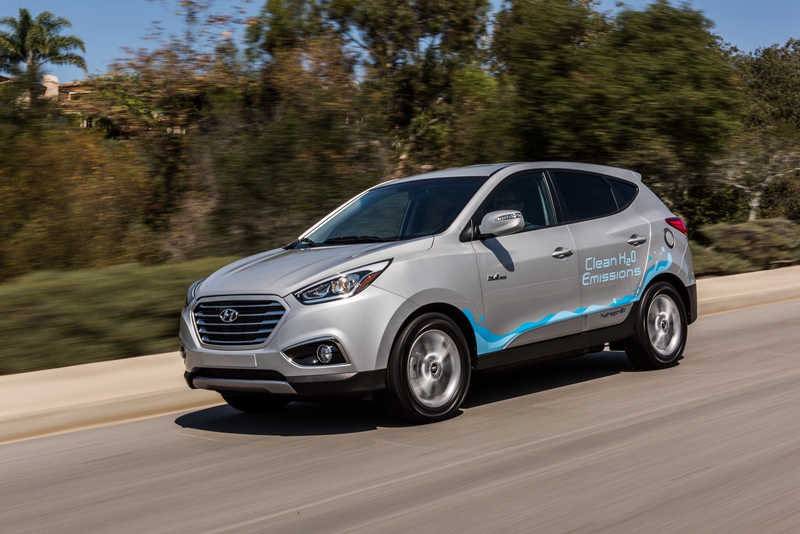 現代途勝燃料電池版的續航里程高達265英里,與常規途勝相同,燃料電池版途勝也是在現代汽車位于韓國蔚山的工廠中生產。
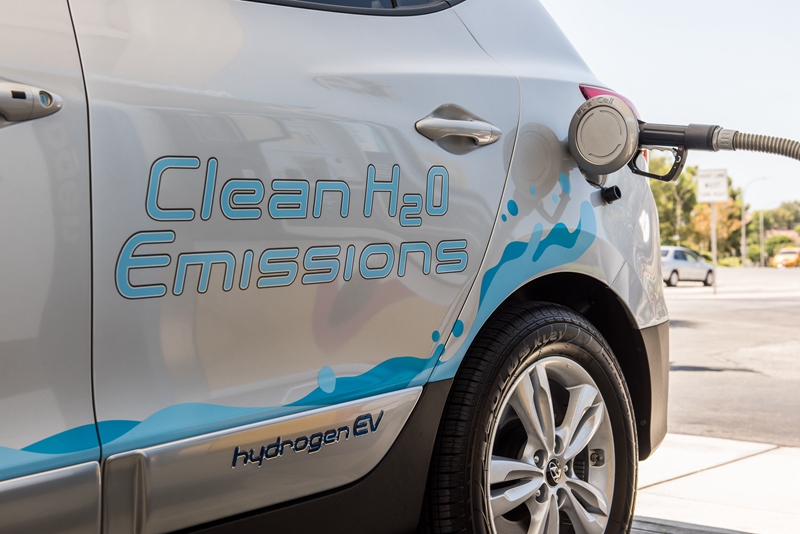 燃料電池車的加氫時間與同尺寸的汽油車很接近。圖片為一輛正在加氫的現代途勝。
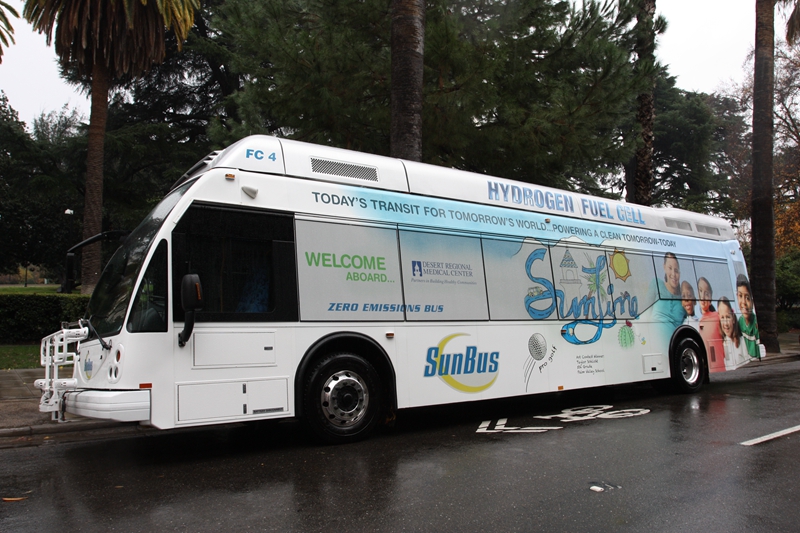 SunLine Transit Agency于2014年6月起在加州運營的第八代氫燃料電池大巴。
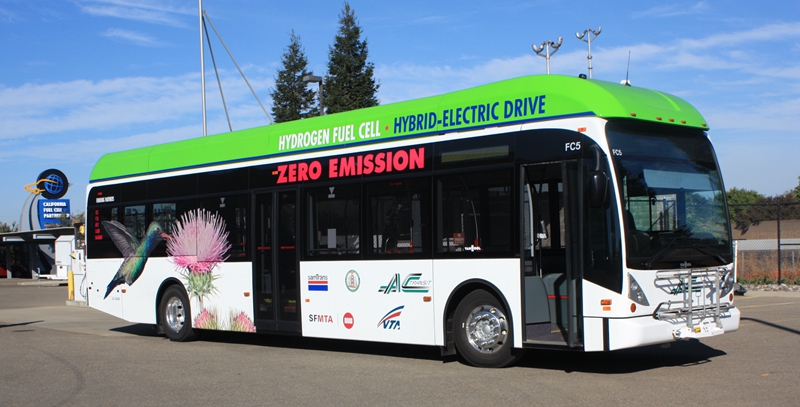 AC Transit于2010年9月起開始運營的第三代氫燃料電池大巴。
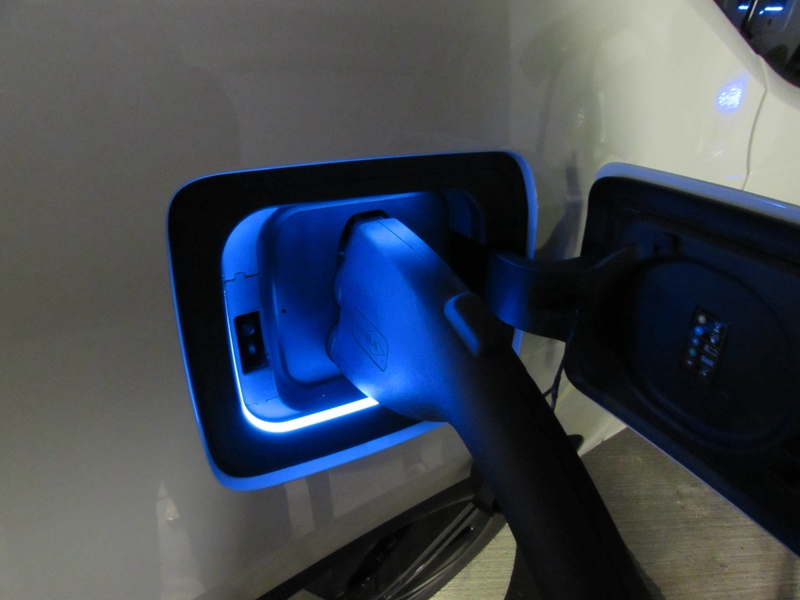 在密蘇里州的堪薩斯城,一輛正在使用SAE Combo充電器充電的BMW i3。
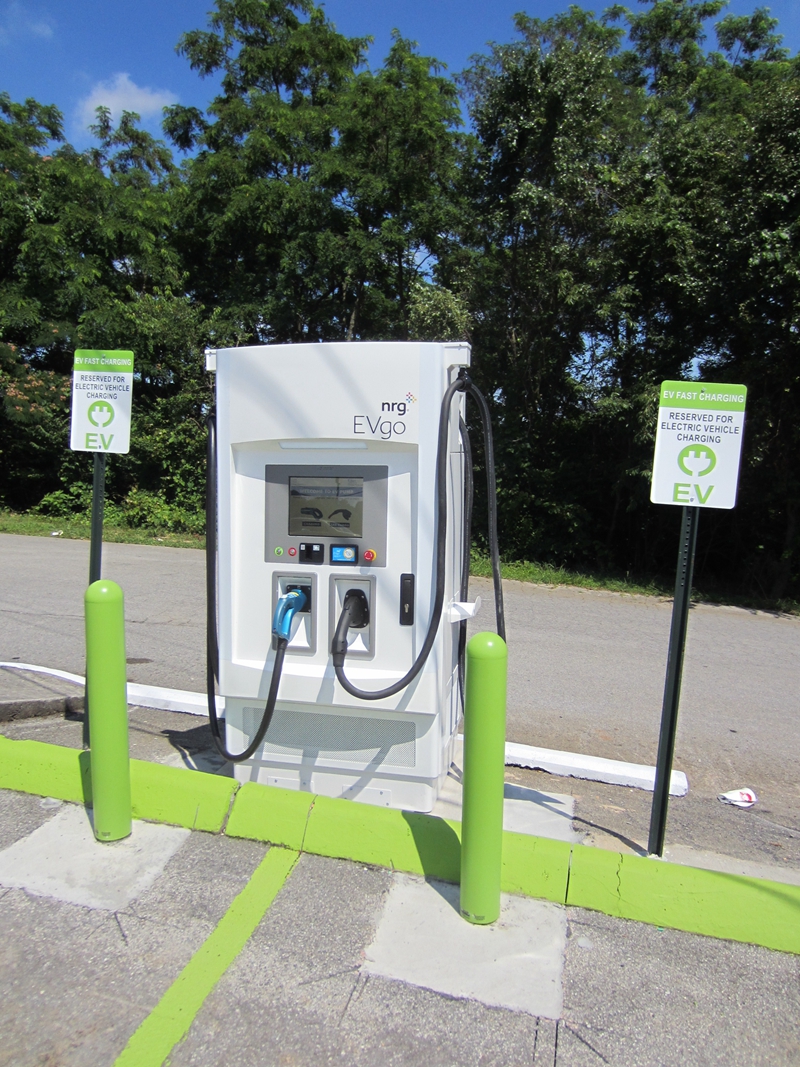 田納西州西諾克斯維爾市,路邊的一部雙端口50千瓦直流快充充電樁。