近日,超音速飛行的相關研究文件已經在不知不覺間堆滿了各個工程研究工作站的桌面,靜待美國宇航局(NASA)的審閱,從而選出一種最好的初步方案,以設計低音爆超音速飛行演示機。據了解,美國宇航局在2017財年預算中加入了一項名為新航空地平線(New Aviation Horizons)的倡議,計劃推出了一系列X-plane機型,這駕超音速演示機就是其中的第一架。
“美國航空航天局正在努力提升飛機的飛行速度,同時讓飛機更環保、更安全、更安靜,并且還在構建一個運行更加高效的航空系統。”美國宇航局局長Charles Bolden日前表示,“值得注意的是,如今距離美國王牌飛行員Chuck Yeager駕駛一架貝爾X-1(Bell X-1)試驗機首次沖破音障(sound barrier),已經過去了近70年。現在,我們將延續超音速X-plane的傳奇,推出一架更加安靜的超音速噴氣式客運飛機。”
為了實現這一目標,美國宇航局精心挑選了一組由洛克希德·馬丁航空公司(Lockheed Martin Aeronauics)帶領的研發團隊,完成靜音超音速運輸(QueSST)系統的初步設計。這項工作將在美國宇航局位于弗吉尼亞州的蘭利研究中心(Langley Research Center)進行,屬于該中心的基礎與應用航空航天研究技術項目(Basic and Applied Aerospace Research and Technology)。
在真正推出商業化超音速飛機之前,美國宇航局進行了一系列靈活性研究,從而更好地了解全美各地對飛行噪聲的接受程度。然后,宇航局要求航空業提交能夠實現超音速飛行的試驗機設計概念,但這種飛機必須滿足宇航局提出的“超音速心跳”噪聲控制要求,也就是說新的超音速飛機的噪聲不能超過“心跳般”的輕輕撞擊聲,而不能像過去那樣轟轟作響,震得房屋窗戶也會跟著晃動。
洛克希德·馬丁公司將在未來超過17個月內獲得約2000萬美金的經費,進行QueSST項目的初步設計。GE航空集團(GE Aviation)和Tri Models公司也是團隊成員,將負責按照規格開發基礎飛機需求、完成初步飛機設計,并提供有關概念成型與規劃的配套文檔。這些文檔將用于準備QueSST噴氣機的詳細設計、實際建造和后續測試。此外,初步設計的飛機性能也必須經過分析驗證和風洞測試驗證。
洛克希德公司并不是最近才開始進行超音速飛行研究,幾年前該公司就曾服務于美國宇航局的N+2項目。洛克希德·馬丁公司N+2項目經理Micheal Buonanno表示,那時我們并不是僅“開發了一個全新的推進系統”,而且還探索了多種新技術的應用,包括“低噪聲飛機排氣系統、集成風扇噪聲抑制系統、機體噪聲抑制系統,以及計算機定制機場噪聲消減系統。”
正是由于Buonanno的團隊“成功開發了一套工具和代碼,如今工程師和設計師才能準確地預測飛機的音爆水平。”
該項目在初期的低音爆飛行演示(Low Boom Flight Demonstration)階段,還將驗證社區將對這種更加安靜的超音速設計作何反應。未來,QueSST飛機的詳細設計與建造將通過合同競標方式,選擇最合適的公司完成。
美國宇航局的“新航空地平線項目”為期10年,主要圍繞在通過與傳統飛機“機身加機翼(tube-and-wing)”形態不同的創新飛機設計,減少燃料使用、實現減排目標,并降低飛機噪聲。該項目打造的X-plane通常僅有量產機型一半的尺寸,很有可能可以駕駛。據了解,飛機的設計與建造工作將花費數年時間,可能將于2020年左右開始進行飛行活動,具體時間將主要取決于經費情況。
作者:Jean L. Broge
來源:SAE《航空航天工程》雜志
翻譯:SAE 上海辦公室
NASA takes a respectable-sized step toward supersonic flight
Research on supersonic flight has quietly been infiltrating the desks of a variety of engineering work stations, verified by NASA's recent contract award for the preliminary design of a flight demonstration aircraft with a low boom profile. This is the first in a series of X-planes in NASA's New Aviation Horizons initiative, introduced in the agency’s Fiscal Year 2017 budget.
“NASA is working hard to make flight greener, safer, and quieter—all while developing aircraft that travel faster, and building an aviation system that operates more efficiently,” NASA Administrator Charles Bolden said recently. “It’s worth noting that it's been almost 70 years since Chuck Yeager broke the sound barrier in the Bell X-1. Now we’re continuing that supersonic X-plane legacy with this preliminary design award for a quieter supersonic jet with an aim toward passenger flight."
To that end, NASA selected a team led by Lockheed Martin Aeronautics to complete a preliminary design for Quiet Supersonic Technology (QueSST). The work will be conducted under a task order against the Basic and Applied Aerospace Research and Technology (BAART) contract at NASA's Langley Research Center in Virginia.
Prior to going out to industry, NASA conducted feasibility studies to better understand acceptable sound levels across the country. It then asked industry teams to submit design concepts for a piloted test aircraft that can fly at supersonic speeds, creating what it describes as a "supersonic heartbeat"—a soft thump rather than the window-shaking boom most often associated with supersonic flight.
Lockheed Martin will receive about $20 million over 17 months for QueSST preliminary design work. GE Aviation and Tri Models are also part of the team, which will develop baseline aircraft requirements and a preliminary aircraft design, with specifications, and provide supporting documentation for concept formulation and planning. This documentation will be used to prepare for the detailed design, building, and testing of the QueSST jet. Performance of the preliminary design also must undergo analytical and wind tunnel validation.
Lockheed is not a newcomer to the study of supersonic flight, having worked on the NASA N+2 program some years ago. In that concept not only was a "totally new kind of propulsion system developed," but the company also explored "new techniques for low noise jet exhaust, integrated fan noise suppression, airframe noise suppression, and computer customized airport noise abatement," according to Micheal Buonanno, Lockheed Martin's Manager of that N+2 program.
It was his team that developed the "tools and codes that allow engineers and designers to accurately predict the loudness of a plane's sonic boom."
This initial Low Boom Flight Demonstration phase of the project also will include validation of community response to the new, quieter supersonic design. The detailed design and building of the QueSST aircraft will fall under a future contract competition.
NASA’s 10-year New Aviation Horizons initiative is built around reducing fuel use, emissions, and noise through innovations in aircraft design that departs from the conventional tube-and-wing aircraft shape. The X-planes that come out of the initiative will typically be about half-scale of a production aircraft and likely are to be piloted. Design-and-build will take several years with aircraft starting their flight campaign around 2020, depending on funding.
Author: Jean L. Broge
Source: SAE Aerospace Engineering Magazine

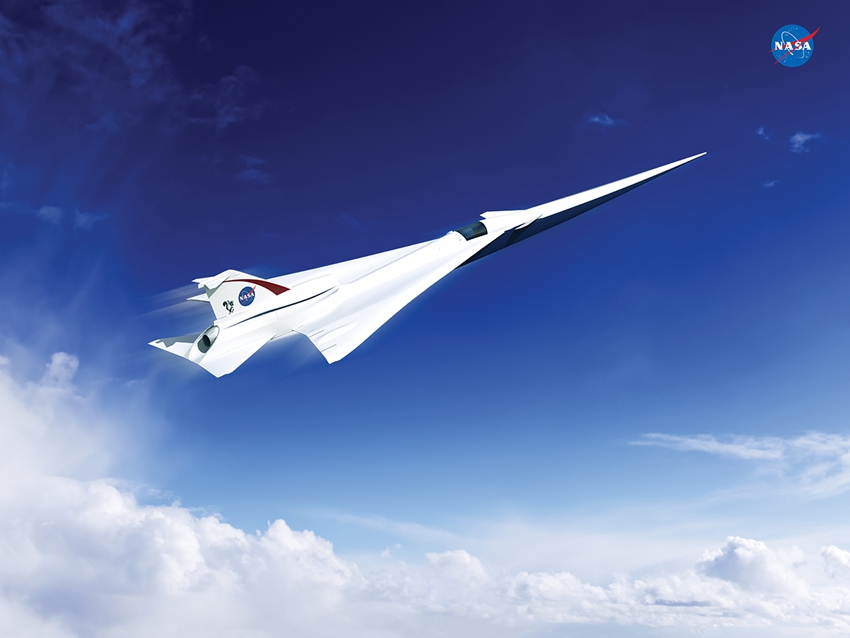 圖為低音爆飛行演示中的靜音超音速運輸(QueSST)X-plane機型一種可能的設計方案。贏得超音速飛機的初步設計合同,僅僅是超音速客機回歸的第一步,不過即使超音速飛機真的能夠回歸,回歸后的機型也將更安靜,成本也將更低。(洛克希德·馬丁)
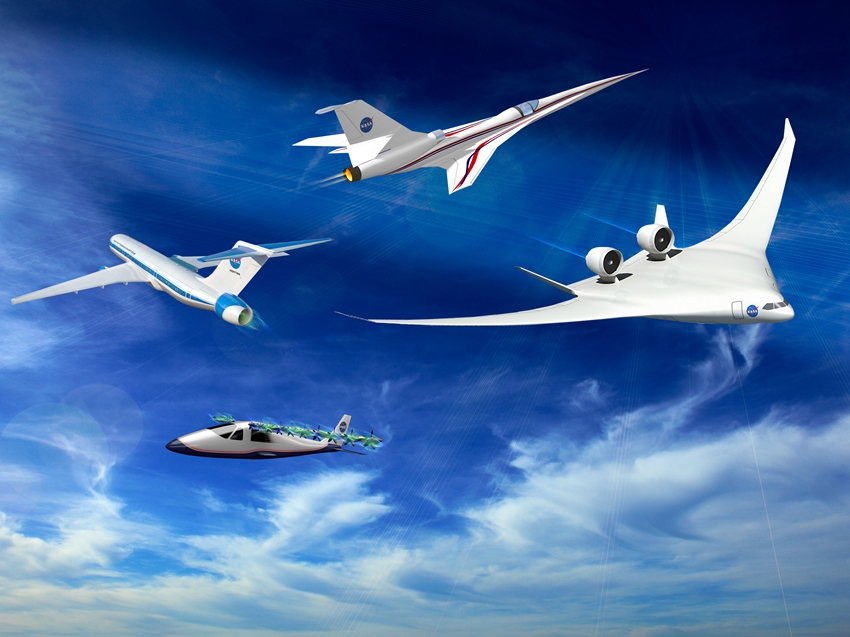 項目預算的要求是打造一系列X-plane,飛機必須使用清潔能源,并做到油耗減半、噪聲減半。此外,打造世界上第一款“安靜”的超音速X-plane也在該項目的預算要求之內。(美國宇航局/Lillian Gipson)
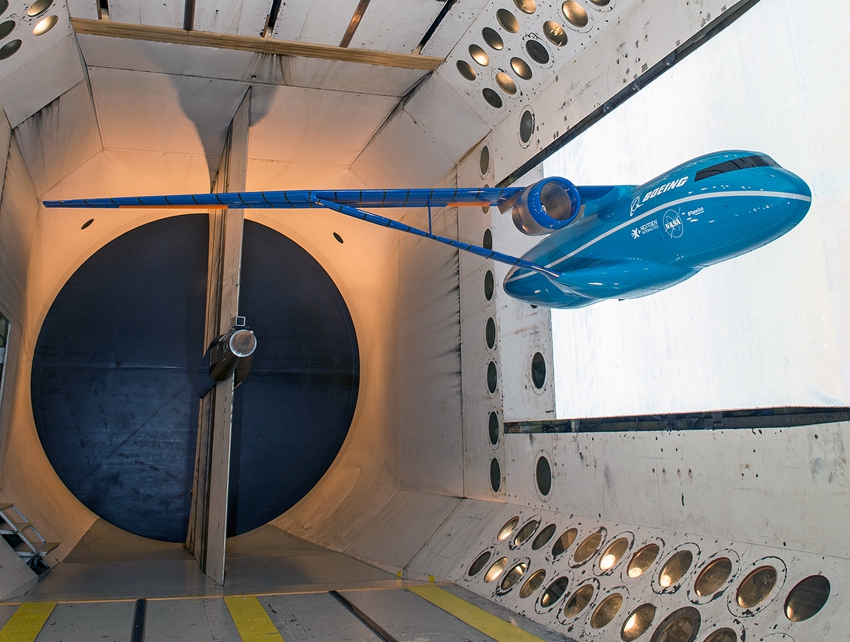 這種桁架支撐(truss-braced)機翼概念,可能屬于另一款亞音速X-plane。風洞測試顯示,與高級的傳統機翼相比,這種新型機翼概念能將飛機的油耗降低5%到10%。(美國宇航局蘭利研究中心/Sandie Gibbs)