福特公司正在研發一種基于攝像頭的高級照明系統,該技術可在車輛行駛到岔路和環島的時候,自動拓寬近光燈的光束。同時,福特還在研發由紅外線圖像激發的定向照明技術,可照亮道路前方的行人和大型動物。此外,福特還將研發一種與GPS相連的智能照明系統。
“我們相信,福特新系統的優勢將超越市場上的任何產品,” Michael Koherr表示,他是位于德國亞琛的福特歐洲研發創新中心的一名照明系統工程師。
福特汽車正在考慮組建一個“創意庫”,為將來建設高性價比的生產系統收集創新的想法。
實現這一價值,需要使用公司現有的照明系統,但必須輔以優化的軟件。Koherr解釋道:“我們已經有用于車道保持、行人偵測和路標識別的前視攝像頭了。現在我們正在為攝像頭設計一種特殊的算法。這樣終端用戶所必須支付的成本就相對較低了,因為我們主要研發的是作動器軟件。”
“在環島地帶,我們的光束擴展系統可以讓駕駛員看清出口,以防撞上過馬路的自行車和行人,”他補充道。
紅外線定向照明系統還處于前期研發階段,前格柵中安裝的一個攝像頭可以同時偵測多達8個潛在威脅(包括人和大型動物),偵測距離最大可達120米。
接著,聚光燈可以照亮2個威脅目標,用霧燈旁邊的兩盞LED燈在地上投射出一塊光斑和一條光帶。這些被照亮的物體將會同時顯示在車載資訊系統的屏幕上,并根據其遠近和危險程度用紅色或黃色的框標出。
與GPS相連的攝像系統同樣處于研發階段。該系統擁有學習功能,這意味著車輛先前駕駛過的線路信息可以輸入系統,累積成一個知識庫。當車輛第二次通過這條線路的時候,根據預測到的道路彎曲與陡坡等特征,車輛的照明系統將啟動最佳的照明強度與相關功能。“駕駛員通過某條道路的次數越多,數據也會變得越精確。” Koherr補充道。
福特已經開始使用這一高級照明系統,并且還將在此基礎上添加新功能,其中包括動態LED前大燈。這是一種將完整的LED系統與適應性前大燈結合起來的技術。它可以根據駕駛環境調整前大燈的光束角度與強度。它也可以根據車速、環境光照條件、轉向角度、前方距離與擋風玻璃雨刮器的活動等信息選擇照明方案,共有7種設定可以選擇。
福特汽車還為適應性LED燈研發了無眩光高光束技術。該技術可以在檢測到迎面而來的車輛,而后通過有效調節近光燈亮度,以避免強光影響對方司機視線,但在除此以外的其他情況下可以保持最大限度的照明。
福特為非適應性LED燈研發的“自動高光束控制技術”則可以在檢測到迎面而來的車輛后,自動轉換至較暗的光束。
作者:Stuart Birch
來源:SAE 《汽車工程雜志》
Ford researches 'intelligent' lighting systems
Ford is developing a camera-based advanced technology lighting system that can automatically widen dipped beams at road junctions and roundabouts. The company is also researching infrared image triggered spotlighting to illuminate pedestrians and large animals in the road ahead. An intelligent GPS linked system is on Ford’s illuminating research technology list, too.
“We believe our new systems will offer more than others on the market,” said Michael Koherr, Lighting Systems Engineer at Ford of Europe’s Research and Innovation Center at Aachen, Germany.
Ford is currently considering what he terms “a pool of ideas” that could lead to possible value-for-money production systems.
Achieving that value will be partly via the use of the company’s existing off-the-shelf lighting systems but with enhanced software capability. Explained Koherr: “We already have forward-view cameras for lane keeping, pedestrian detection, and traffic sign recognition. Now we are developing a special algorithm for the camera system. The cost to the end user will be relatively low because the main area of development is the actuator software.
“At roundabouts, our beam widening system helps the driver to clearly see the exits and check if cyclists and pedestrians are crossing the road,” he added.
The spotlighting IR system, which is now in pre-development phase, uses a camera positioned in the front grille of the car that can simultaneously track up to eight potential hazards (people and/or large animals) at a maximum range of up 120 m (395 ft).
The spotlight can then illuminate two hazards, placing a spot and a stripe on the road surface, illuminated by two LED lamps positioned adjacent to the car’s fog lights. These highlighted objects are simultaneously displayed on the car’s infotainment screen, marked (according to proximity and perceived danger) in a red or yellow frame.
The GPS linked camera system, now being researched, has a learning capability. Information about previously driven routes builds up a stored knowledge base. When a route is driven more than once, the car’s lighting system can anticipate bends and specific features such as sudden dips, to activate optimum lighting levels and functions. “The more a driver travels a particular road, the more accurate the data becomes,” added Koherr.
The advanced lighting systems already used by Ford, and on which the new capabilities will be based, include dynamic LED headlights, which combine full LED systems via adaptive front lighting. This adjusts the headlight beam angle and intensity to match the driving environment. The system can choose one of seven settings dependent on vehicle speed, ambient lighting conditions, steering angle, distance to the vehicle ahead, and windshield wiper activation.
Ford also offers glare-free high beam technology for the adaptive LED lights, which detects vehicles ahead and reduces light (effectively dipping) that could dazzle oncoming drivers, but provide maximum illumination outside that sector.
Ford’s Auto High Beam Control for non-adaptive LED lights detects oncoming vehicles and automatically switches to dipped beam.
Author: Stuart Birch
Source: SAE Automotive Engineering Magazine
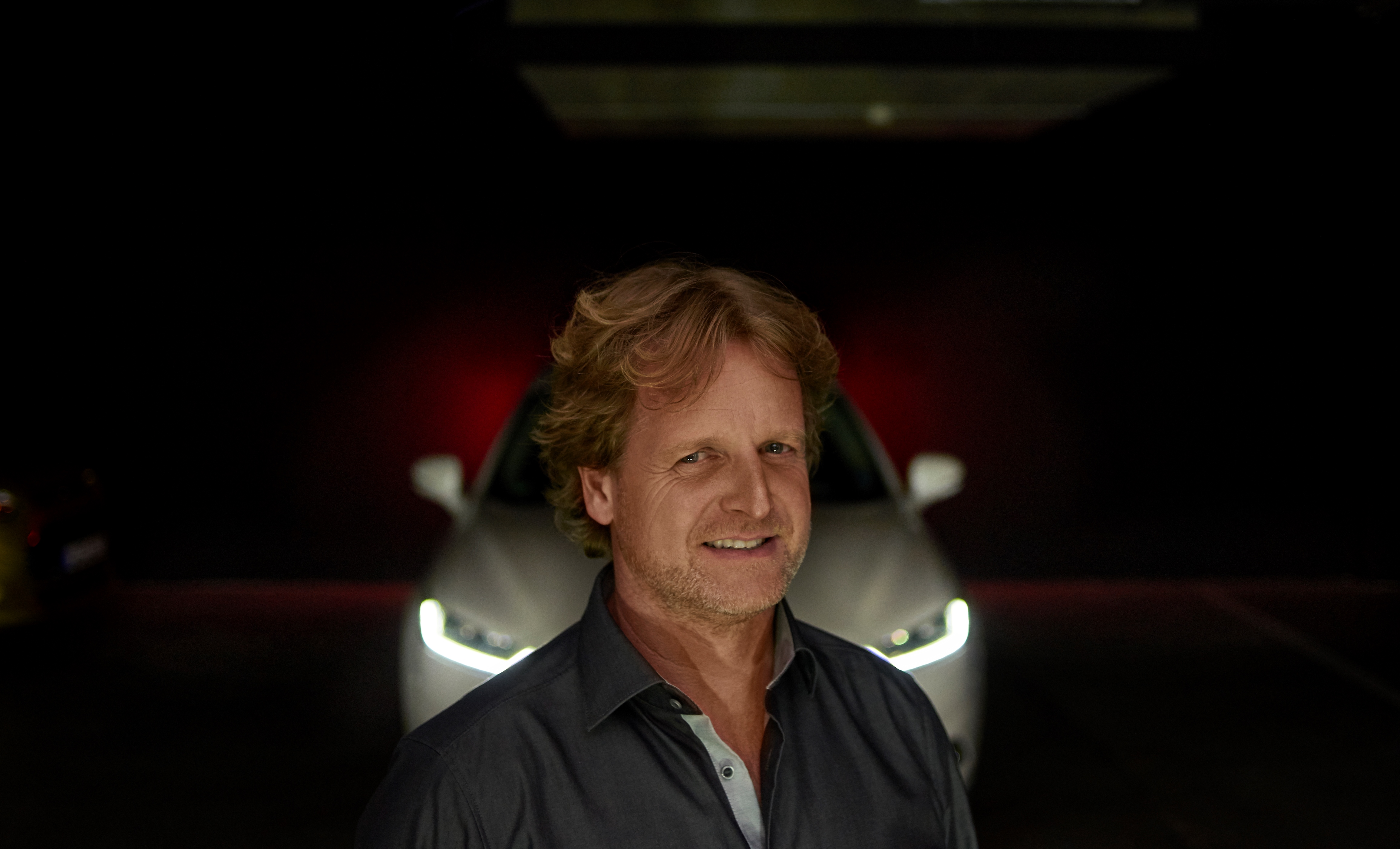 福特照明系統的工程師Michael Koherr表示,他們正在考慮組建一個“創意庫”,用于研發高性價比的高級照明技術。
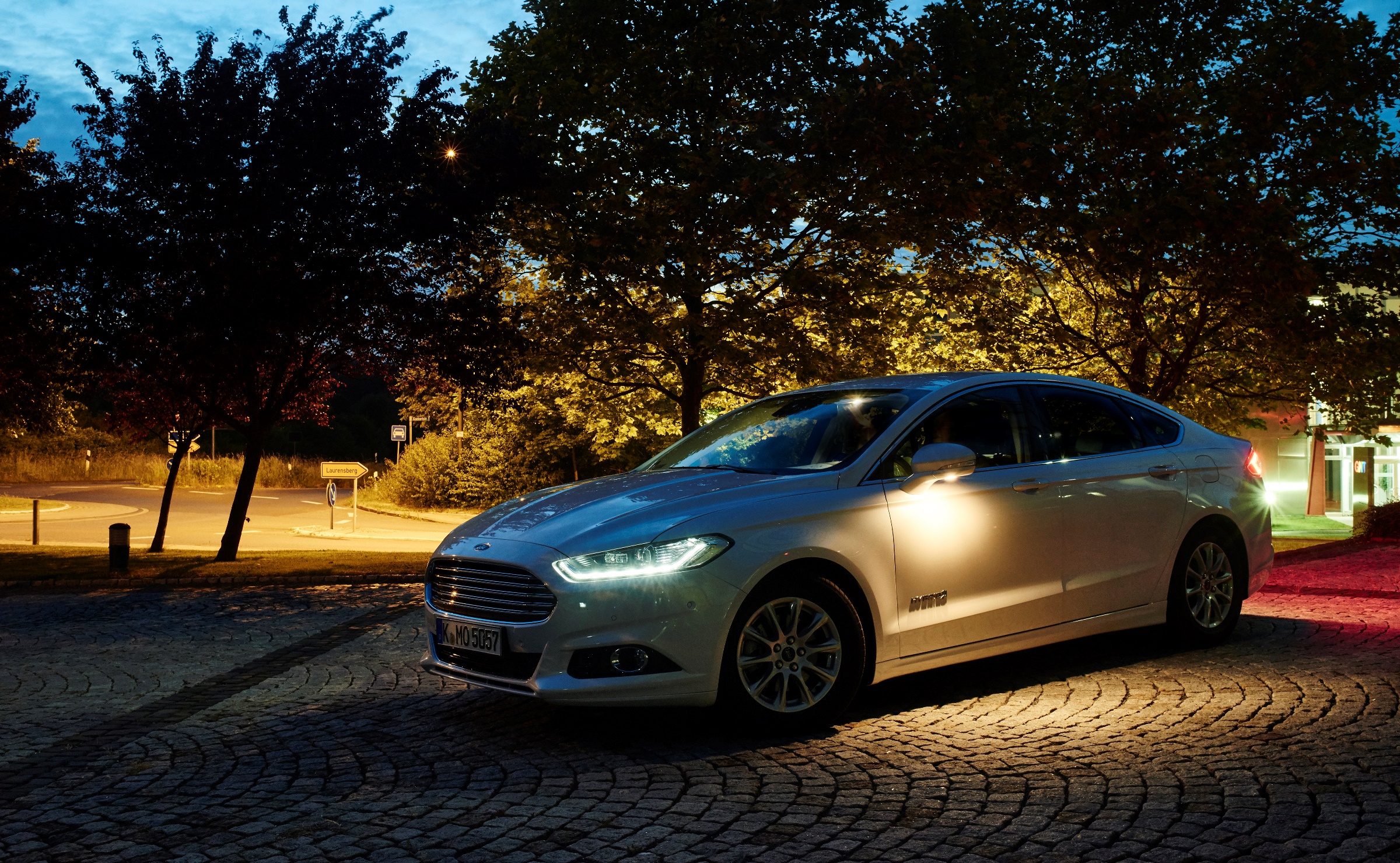 未來照明系統的研發,將成為位于德國亞琛的福特歐洲研發創新中心的重頭戲。